Why the Leica 28mm Summicron? | Thumbprints & Signatures feat. Paulie B & Mark A. Portillo
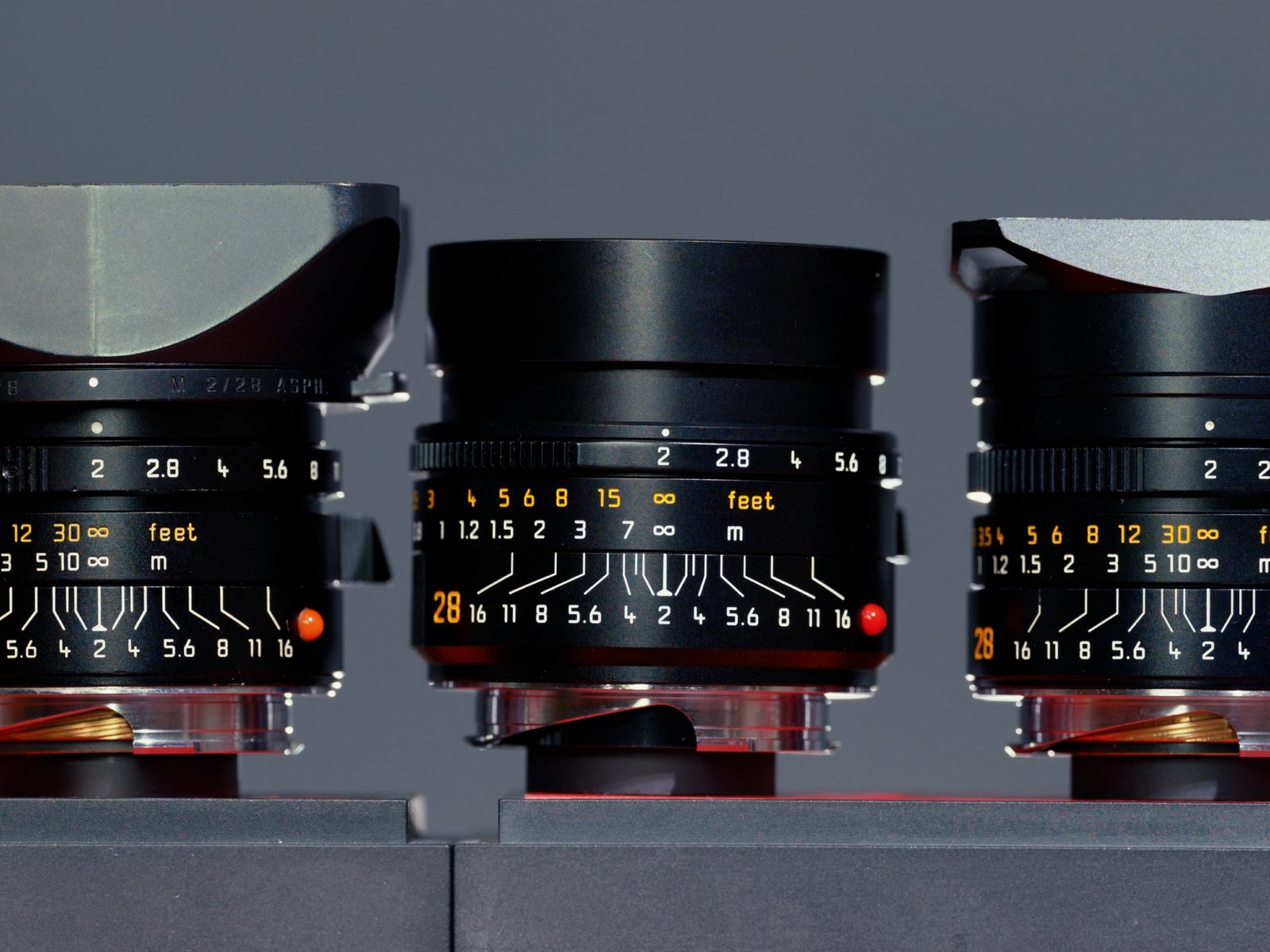
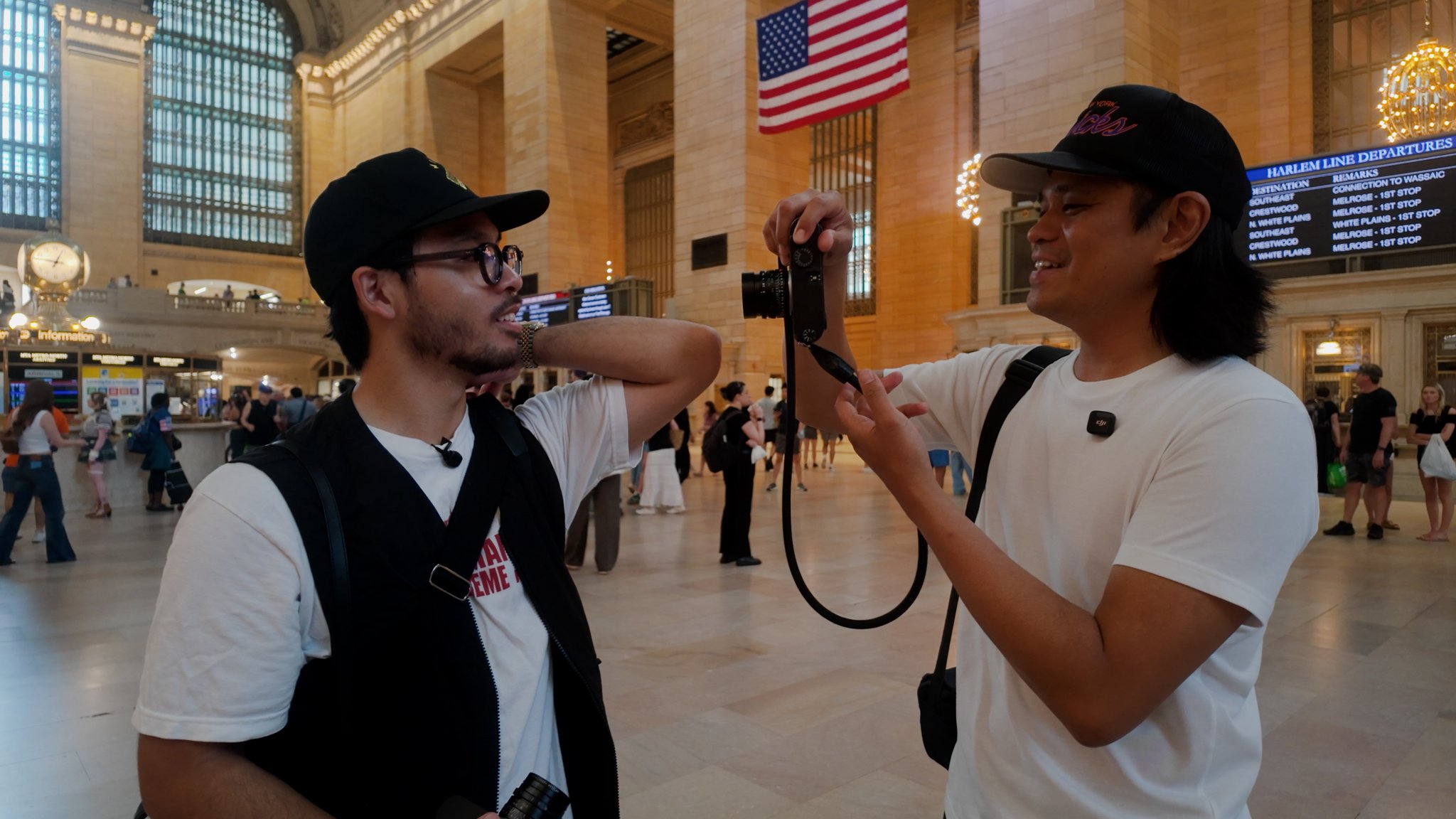
In this episode we’re in NYC! I walk around Midtown using all 3 versions of the Leica 28mm f2 Summicron-M ASPH, and get some insight from our special guests and 28 Summicron users: Paul Baldonado and Mark A. Portillo.
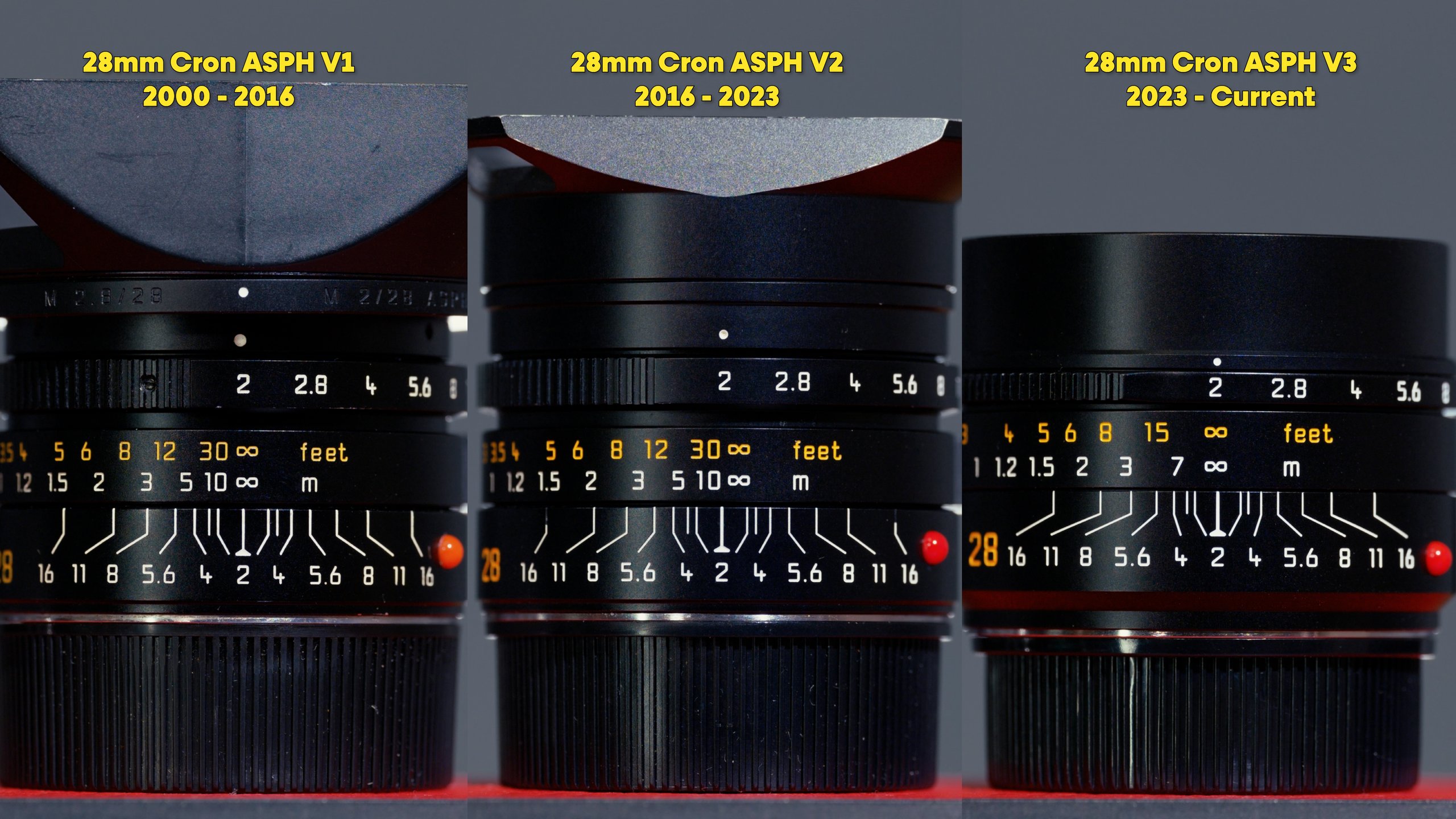
The Leica 28mm f2 Summicron-M ASPH was first introduced in the year 2000, designers combined elements from the 28mm f2.8 Elmarit-M v4 and the first iteration of the 35mm f1.4 Summilux-M ASPH. This was a surprising feat to retain the relative size of the 28 Elmarit v4 and introduce a full stop of light transmission. Wide open, This lens has a fairly smooth progression from what is in focus to the out of focus areas. Not quite as dramatic as the 28 Summilux but still gives a sense of depth in photos. Stopped down, this lens is exceptionally sharp and performs as a modern Leica lens would.
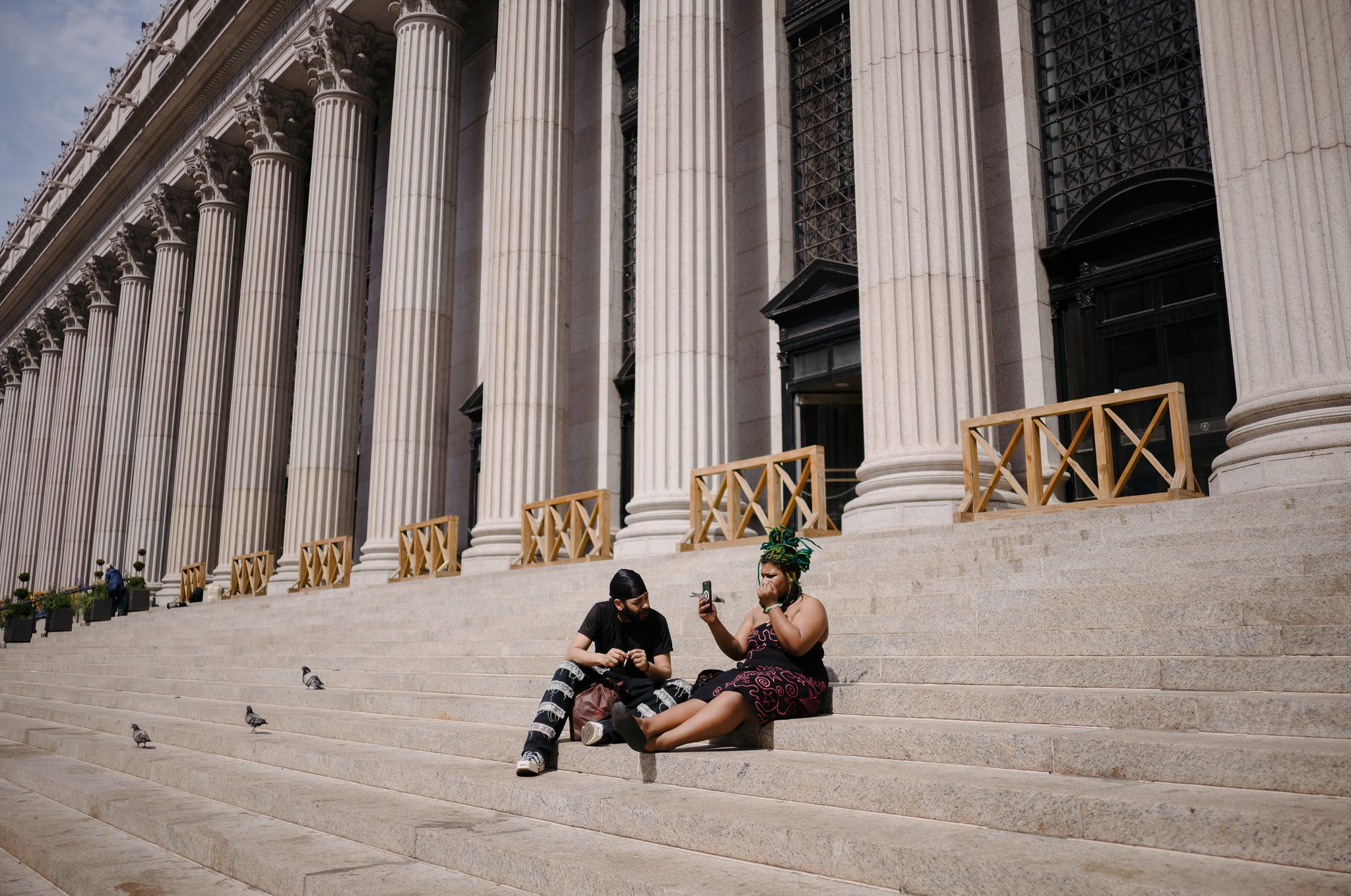
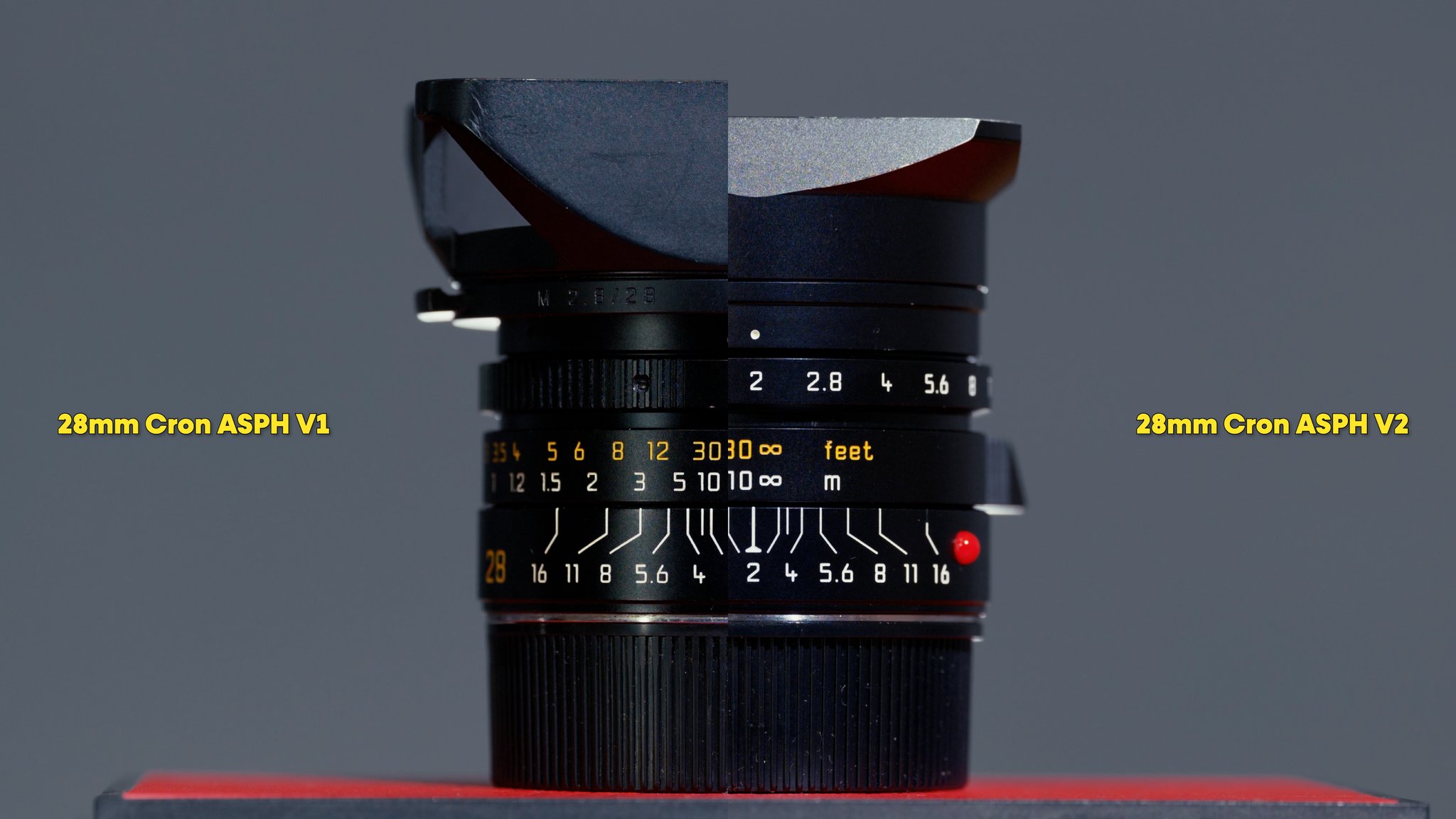
In 2016, the V2 introduced the screw-on metal shade which replaced the clip-on plastic shade from its predecessor and was updated and optimised to perform well on higher resolution sensors. It is also worth noting that the few special edition V2 28 Summicrons sported an integrated metal shade reducing the amount of viewfinder coverage.
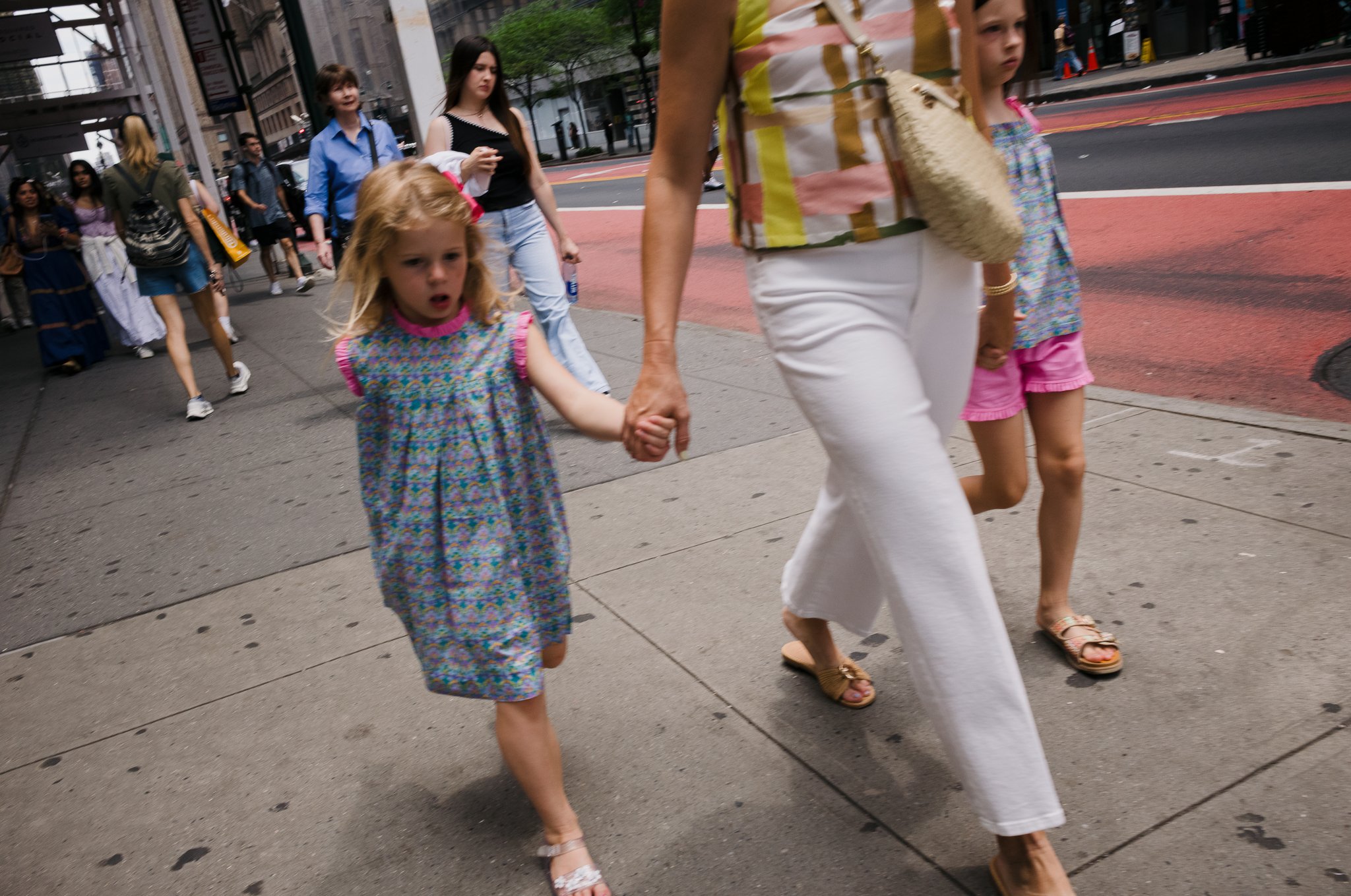
The V1 yields a “classic” rendering as opposed to the “clinical” rendering of the V2. Both the V1 and V2 iterations are beloved by many street photographers, travel & landscape photographers, as well as photojournalists.
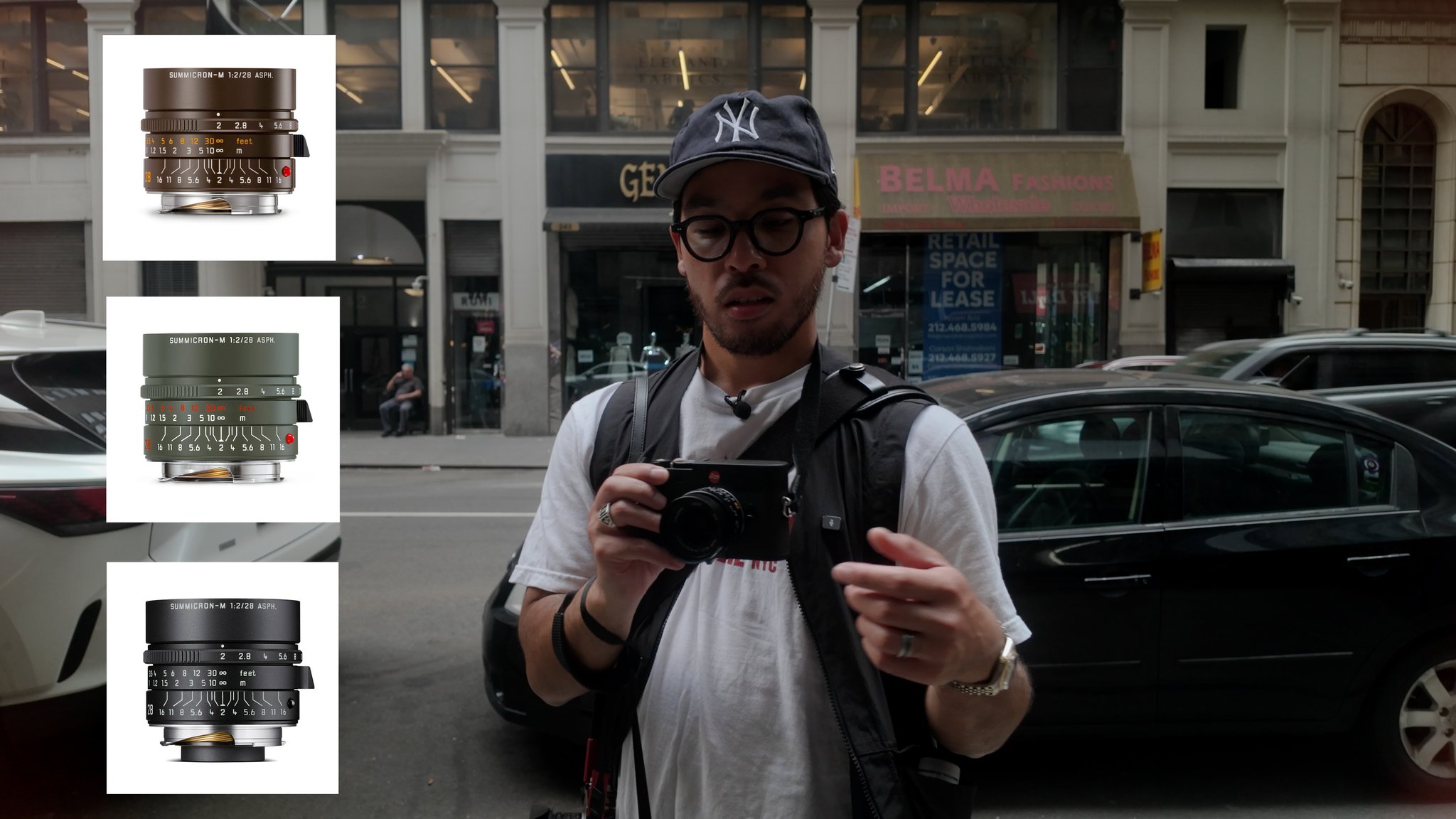
Fast Forward to late 2023 and Leica released the 3rd iteration of this legendary lens now featuring a closer minimum focusing distance and integrated lens shade, similar to the prior special editions.
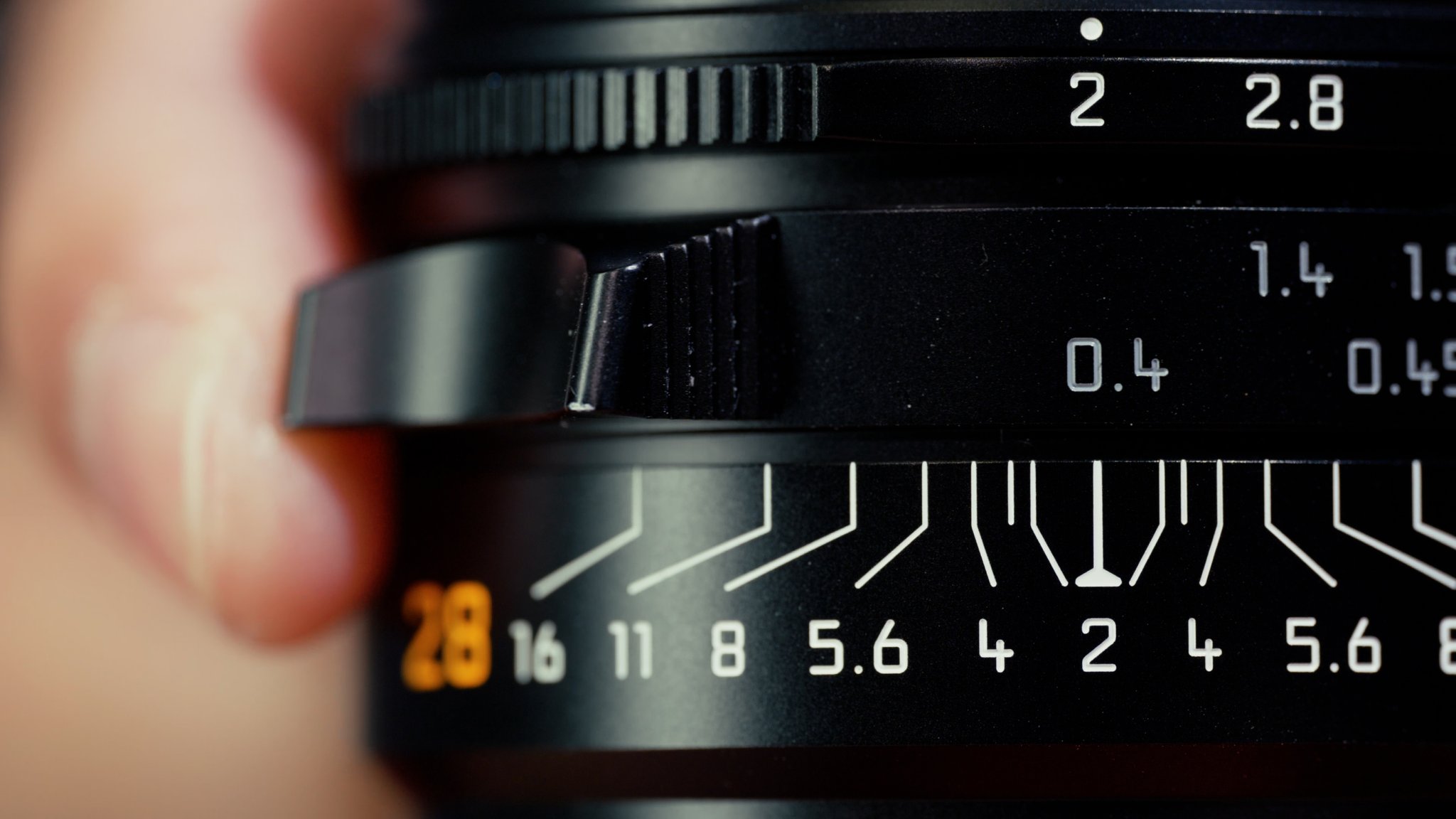
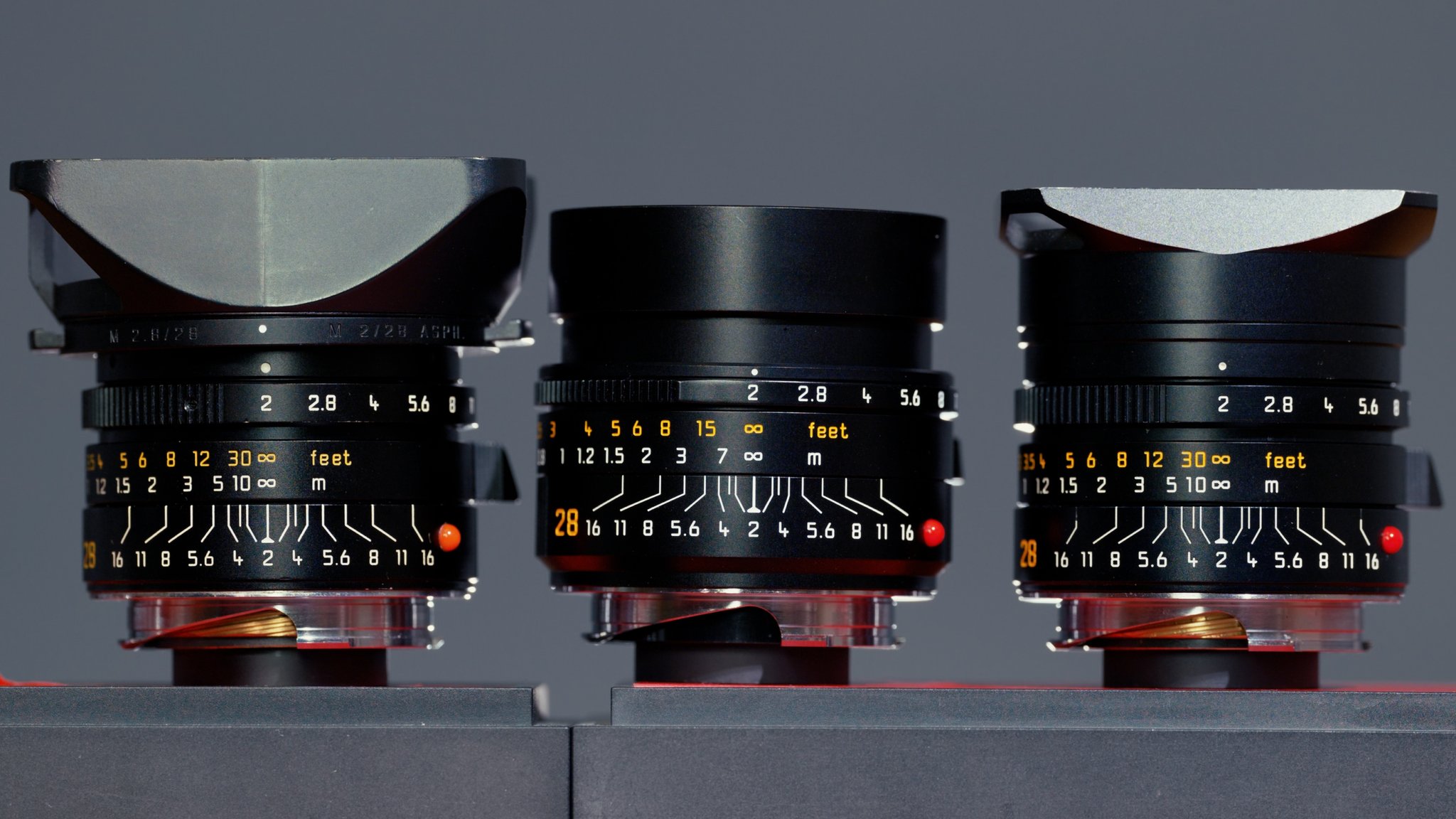
With the addition of the closer focus, the 28 Summicron-M ASPH V3 unlocks new possibilities. This feature is mostly beneficial for digital M or SL users as the rangefinder does not couple past 0.7m. However, the hyperfocal scale can still be used to zone focus at closer distances. I think that’s what’s missing from the previous two versions of the 28 Cron. You can’t get as close. Typically, 0.7m is about an arm’s length away. That’s a pretty wide distance from the lens to your subject depending on what’s going on. It’s easier to zone focus when the lens is stopped down to f11 or f16 vs wide open at f2 but not impossible.
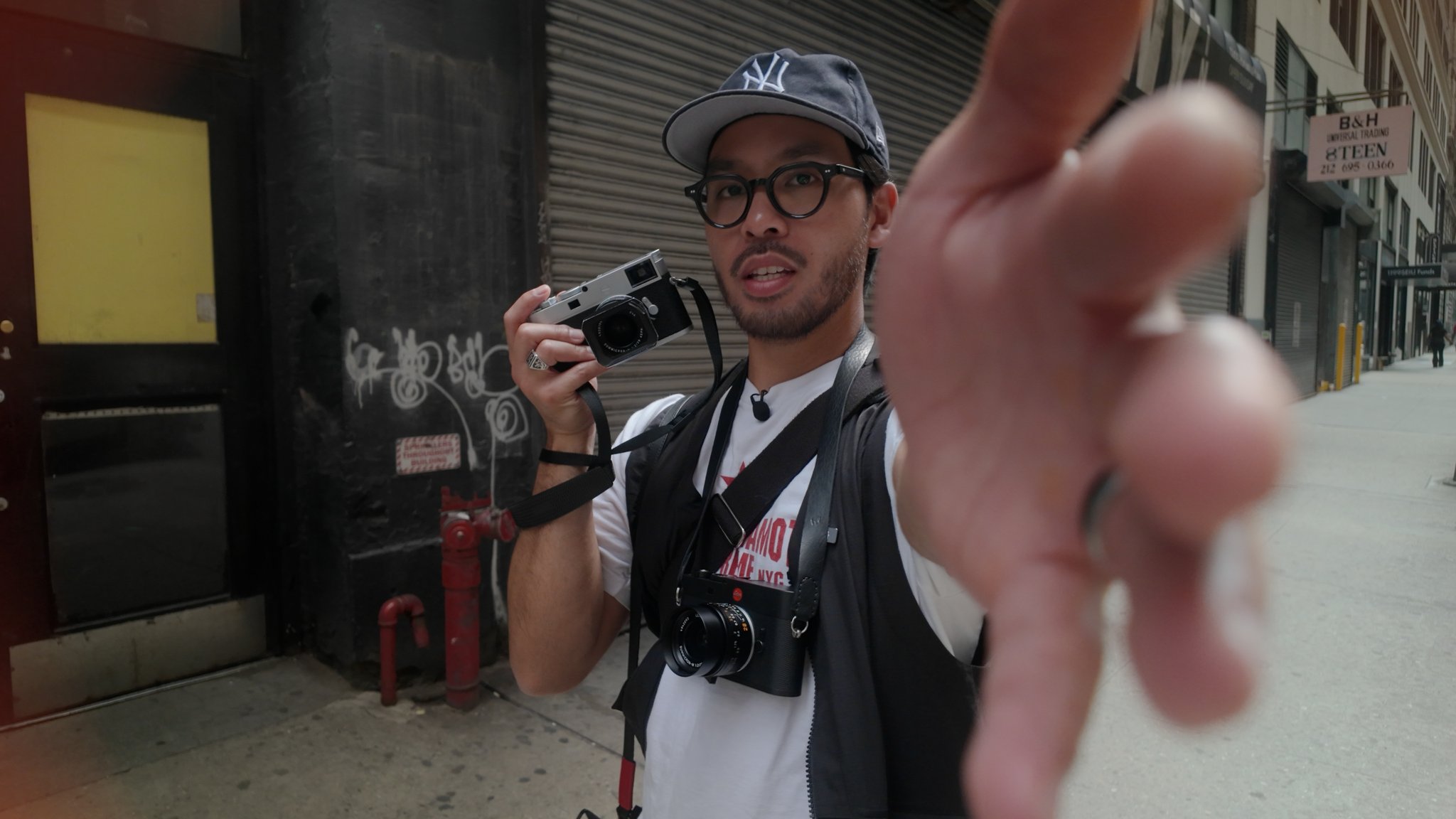
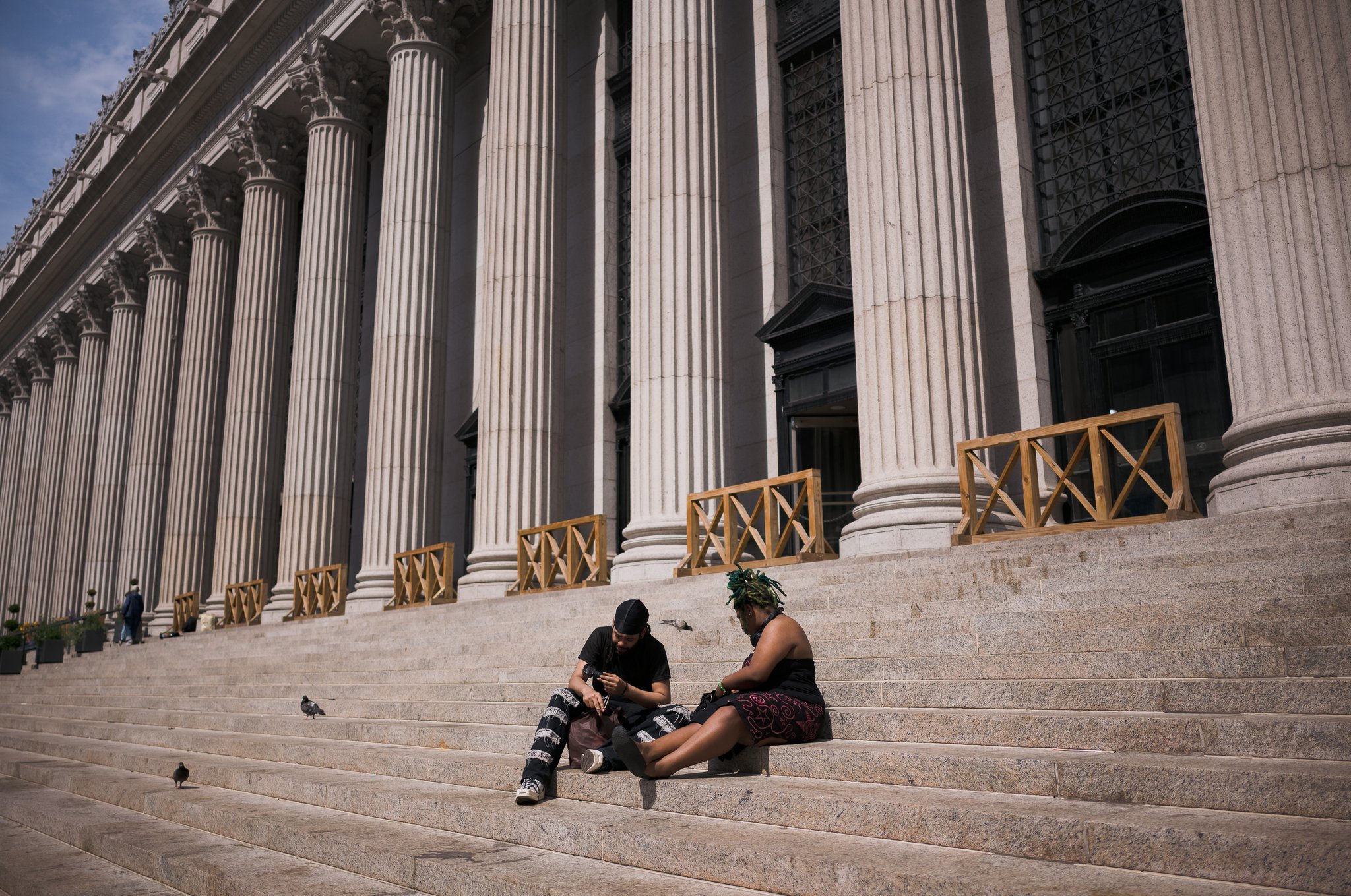
Paul Baldonado on his Leica 28mm f2 Summicron-M ASPH II
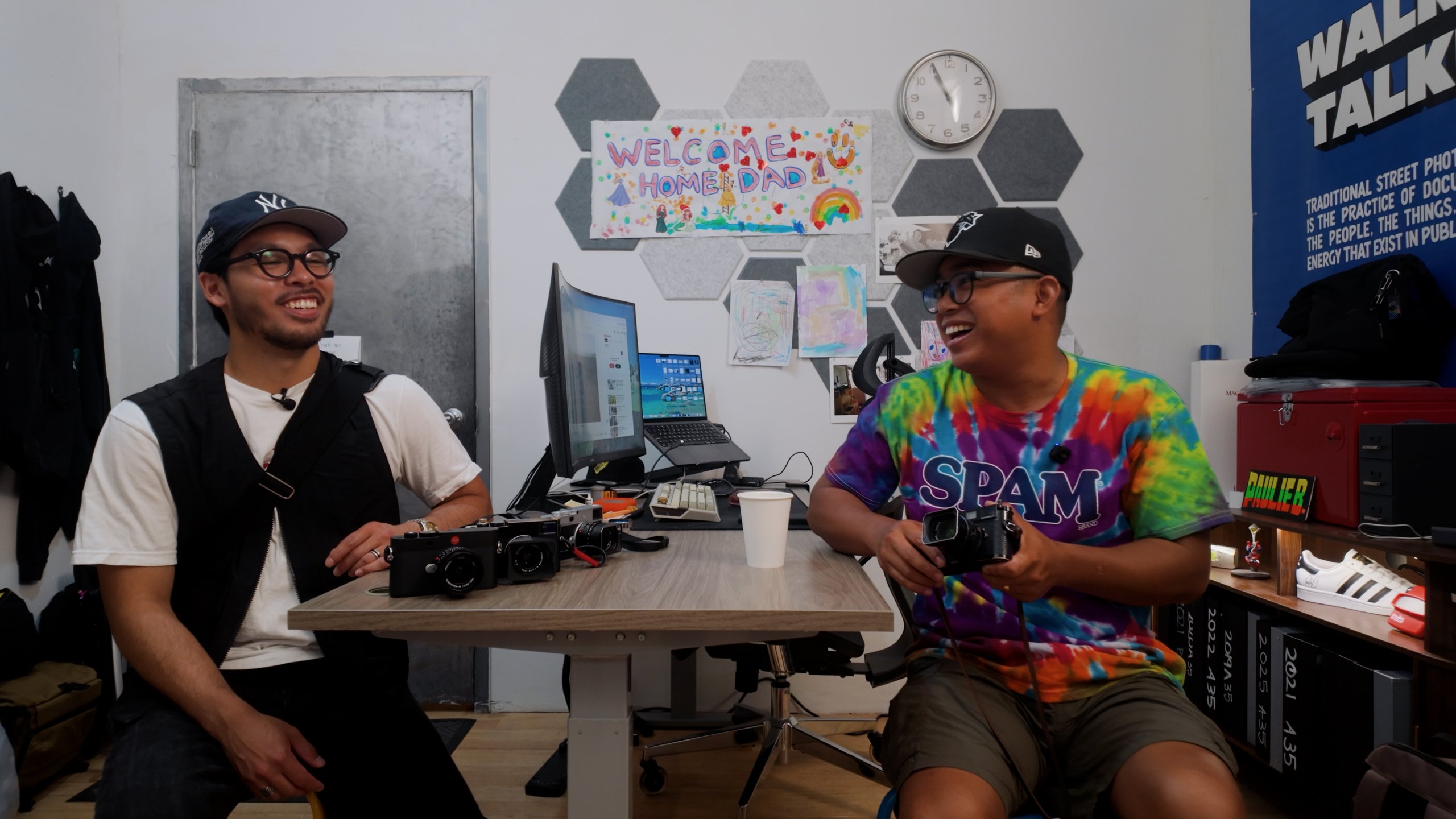
Why did you choose this lens?
I chose the 28 Summicron because I’m coming from digital when I was shooting a 24mm. And when you when you go to film, I feel like 28 is more standard than 24. So 28 was the closest I can get to 24. So that’s why I start shooting with it.
I’m not a technical person, so I don’t really know much about lens specs. I got this lens because it was a great deal from my friend when I was shooting with another brand lens that was much cheaper than this. I like the focus tab because after using it for so long, I just know where people are. I know you’re like three and a half feet, five feet, and like eight feet away. So I know where to position my hand without even like looking at the actual scale on it. I know it. It’s like muscle memory. If somebody is walking towards me I just know like where to go, I just snap to it, you know? It’s just like autofocus at this point, with this lens.
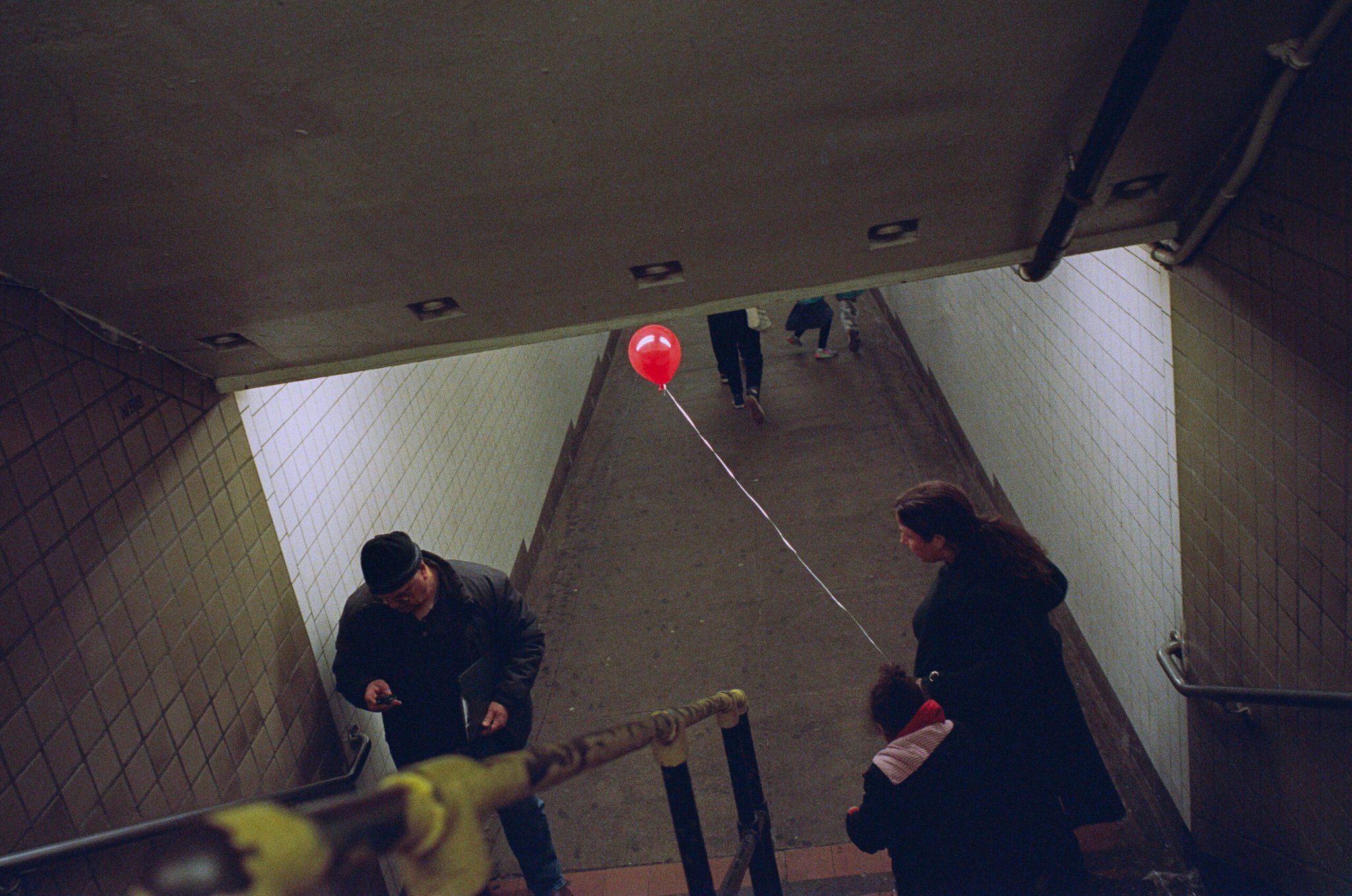
Would you say you’re faster than autofocus?
I would say I’m faster than autofocus. Sometimes I use autofocus cameras and it irritates the heck out of me just because I’m like “focus… FOCUS!” haha. And if i miss focus with my 28 Summicron, its on me not on the camera. So I don’t feel like breaking the camera… I feel like breaking me hahaha.
Before you got the 28mm Summicron, you said you’re shooting with a 24mm. Were there any photo inspirations that made you fall more in love with the focal length, or do you seek that type of photography?
Yeah, I feel like photography that I resonate with the most is shot at a wider focal length, probably a 28, because that was like really standard back in the day. I like photos from pre 1980, I feel like 28 was a very standard wide. If you wanted to go wider, 24 was like harder to come by. Yeah. So like a lot of the work that I look at from those days is usually 28 like Gary Winogrand, you know, the cliche example. All the airport, street, and most of this work is with the 28. You could fit a lot into the frame. When you take a photo, it feels like you’re there. I think that’s the best thing about the 28 specifically. When you take photos, you have to put yourself there and you have to participate, right? You’re participating in it, whether that you’re trying to be ignored. You’re still participating because you’re right here, like right next to you. So do you feel that in the photo. Whereas, if I’m shooting with like a 300mm, you could feel that distance. For example, you can feel like I’m on shooting from the sidelines of a football field versus like you’re in the action. If I’m covering you and you’re a receiver and I’m right next to you, you can you can feel that. I’m right next to you trying to cover you versus from the stands. Wider focal lengths like the 28mm, whether it’s on the street or a birthday party with your family, if it feels like you’re there.
Speaking of closer, I have the newer version here [28 Cron ASPH III]. How would you feel if you could focus closer?
It would be great if the range finder patch could focus closer. I feel like because I shoot film, the new one doesn’t really fit my style. There are a lot of photos where I’m like, “Oh, man, I wish I can get closer. I wish I could get macro.” Yesterday I was shooting at a carnival and this kid was in the light with a goldfish just looking at it and I thought, “Oh man, I’m not close enough to get a good photo.” It’ll be okay, but if I was closer, it would have been better. I wasn’t able to do that, so I had to pull out a different camera haha. This one doesn’t do the job so I had to use a different one. That’s one of the faults of using or any rangefinder.

Mark A. Portillo on his Leica 28mm f2 Summicron ASPH
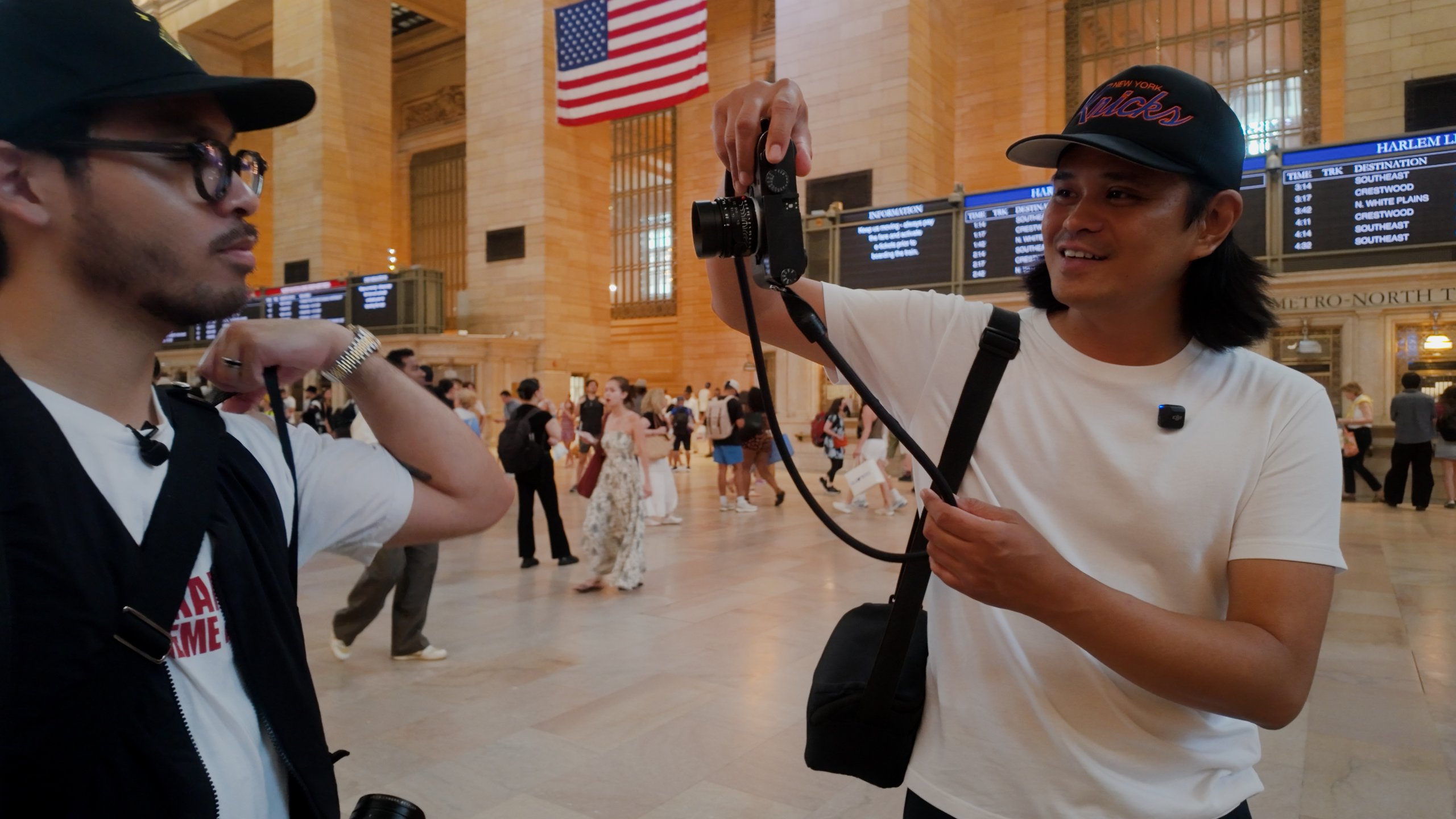
Why did you choose this lens?
I used to have the 28 Elmarit before this, and I just wanted the extra stop of light after using it after year. So just for the extra stop, you know, I like the focal length. It’s like in between 35mm and 24mm, which I also use. So I swing between the three and it’s right in the middle. So if I can’t really decide, it’s sort of the perfect blend of 35 and 24. It’s not as fast as my 35 Summilux, not as slow as my 24 Elmar. And, it covers sort of everything if I just want one lens.
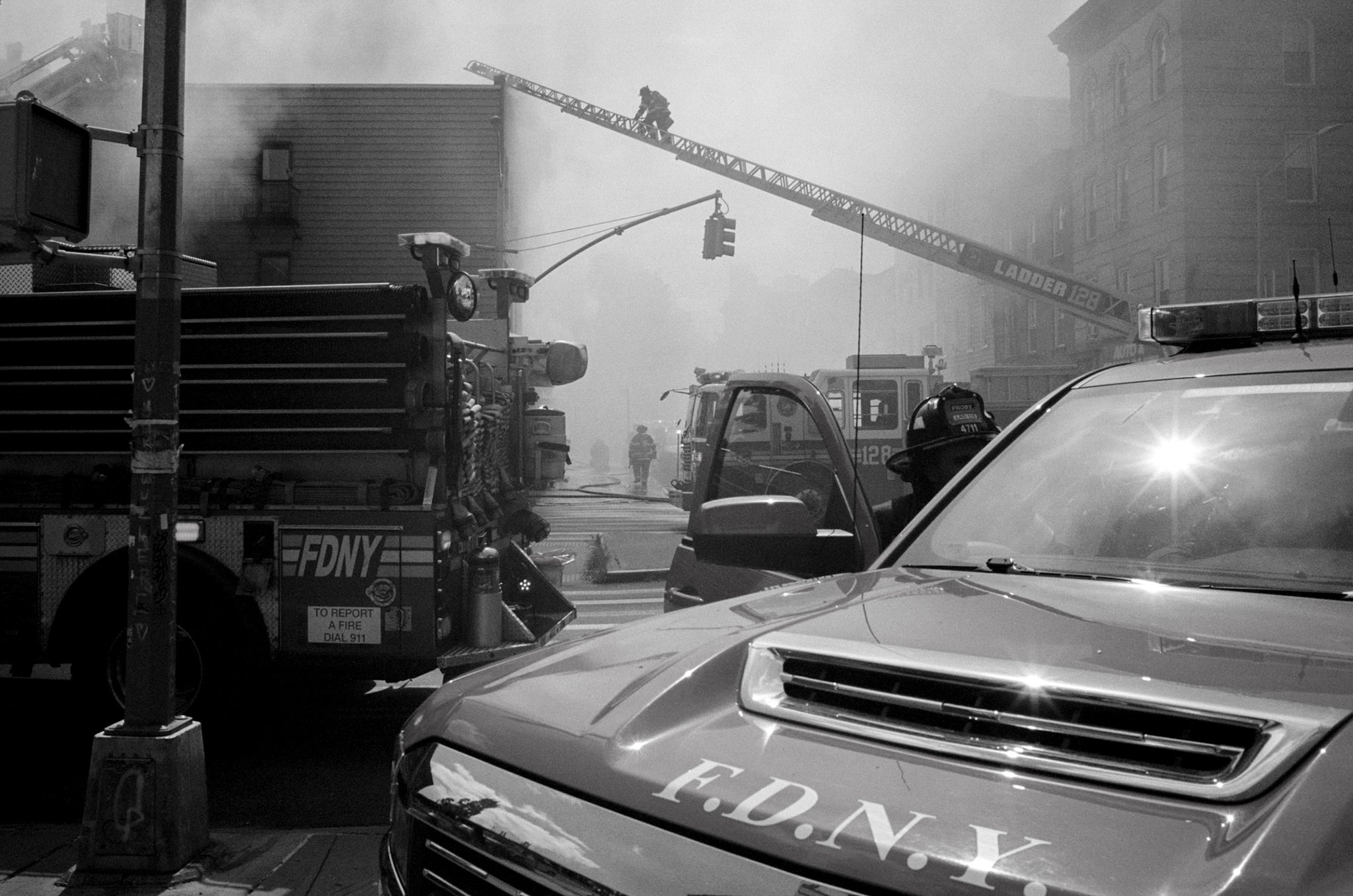
Are there any, like, wide angle photographers that come to mind that you envision when you’re using your lenses?
I guess I’ll go with Gary [Winogrand]. You know, Gary, the 28, he’s he’s that guy. But, I like to use multiple lenses. Usually I have another lens in my bag. Sometimes I come out with three. I’ll also say Danny Lyon because he, he uses multiple lenses. You know, he’s more of a I think he’s a 65mm, 35mm kind of guy. But I like that he, he’s not stuck with one. You know, there’s he has, options when it comes to documenting things because sometimes one lens is not enough I think.
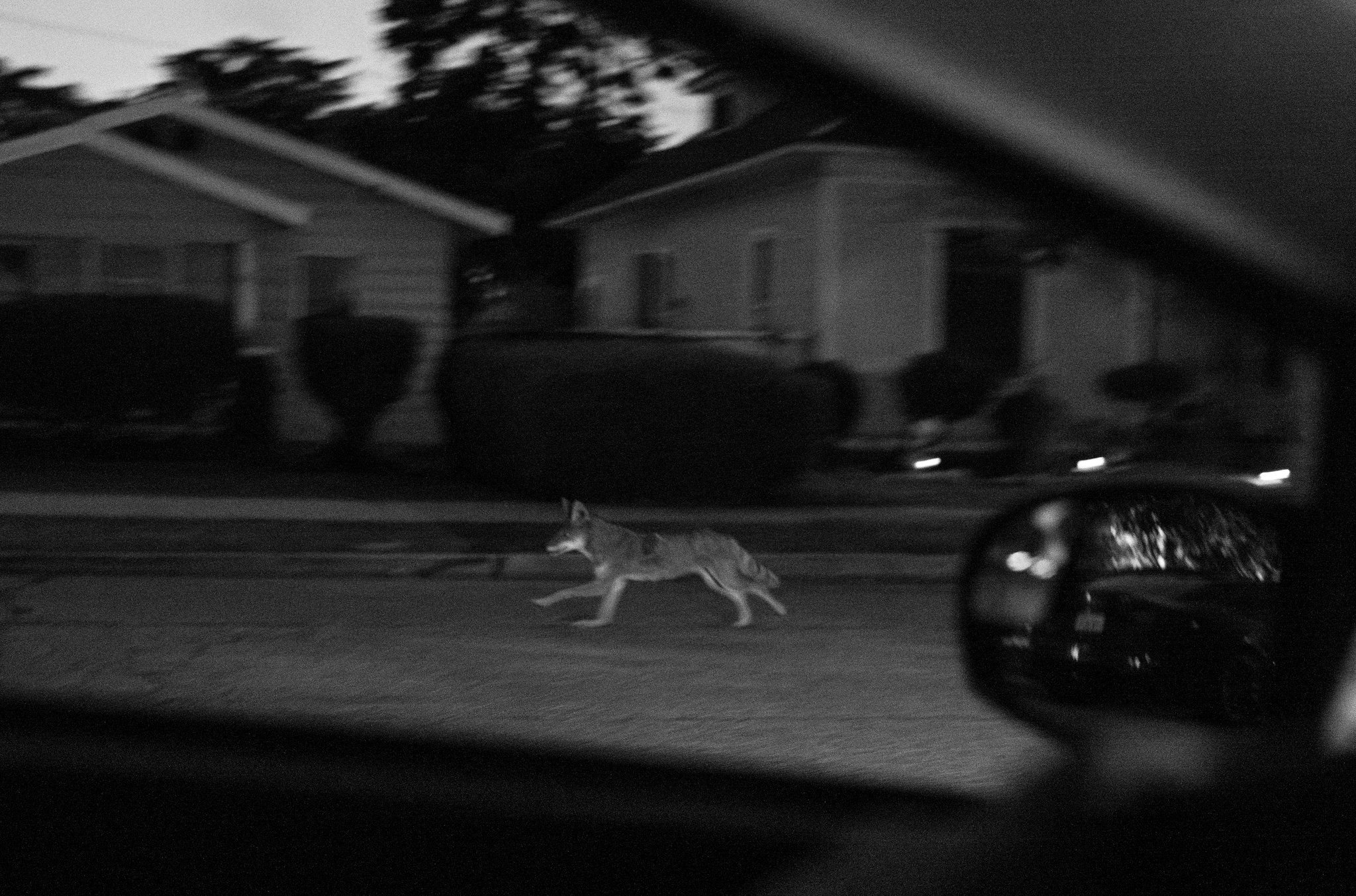
So what do you think about the close focus?
I would use it for sure. Especially, you know, I’m digital. I like that little click notch thing. You can tell where the focus is at.
Paul called it a speed bump.
Haha that’s good. Wow. It’s so close. I wish I had that. I kind of dig this too. It’s almost like there’s only two places to hold the aperture. Like it’s more pronounced, or you know where it is.
Any final thoughts after trying out the newer 28 Summicron versus your old one?
Can’t complain, I like it. I would make use of it if I had it. I had a good time trying it out. You know, you always wonder how they work. Definitely a learning curve. I’ve been just practicing going under 0.7m zone focusing. It’s really tough. So I think, it’ll take time to use the close focus with zone focusing. But it’s a lot of fun. It’s like what I like about new gear. You know, you get to play around with it, see how it can work for you. You just see this stuff online, but it’s good to have a moment with it. You really need time to understand and figure out if it can work for you. It was it was nice. Thanks for letting me try it.

After using each version of the 28mm Summicron, I haven’t seen such a noticeable difference between the different versions, and that should be rightfully so. Ever since they created the first version, there hasn’t been that many optical changes. Other than adding more aperture blades to the newest one and just redesigning it a bit so that way you could focus past 0.7m. So no matter which version you’re shooting with, you can kind of assume that you’re going to get the same quality, which is consistency.
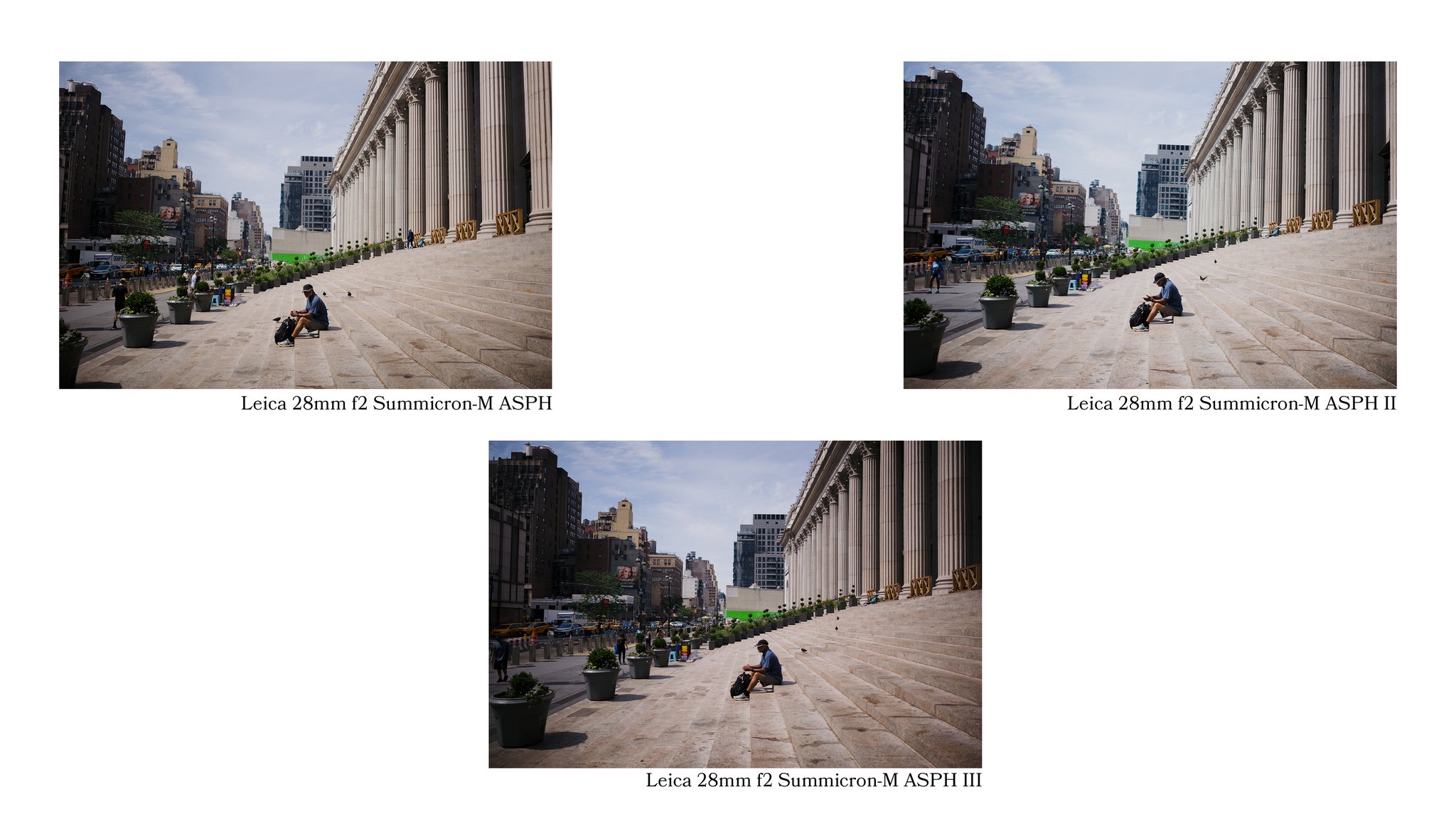
And that’s all you can hope for, right? If you have multiple cameras with (almost) the same lens, you would hope you’re getting the same image, especially if you’re shooting wide open, stopped down, and all the different scenarios. And much like what Paul said, I found myself kind of gravitating towards the closer focus one only using the M EV1, if this option is available for me, I’m going to use it. If it’s not, then I might as well just go for the option that can do the job or get as close to doing the job.
Thank you again to our friends Paul and Mark for participating with todays video. Please visit their respective websites and social channels to see more of their work.