Leica 35mm f/1.2 Noctilux-M ASPH: A NEW Frontier for Leica optics… | Thumbprints & Signatures
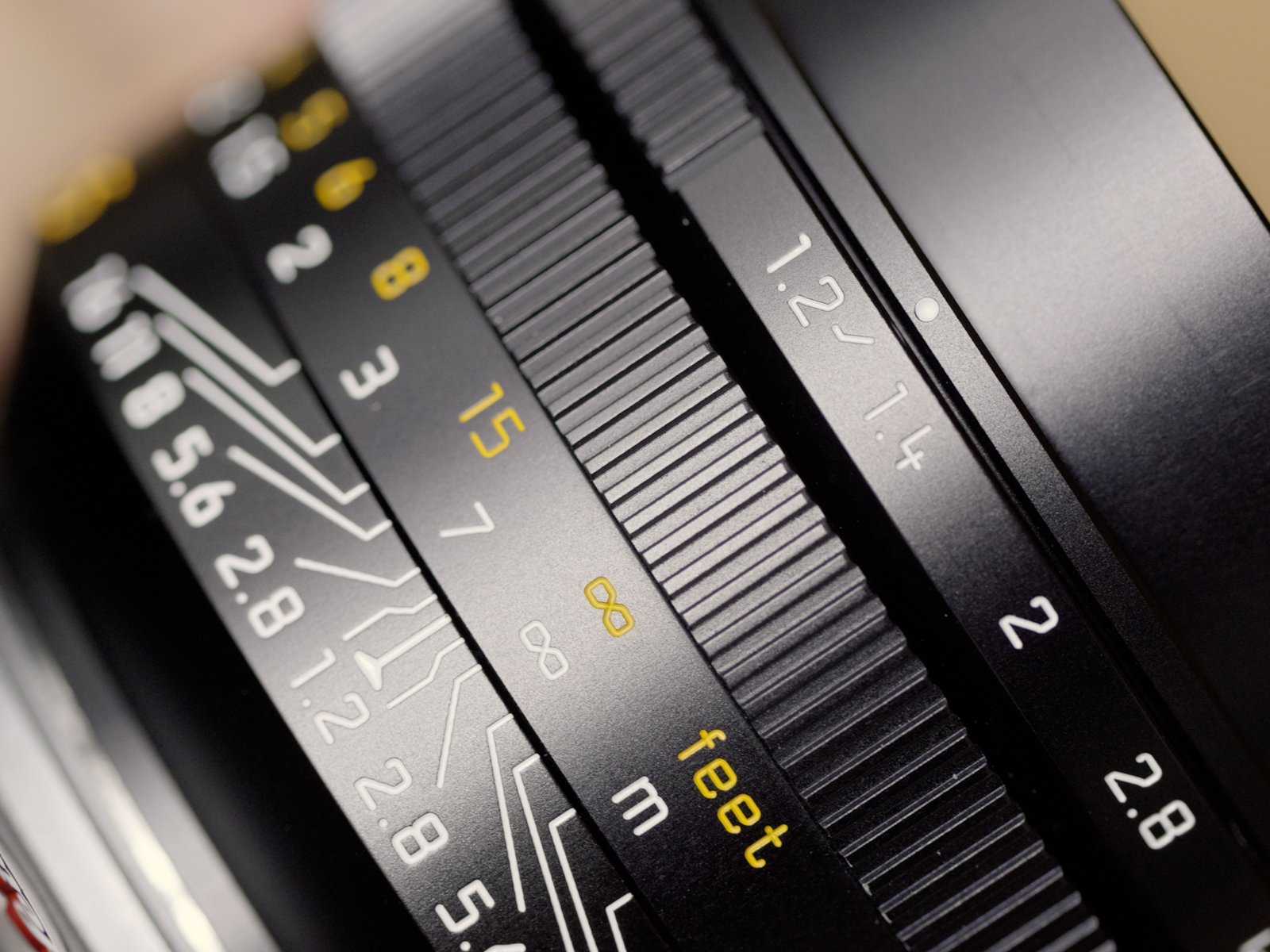
We round our NYC series by exploring SOHO, Washington Square Park, Madison Square Garden, and even Marin City Civic Center with the Leica 35mm f/1.2 Noctilux-M ASPH! Thank you again to our special guests Mark de Paola and Yale Goodman for sharing their thoughts, insights, and experience with this lens.
Earlier this year, January 2026, we sat down with the Head of Leica AG Optical Technology and Industrial Engineering, Jan-Helge Stassmeyer as he explained the new tech inside the new Leica 35mm f/1.2 Noctilux-M ASPH. He explained Leica had been working on the in-house production of Precision Glass Molded, PGM, aspherical elements (3 PGM aspheres and a patented floating element) which made the new compact design and close focusing (0.5m) in the Leica 35mm f/1.2 Noctilux-M ASPH possible. PGM’s are not new to Leica optics and was first introduced in the Leica 35mm f/2 Apo-Summicron-M ASPH though through third party production.
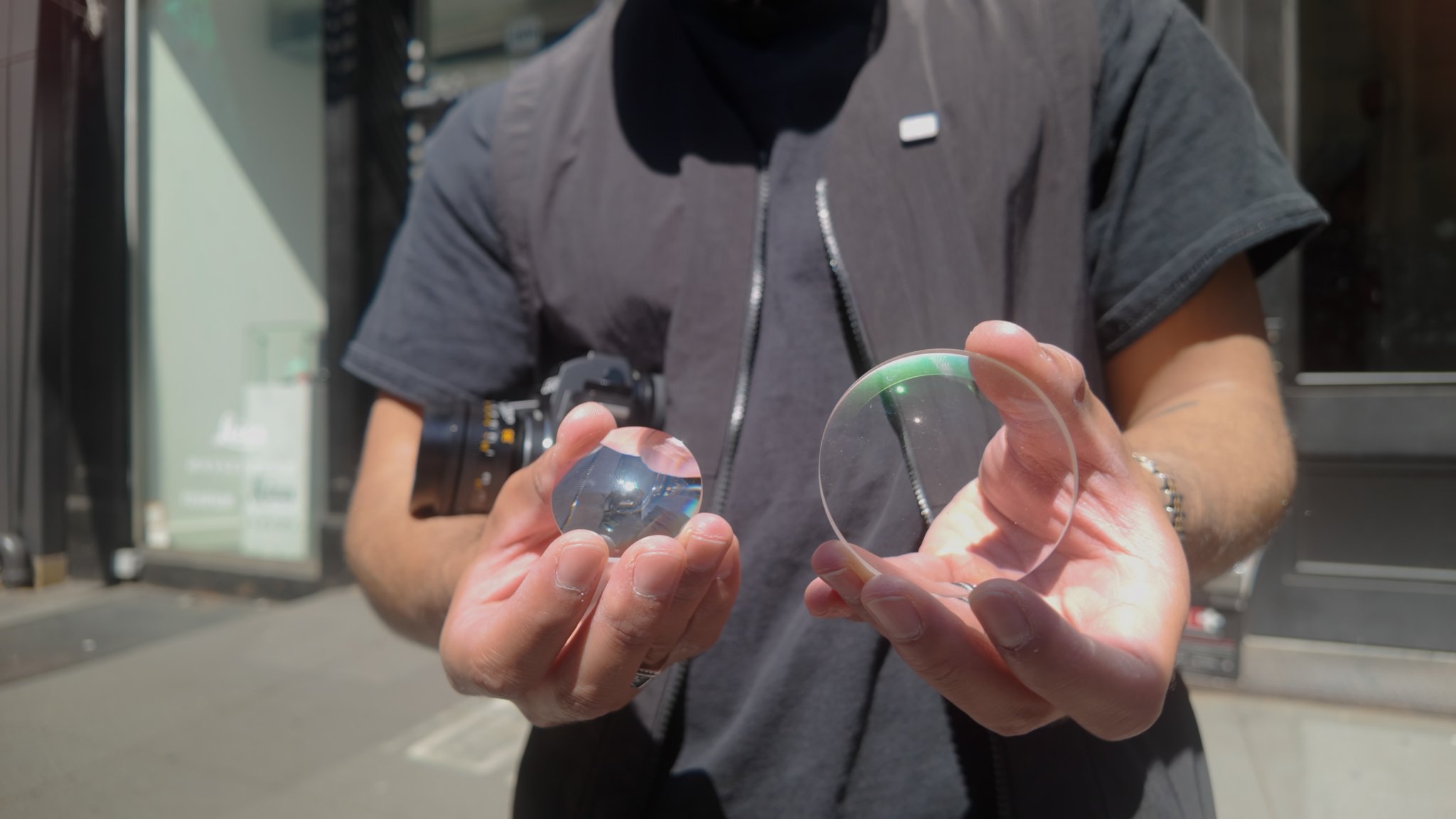
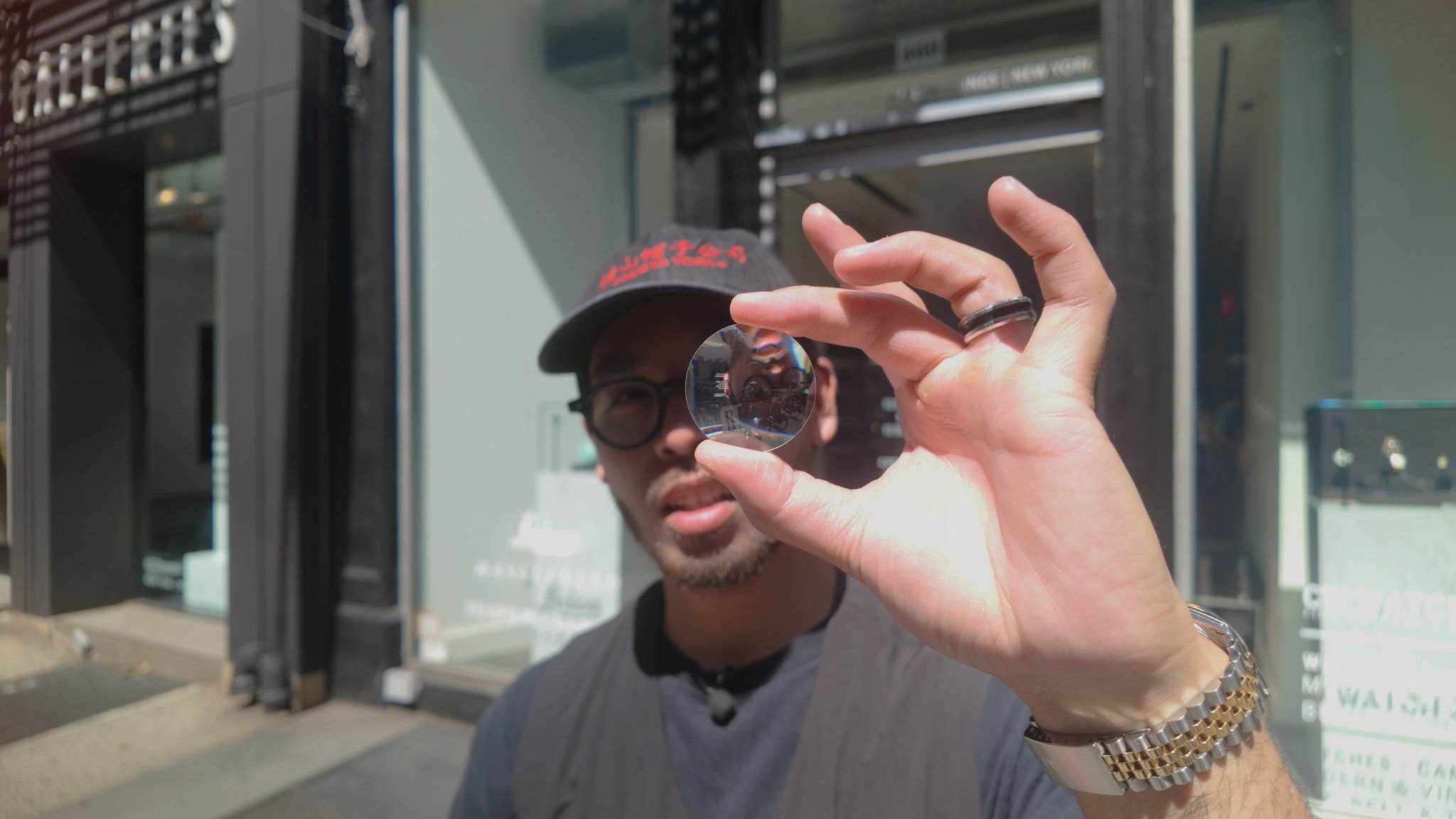
With the 35 Noctilux-M setting the stage PGM for in-house production, this may be the blueprint for future Leica optics. At the time of writing this article, Leica had announced the new 50mm f/1.4 Summilux-SL ASPH II features 2 PGM’s, drastically reducing the size and weight while preserving image quality akin to its M counterpart.
The Look
This lens renders depth of field in a way unlike any other Noctilux that came for it. Since it is a 35mm frame, you do get more space in your overall image, and you get less of that telephoto quality that you get with the 50mm Noctilux, as well as the 75mm Noctilux. This lens has a unique rendering, and I think that it’s, adding to what the the Noctilux can provide for the M system or just in general. The color is very neutral with a filmic quality; soft rendering, not super punchy, not super contrasty, and everything looks pretty natural and falls off where it should naturally.

Portraits
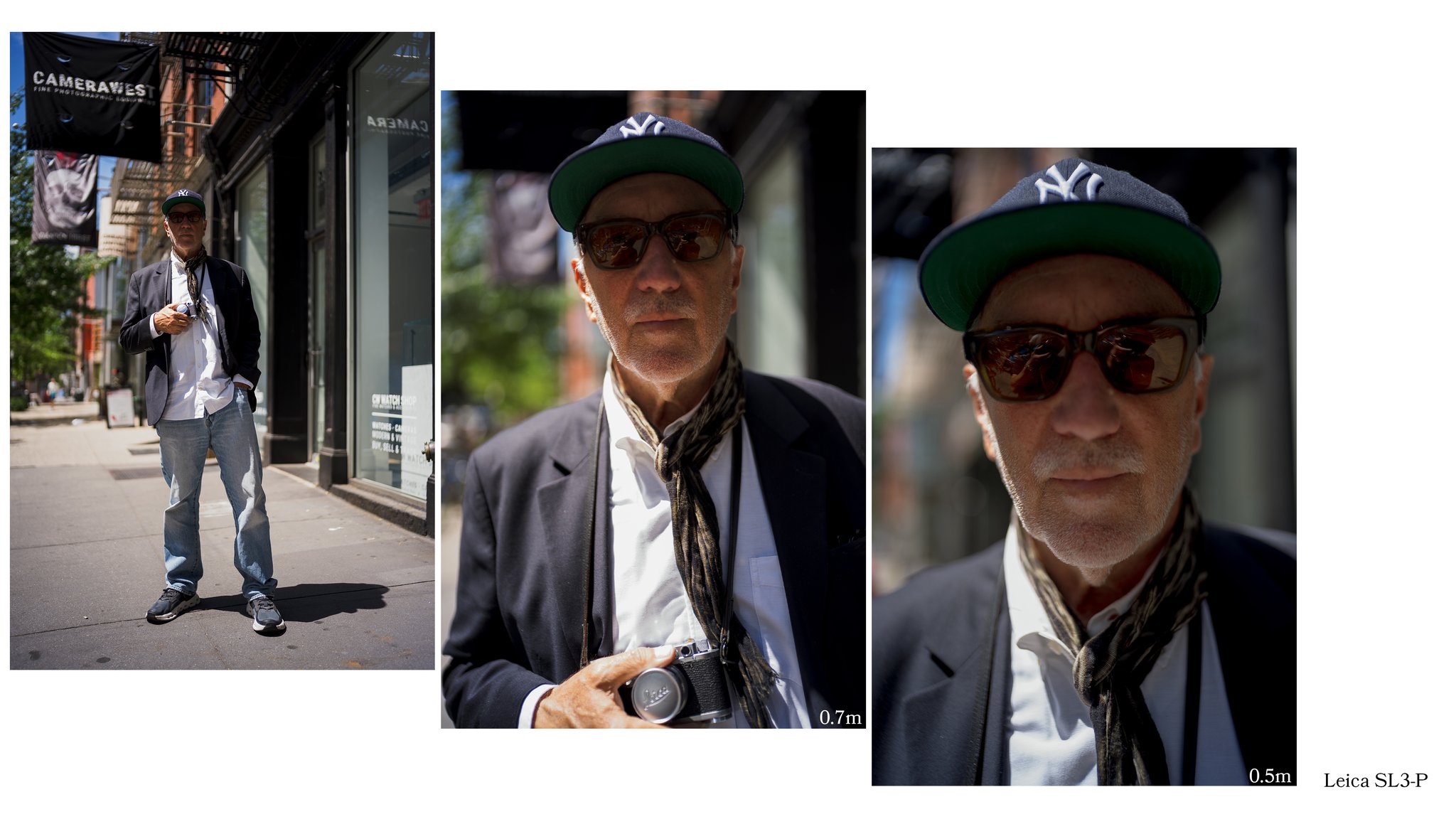
I will say, this lens does have the signature Noctilux vignette, and it does draw you in to your subjects. However, since you have a wider field of view, you can actually get more of the scene incorporated to your photo, adding to more context or dramatization, or just wanting to make the image pop a little bit more.

Indoor & Low Light
I really only used the 35mm Noctilux at night during the Knicks Game three watch party, but I do think this lens could be a do it all in so you can shoot it during the day, you can shoot it during the night, you can shoot it indoors, outdoors, wherever, whatever time of day, and you’ll get amazing results.

Close Focus
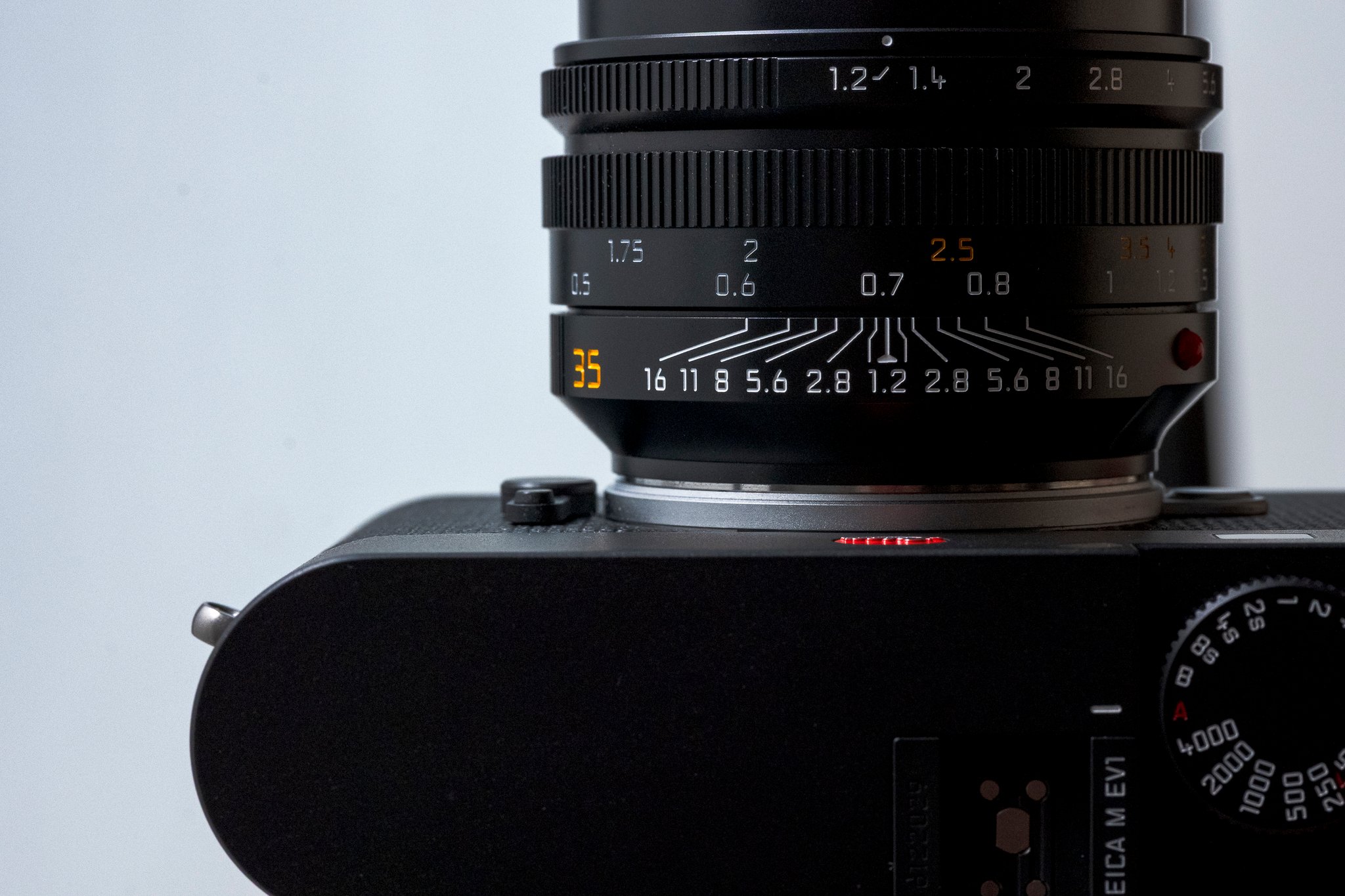
The other aspect about this lens is this is the first Noctilux to focus past 1 meter. The ability to focus close to 0.7m and then further to 0.5m gives you more flexibility than ever before. I do like that, it’s a pretty cool addition to a Noctilux in general. I have been using the close focus a little bit to focus more on fine details. In the past you would normally need like an Elpro or a close focus adapter. But this you can just do it natively. Using it on the SL3-P was a dream, just because I could use it like a waist level finder versus the EVF on the M EV1 it just made more sense to use it on a camera that has that flip up screen.
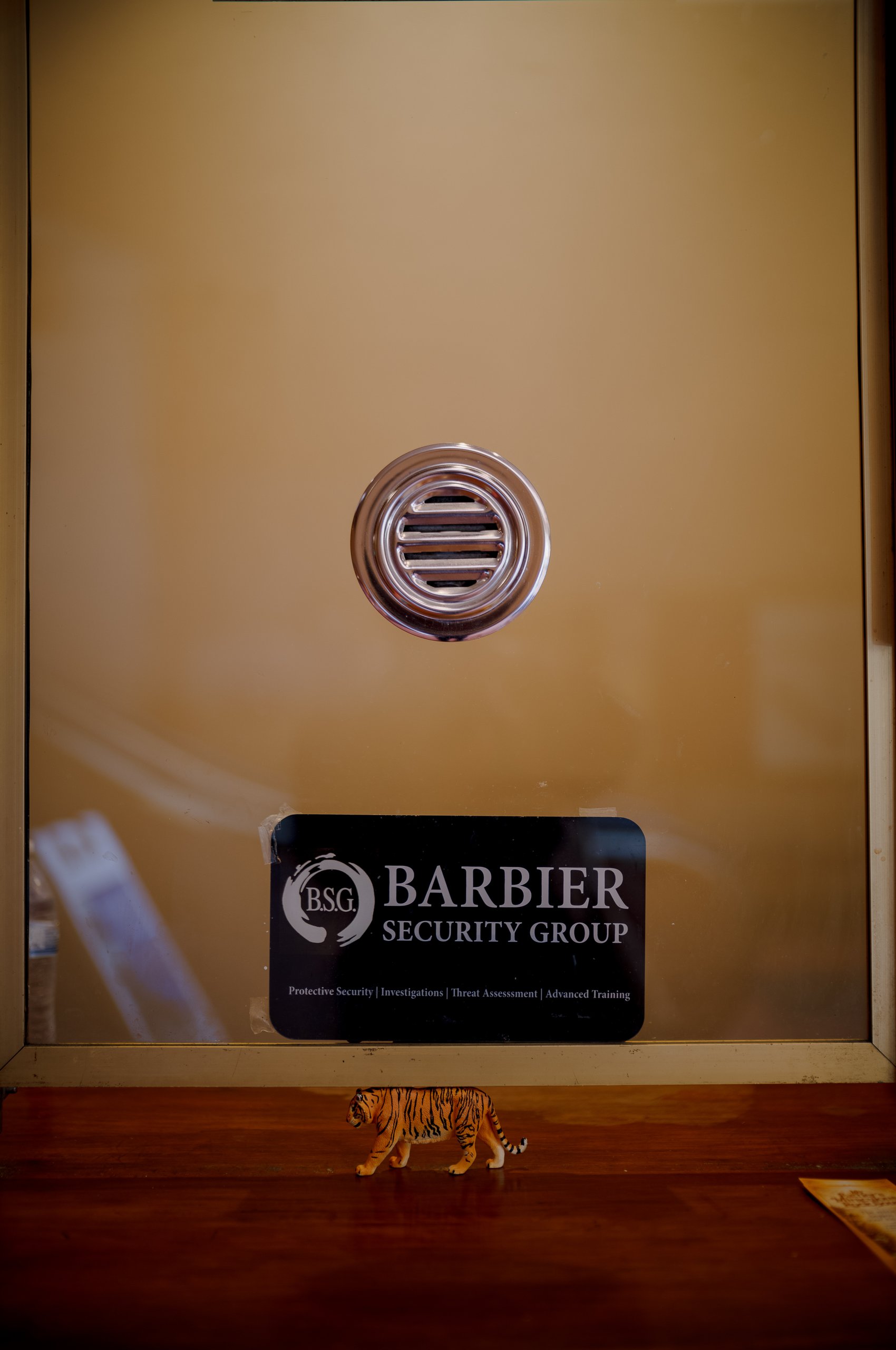
I will say that the photos up close look incredible. The shallow depth of field, the separation, and the sharpness that you get on what is in focus, and then the nice falloff that goes with it. It’s literally doesn’t look like anything else. And I’m very surprised that you’re able to get that all in such a compact lens.



Mark De Paola:
C: Tell me about your experience with the Leica 35mm f/1.2 Noctilux-m ASPH.
MDP: First of all, it’s beautiful. You know, there’s the obvious differences… from my point of view, it’s it’s a half step faster than the f/1.4 [ 35mm Summilux-M ASPH], which makes a difference. You think, “Oh, well, I can shoot in low light as well.” Yes, but I think the most important thing is its effect on perspective. We got a 35mm high speed lens and when shooting wide open, you can achieve very limited depth of field, but with a bigger scope. We’re used to a normal lens, like a 50mm or a 75mm, Noctilux range, narrower, and it’s there’s an obvious sort of this is in focus, this is not in focus. That’s also true here. It’s a very smooth transition from out of focus to in focus, but in a wider field of view. The big difference is perspective and I think that opens up the world for a lot of people to explore, because it really makes a different photograph. That’s sort of, after all, what we’re after, right? It’s about, what does it do for you and how do you make something uniquely yours?

Yale Goodman
C: Tell me about your experience with the Leica 35mm f1.2 Noctilux-m ASPH.
YG: I’ve been lucky to have the 35mm f/1.2 Noctilux-m ASPH for a few months. It has rapidly become my favorite lens. I’ve shot with virtually every 35mm Leica ever produced, and the 35mm f/2 APO-Summicron-M ASPH and 35mm f/1.4 Summilux-M Double Aspherical were the front runners. Then the 35mm Noctilux came out and blew them out of the water. It’s like the best of both worlds, with the character and the colors and the contrast and just that sharpness of the APO. It’s just looks amazing. I’m in love with it and I can’t say enough about it.
C: What have you been shooting with?
YG: A lot of street photography? A lot of just random stuff. My wife, my dog. Just stuff around. It’s just. It lives on my camera. It lives on my shoulder and my camera.

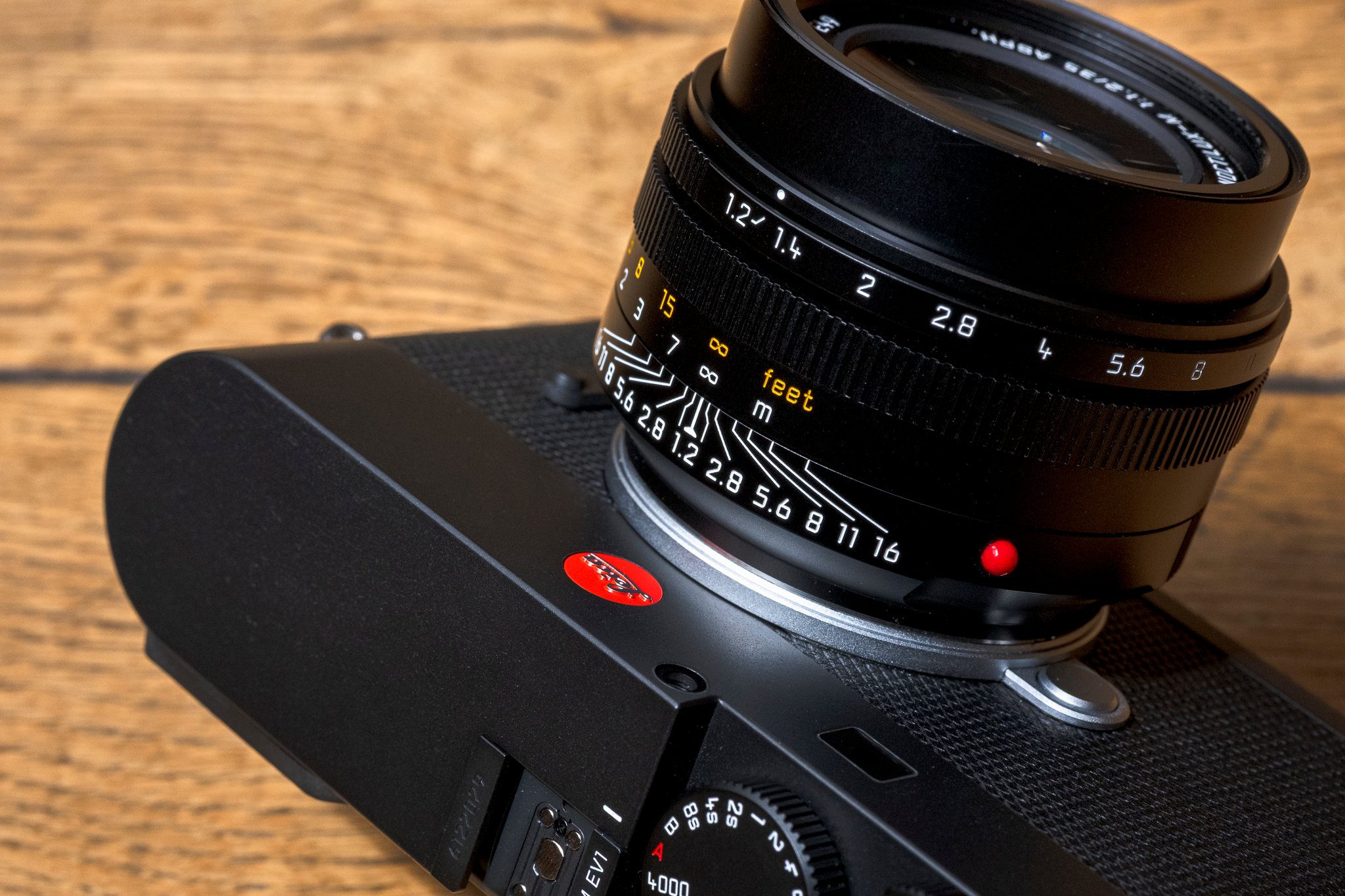
After about a full week with this this lens, I’m genuinely impressed that how how easy it is this lens to use mostly due to the focal length. I primarily shot this lens wide open at f/1.2 exclusively. I didn’t feel the need to stop it down. To be honest, I think stopped down it renders exactly like other contemporary Leica optics. But the minute you open it up past f/1.4 into f/1.2, you just see the pure magic of the Noctilux shine through.
The Leica 35mm f/1.2 sits in unique avenue that bridges heritage and ingenuity while daring to implement new technologies that pave the path forward for Leica optics resulting in the status quo. We’ve see this with the implementation of the “floating lens element” (FLE), APO-Summircon, and even focusing closer than 0.7 meters. Mark de Paola even said it best, “The big difference is perspective and I think that opens up the world for a lot of people to explore, because it really makes a different photograph. That’s sort of, after all, what we’re after, right? It’s about, what does it do for you and how do you make something uniquely yours?” As I reviewed the images I made with this lens, questions raised in my mind, “Is this the king of all 35mm like lenses? Is this the new Noctilux to replace them all? Or will we see a 28mm Noctilux? Selfishly, I would love to see a 28mm Noctilux-M ASPH… with those new pressed aspheres (PGM) I think it’s possible, but we’ll see to only only time will tell.