Landscape photographers spend a lot of time chasing famous places. Yosemite. Death Valley. Zion. Iceland. Patagonia. And, yes, I have joyously photographed all those places.
However, there are other destinations that fly almost completely under the radar. Places that don’t have towering mountains or dramatic coastlines but somehow produce photographs unlike anywhere else on Earth. The Palouse, in eastern Washington and western Idaho, is one of those places.
I had seen the spectacular images for years—rolling hills that looked almost like green velvet, winding roads disappearing over perfectly curved ridges, isolated barns surrounded by oceans of wheat and canola. I had even taken a few shots on a drive through the area towards Coeur d’Alene. When friends said that they had signed up for an Action Photo Tours workshop, I decided to tag along.
A Landscape That Changes Every Day
Most landscape destinations look roughly the same from one week to the next. The Palouse doesn’t. It is a working agricultural landscape, and that means it is constantly evolving. Depending on when you arrive, one field may be brilliant yellow with blooming canola while another has turned deep emerald with young wheat. Pea fields add different shades of green. A week later, one of those fields may already have been harvested while another is just reaching its peak.
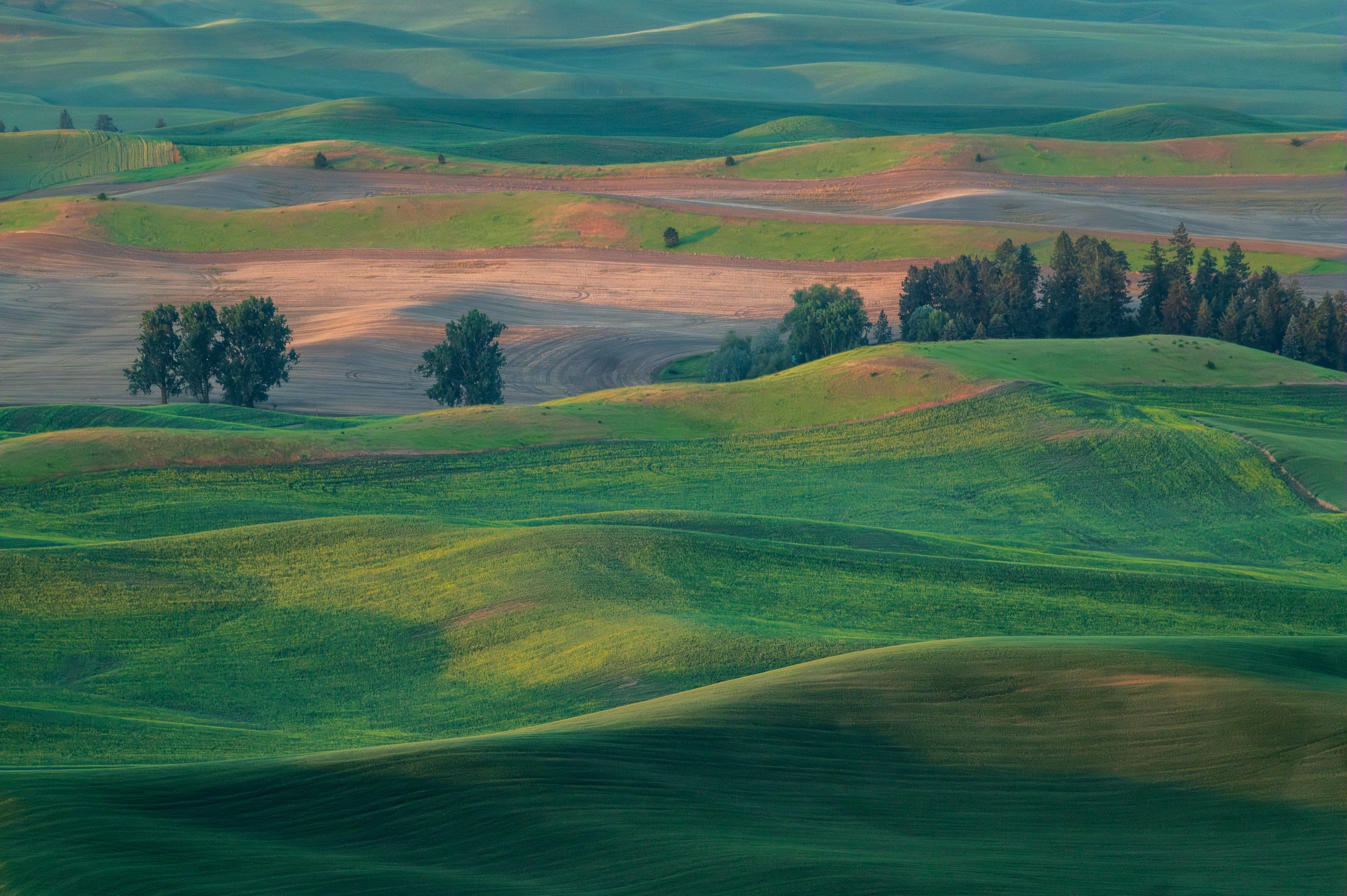
The result is that no two visits are exactly alike. Unlike Yosemite or the Big Sur coast, the major visual attraction isn’t a mountain or a river that is constant.
That constant change is one of the reasons visiting with an experienced local guide is so valuable. Many iconic viewpoints are well known, but the real magic lies in knowing which back roads are producing the best compositions this week rather than last month. The wheat field that was waving alluringly in the sun last week, may have been harvested this week. That information isn’t on a map or in a guidebook. And the spots where someone else got a great Instagram post two weeks ago may look totally different now.
Spring Means Incredible Color—and Very Little Sleep
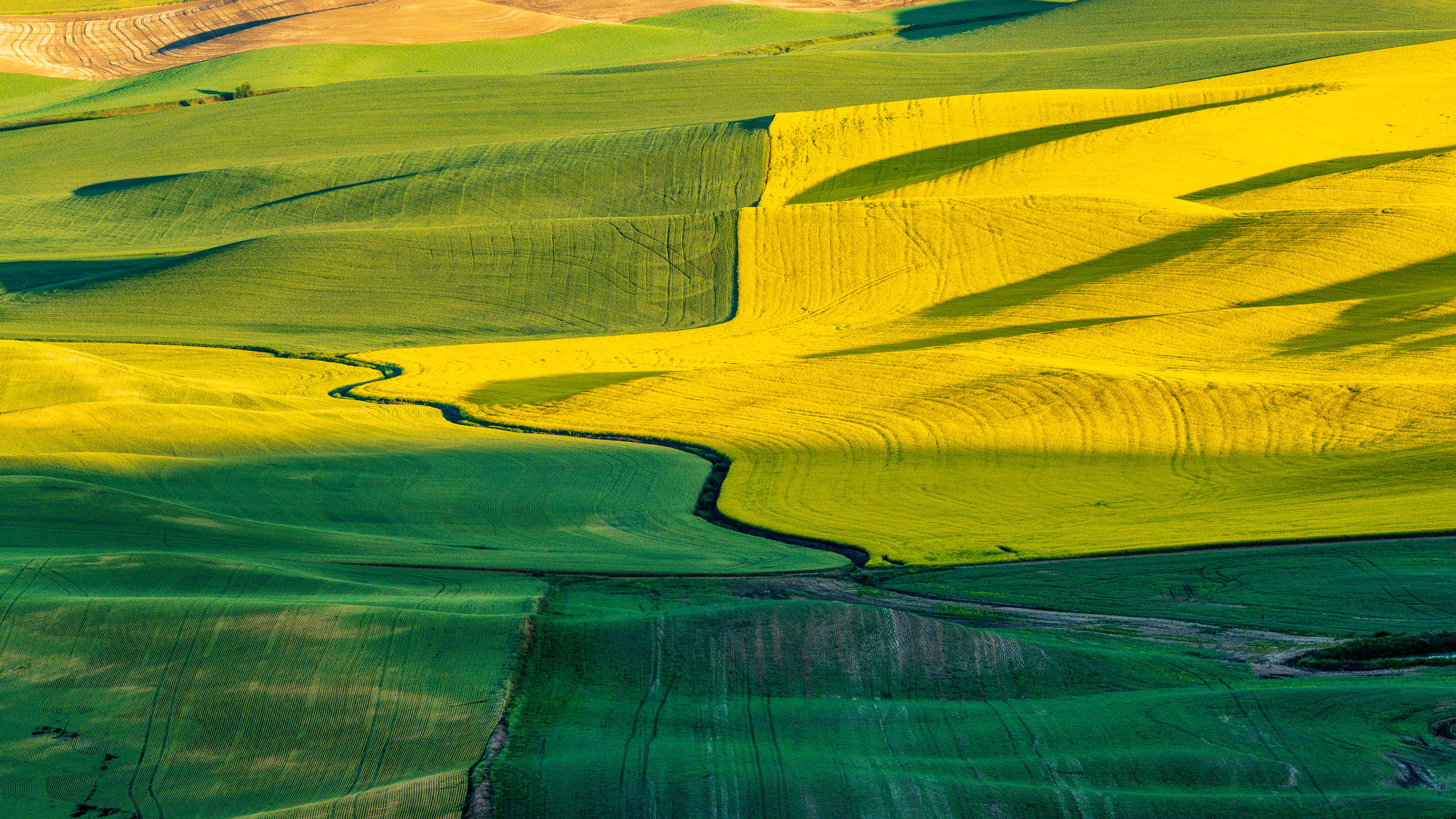
Spring is unquestionably the best time to photograph the Palouse. The hills explode with vibrant greens while canola fields paint broad ribbons of yellow across the landscape. Every hour brings different shadows, different textures, and completely different moods.
The downside? The farther north you travel in late spring, the longer the days become. Sunrise arrives around 5:00 in the morning. Sunset doesn’t happen until nearly 9:00 in the evening. For photographers, that creates a schedule that would make most people question their sanity.
Morning begins around 3:30 a.m. By the time you’ve dressed, grabbed coffee, loaded camera gear into the car, and driven to the first location, you’re in position well before first light.
The evening session often doesn’t end until after 9:30. Then there’s the drive back, downloading memory cards, charging batteries, cleaning lenses, and preparing gear for the next day. If you’re lucky, you’re asleep around 11:30.
Four hours later the alarm rings again. By the third day, everyone is a groggy and answering the bell for another sunrise is an act of sheer will.
The Light Never Stops Changing
The Palouse isn’t a place where you set up one composition and wait for the light. Except for sunrise from Steptoe Butte, the Palouse rewards movement and opportunism.
Cloud shadows sweep across the hills, constantly changing the relationship between light and dark. Twenty minutes can completely transform a familiar scene. Even when the car has been parked, getting the best image demands zooming with your feet. In and out. Up and down the road. Rearranging the elements within the frame.
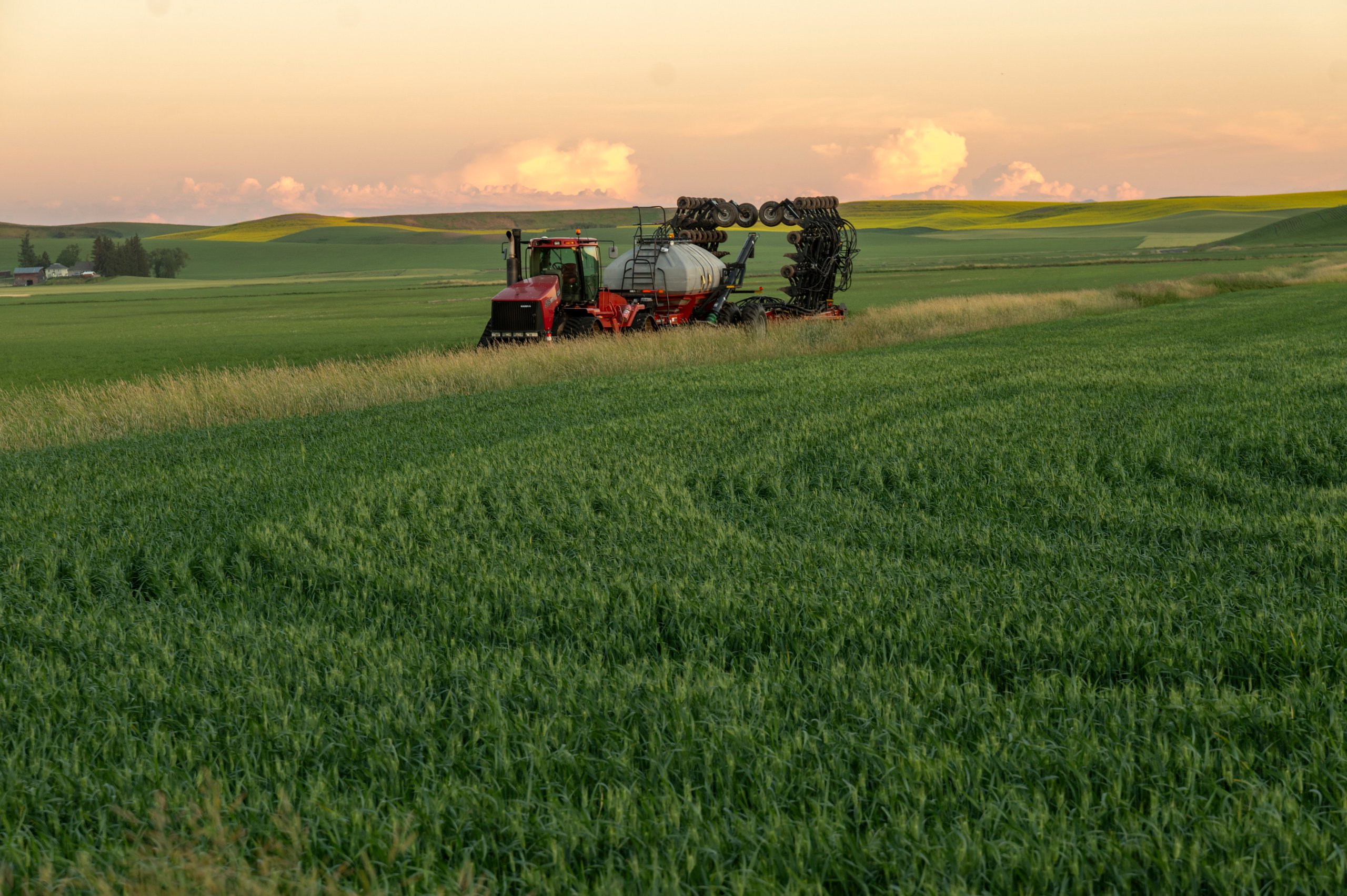
I have spent a lot of time photographing the sand dunes in Death Valley. As I was looking at the light raking across the rolling hills of eastern Washington, many of the same techniques applied.
Many of my favorite images happened because we simply rounded another bend in the road. An isolated farmhouse. A solitary grain elevator. An old red barn. Perfect S-curves leading toward the horizon.
You quickly discover that some of the best photographs aren’t famous locations at all—they’re simply places where the light, the crops, and the terrain came together for a few magical minutes.
The Leica SL System is Perfect for The Palouse
Like many photographers, I have several cameras in different systems. But there was no question that I wanted to use my SL3 for this project. The resolution, dynamic range and superb color rendering was perfect for the subtle colors and sweeping landscape of the Palouse.
My main workhorse lens was the Leica 24-90 Vario-Elmarit. It’s big and heavy but it is truly the best zoom lens that I have ever used. It was perfect for the mid-range landscapes and sunsets.
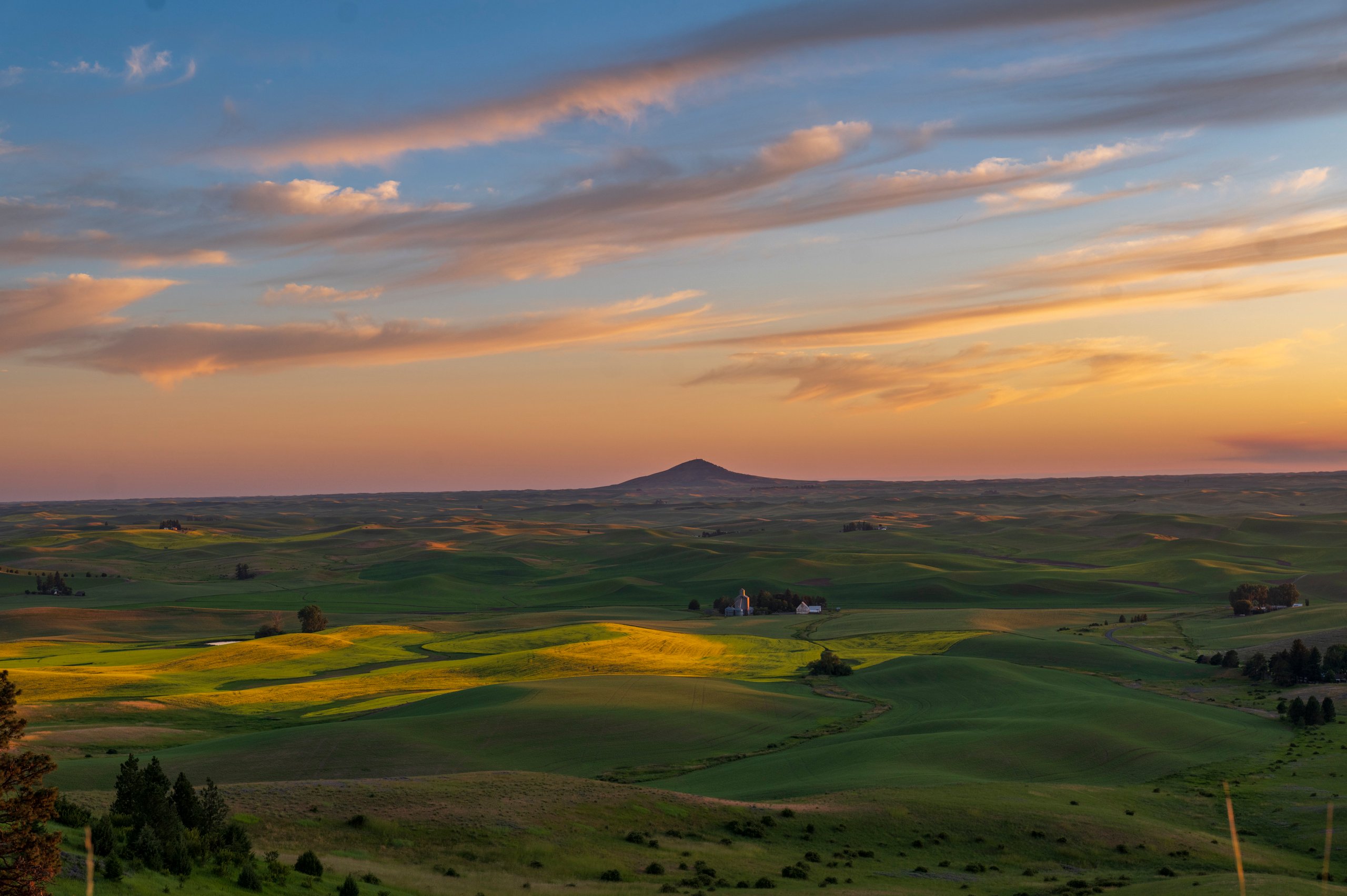
I also used the Leica 100-400 Vario-Elmarit when I wanted to isolate details and compress the scene. Another reason why having longer reach lenses is important is that, because these are working farms, you are often shooting from a distance. Along a road or over a fence. The focal length of 300-400 mm worked well. I had brought my 1.4x teleconverter but never used it.
Although I had a Lumix 16-35 f4 wide angle zoom in my bag, I didn’t come back with any keeper images from that lens. Nothing wrong with the lens. However, the landscape didn’t lend itself to wide angle compositions. Even so, I would pack it again—just in case.
This is a hot, windy, dusty environment. Changing lenses is risky. If you can have two bodies—one with the mid-range zoom, one with the telephoto—you will spend less time cleaning your sensor. The automatic sensor cleaning function in the SL3 works well, but I would definitely pack a rocket blower and a sensor swab kit.
More Than Pretty Landscapes
Although the hills dominate the photography, the area offers plenty of variety. Old barns—some aging gracefully, others collapsing. Tiny country churches sit alone among miles of farmland. Grain elevators outlined against endless skies.
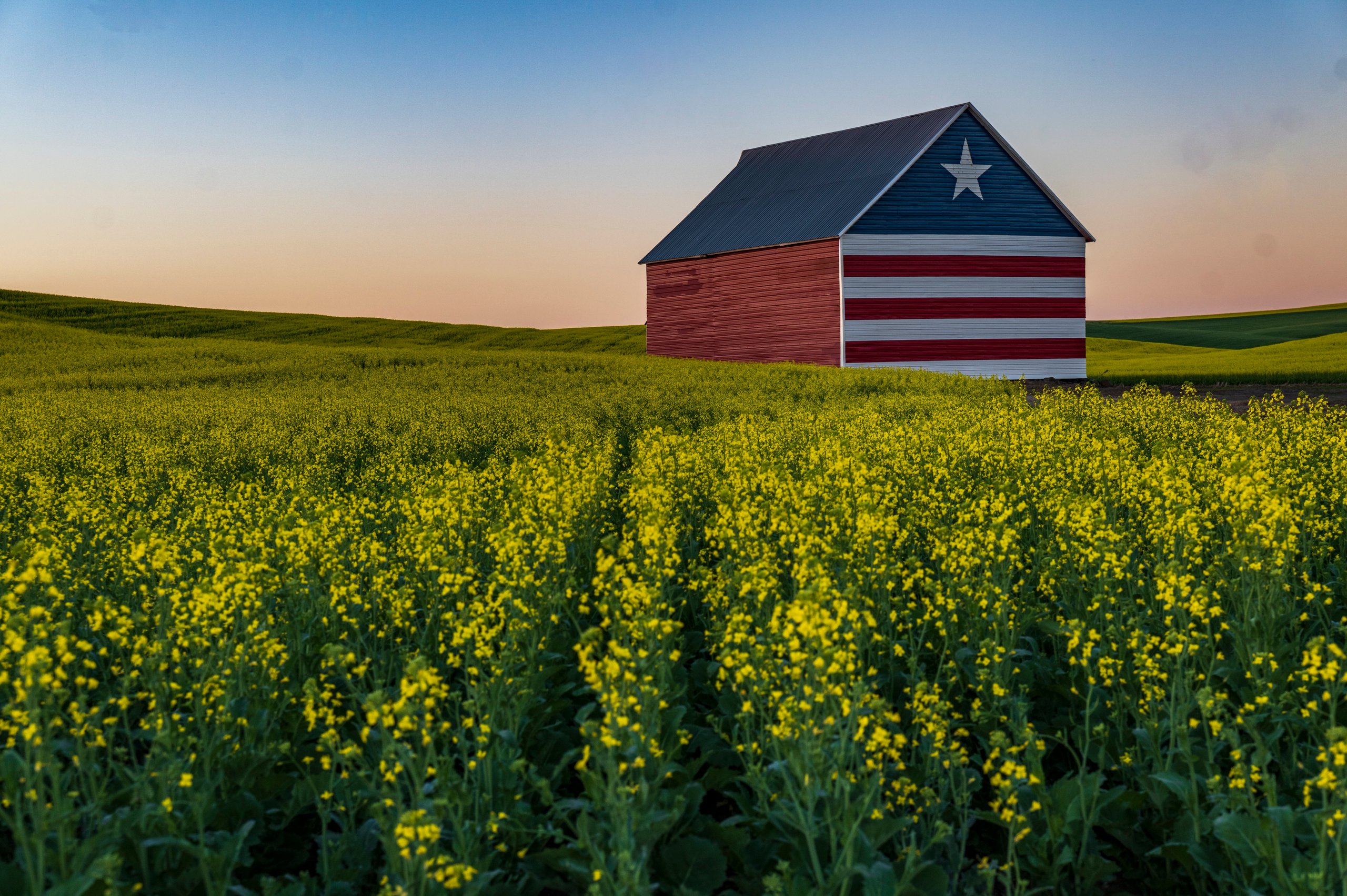
A visit to Palouse Falls introduces a completely different landscape—a dramatic basalt canyon carved by Ice Age floods where a nearly 200-foot waterfall crashes into a narrow gorge. The falls make an excellent change of pace after several days of photographing rolling farmland.
Worth Every Lost Hour of Sleep
By the end of four days, I was running largely on coffee, Visine, and the excitement of seeing what waited around the next corner.
The Palouse isn’t dramatic in the conventional sense. There are no towering peaks or crashing waves. Some have described my photographic style as “painterly”. I am not sure that they meant it as a compliment, but I chose to take it that way.
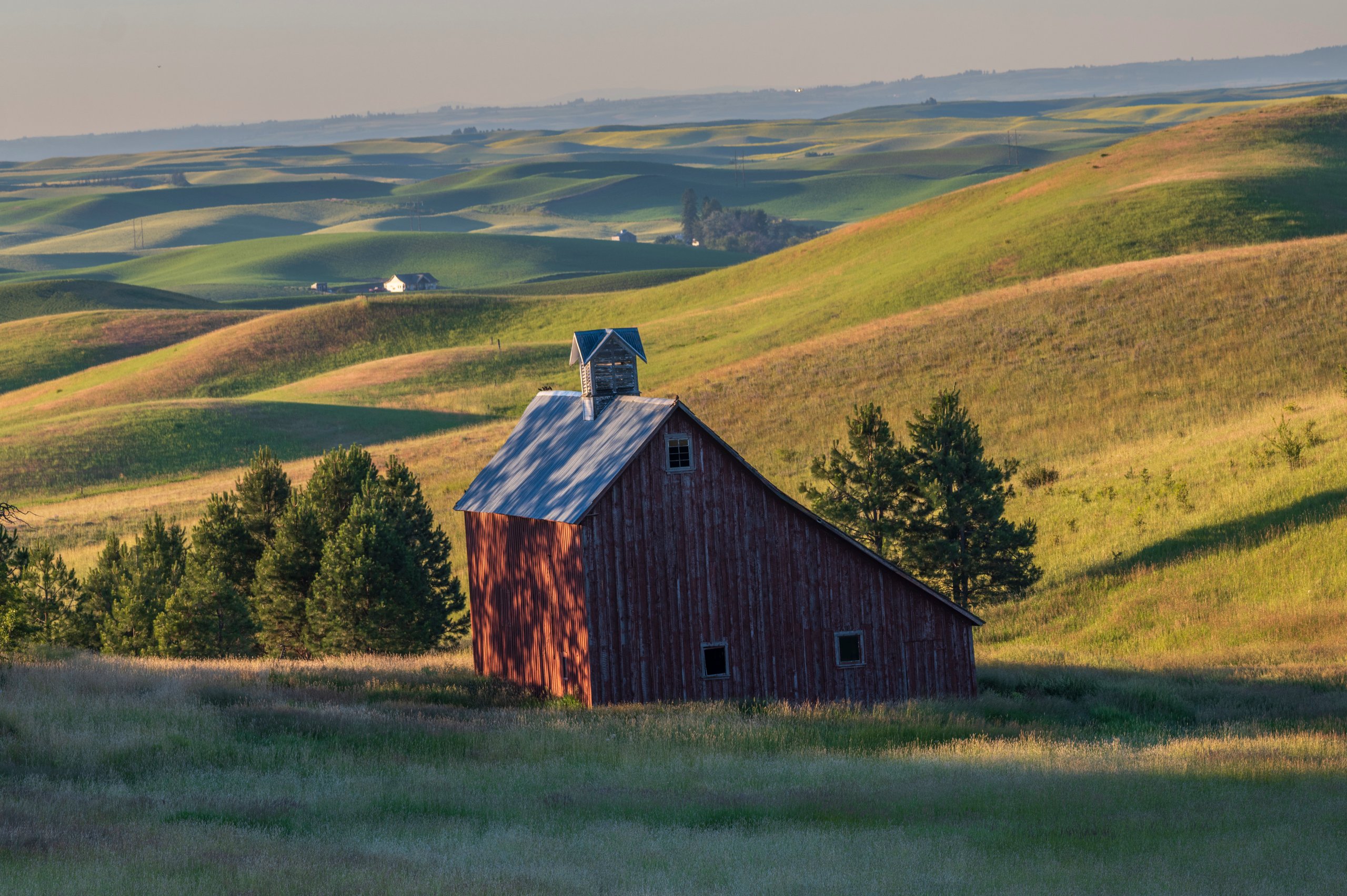
The Palouse is a landscape where light, color, agriculture, and weather combine to create endless photographic possibilities. That may be the Palouse’s greatest gift to photographers. No matter how many of us make images there, they will all be different. And no matter how many times you return, there will always be another hill, another field, another sunrise, and another composition waiting just over the next rise.