Leica SL3-P First Look: Hands On from Wetzlar
- Model
- Leica SL3-P
- Sensor / Format
- Full-Frame 44mp BSI CMOS
- Mount / System
- Leica SL
- Features
- 40fps · 8k Open Gate · 819 AF Points w/Machine Learning · IP54 · 5-Axis IBIS · L-Mount · 14 Stops of Dynamic Range
Hands on from the mother ship itself, Wetzlar! On the first of June, Carlo, Sean, and I converged in the Frankfurt airport to grab a ride to Wetzlar, home of Leica, for the launch of the Leica SL3-P and, unbeknownst to us, the launch of two really exciting optics for the Leica SL system: the Leica 50mm f/1.4 Summilux-SL ASPH II and the Leica 100mm f/2.8 APO-Macro-Elmarit-SL. It is always a pleasure to experience new products from Leica at Leica. It is something else entirely to see them in their place of origin. This is where these products are designed, tested, and, in the case of the SL3-P and the 50mm Summilux, produced.
Why do I bring that up? Because it takes an understanding and context of how these products come to be. They do not come out of the ether. They do not come from a few engineers behind the scenes putting things together. Leica is family from front to back. These products grow out of a culture, a deep understanding of the customer, and a team that is genuinely in tune with photographers. That team takes these ideas, this philosophy about photography and the way a photographer interacts with their tools, and builds them into the product with passion and joy. That is what we felt in Wetzlar. Before I get into my thoughts on the SL3-P, I wanted to start there because I felt that passion for the process and tools in the tool itself while experiencing it in Wetzlar.
Leica was generous enough to give us time with the SL3-P and the two new lenses in Wetzlar. We also had the SL3-P for a short while in New York City, where Carlo and I filmed the video you can watch below. The video lays out our thoughts on the camera while we put it through its paces in a range of environments, both in Wetzlar and in New York. We even stopped by our new store in SoHo and photographed the surrounding streets of Manhattan.
The Most Complete SL to Date
The SL3-P is truly the most complete SL camera to date. It pulls together a lot of what Leica has been chasing over the past decade, since the original SL arrived in 2015. The OG SL 601 is special to me, because I was around when it came out. I still remember seeing a prototype in our Palm Springs store with our good friends and former Leica reps Ebi and Mary Jo, who we also got to visit on this trip. Recall a new direction with this mirrorless camera that stood out for the rest of competition. A focus on the essential and a focus on build a tool that would add to the process not subtract from it.
In this first look, I am going to cover the SL3-P only. My impressions of the Leica 100mm f/2.8 APO-Macro-Elmarit-SL and the Leica 50mm f/1.4 Summilux-SL ASPH II deserve their own posts, and I will handle each of those separately. You can also get Carlo’s first impressions in the video above.
The SL3-P carries a lot of what you already find in the SL3 and the SL3-S, with some welcome additions. It is a nice melding of the two, plus a stack of new features and refinements that make this camera feel genuinely complete. I am an M photographer, and I have been for over a decade. Why do I love the M? It is simple. It has a soul. It asks me to think differently behind the camera. It also removes friction in the process of making images. It just works. You turn it on, you zone focus, and you photograph. Simple and concise. That kind of tool speaks to me.
The SL system, on the other hand, has always been the professional system. It has all the bells and whistles a working photographer needs to capture a moment in any situation. The one thing it could never quite do for me was get out of the way the way an M does, the technology always had a little bit of friction to simply work without me thinking about it. That is exactly what the SL3-P brings to the table find a frictionless experience that complements my M photography.
The “P” Design
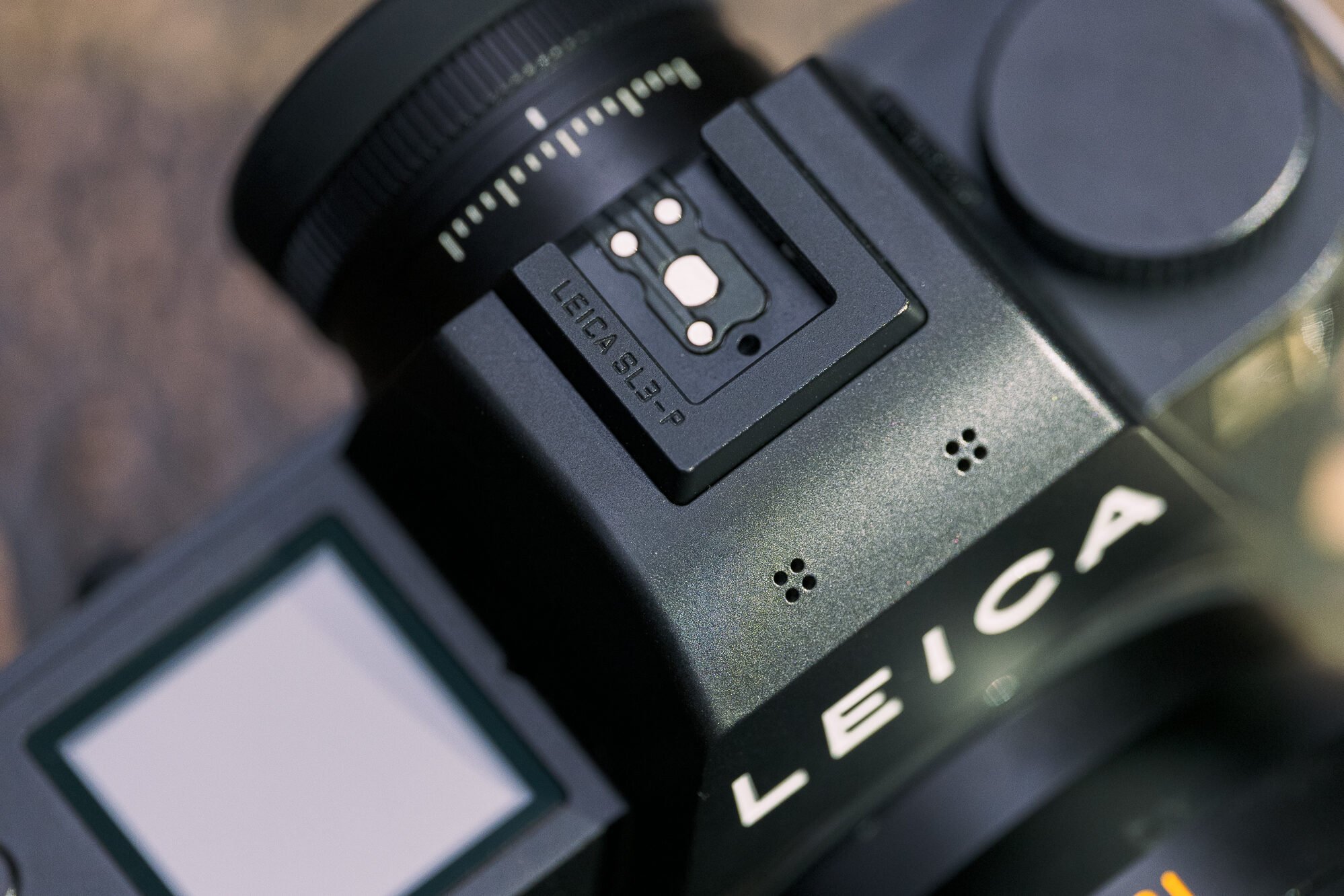
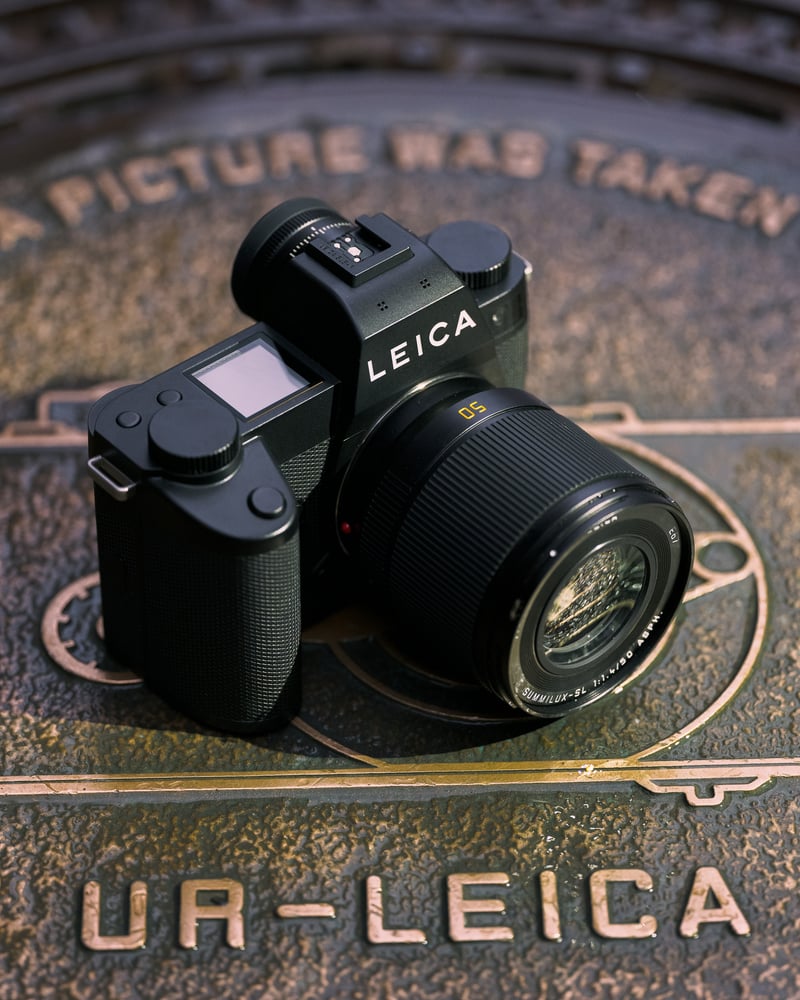
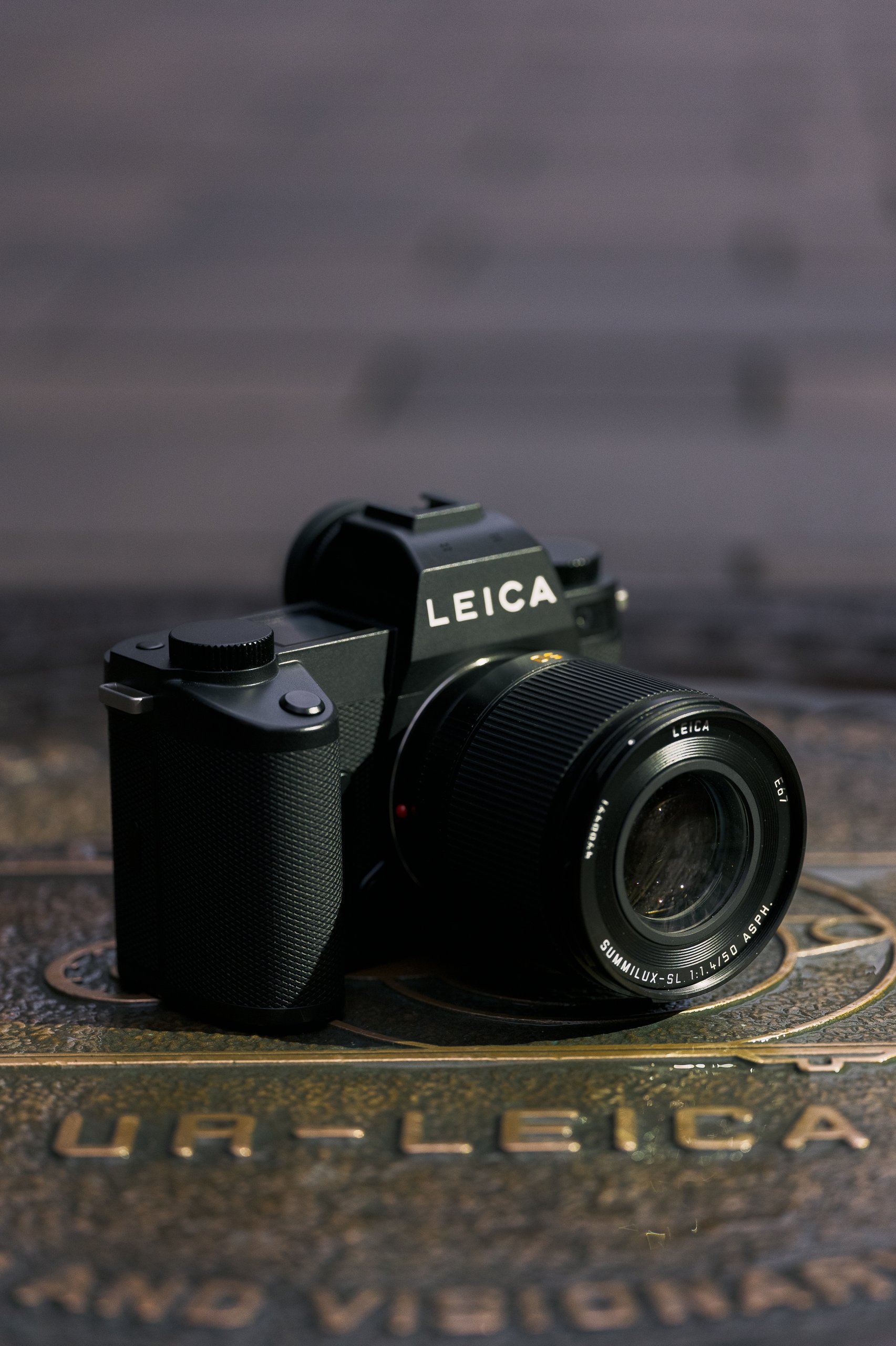
The aesthetics have not changed much from the SL3 and SL3-S, with one significant exception that pays homage to the P versions of the M series. Leica dropped the red dot, swapped the silver buttons for black, and, since there is no room for the Leica script on the top plate, they left the painted Leica lettering on the front of the viewfinder instead. It is a discreet, stealthy, minimalist look, and I love it.
Autofocus That Simply Works
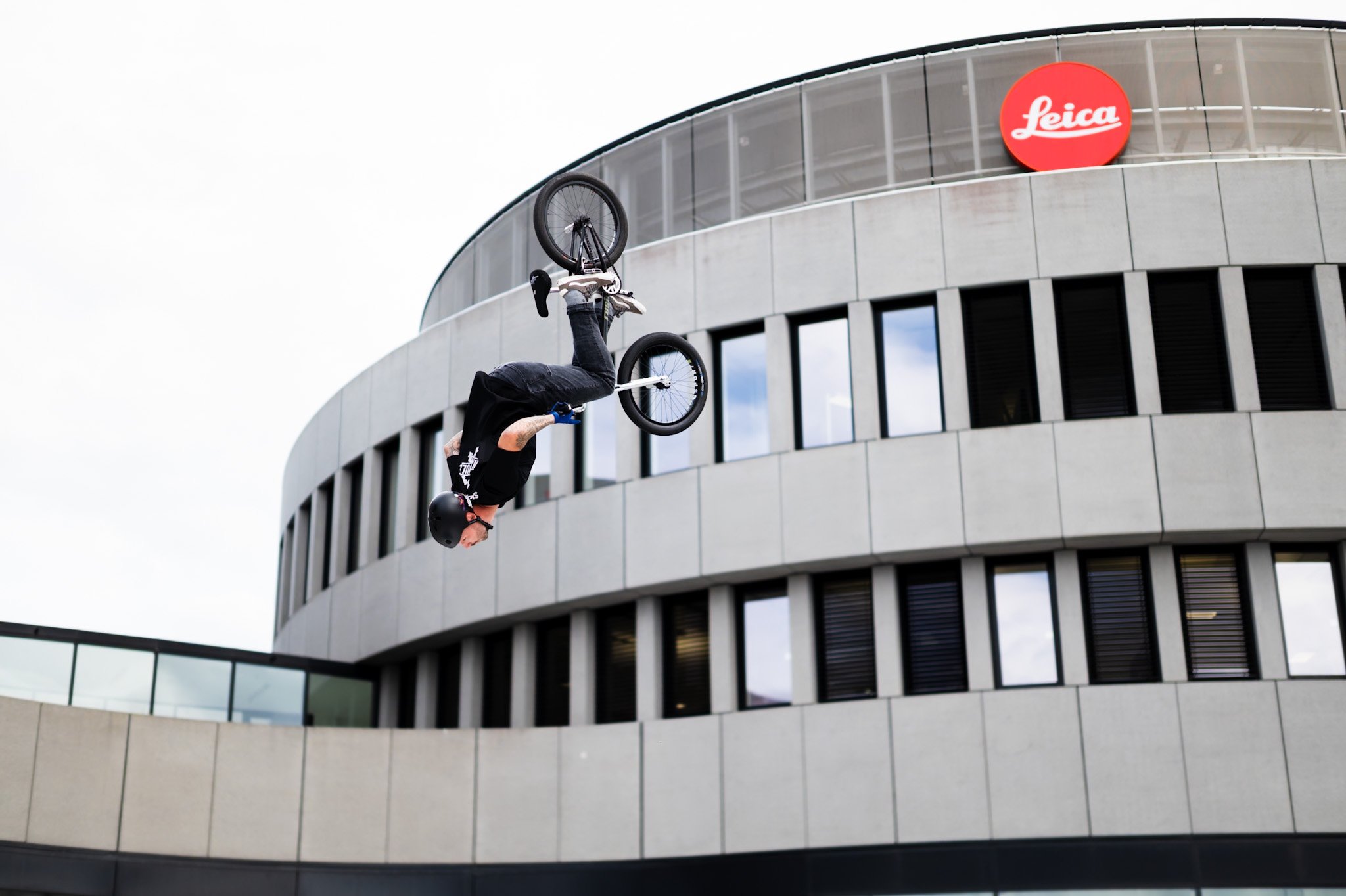
One of the first things I noticed was how fast and effortless the autofocus is. The machine learning Leica built into the new AF system, combined with 819 AF points, makes focusing something you no longer have to think much about. You put it in the right mode for the situation, and the camera handles the rest. It knows what to focus on and when, and it is simply there when you need it. This is incredible. It is similar to what we have achieved for years with zone focusing, now living inside an autofocus engine.
40fps with Subject Tracking every frame is 44mp!
44 Megapixels Is the Sweet Spot
The 44-megapixel sensor is new to the SL3-P. The 24-megapixel sensor in the SL3-S was always my favorite, because the files are small and the high iso noise was low. I never really needed the 60-megapixel files from the SL3, although that resolution is nice for cropping and resolving those APO lenses. 24 megapixels has almost always been enough for me, especially with a high-quality Leica optic that out-resolves the sensor. But 44 megapixels really is the sweet spot. It gives you room to crop when you need it without ballooning your file sizes. If you are photographing action or wildlife in burst mode, you are not drowning in files in post. For professionals, this is a no-brainer. Look at the pro bodies from Nikon, Canon, and Sony, and they usually land on the lower end of the megapixel range, because you need to photograph in volume. 44 megapixels strikes that balance between resolution and the ability to photograph in volume without the headache. One side note: hold the shutter down at 40 frames per second and you will fill a card very fast. I really think that 44 megapixels is a smart move by Leica in the SL3-P.
Video and the SL Standards
On the video side, you get 8K Open Gate and 4K/120p. If video is your thing, this camera performs as well in video as it does stills. It is a lovely balance between the two. We used to say the SL3-S fit that hybrid category best, for the photographer living between photos and video. I think the SL3-P is now the obvious king there, unless you need continuous recording. That is where the SL3-S still steps in. Its camera that runs a little cooler than the SL3-P sensor, which allows for non-stop video. What I really enjoyed about the SL3P was the new menu system that allows for quick and easy access to different variations of video format, file type, bitrate, etc. I’ve been told that this is probably coming to other SL3 cameras, but it is being introduced first in the SL3P. The SL3-P also brings all the standard SL hallmarks: IP54 weather sealing, five-axis image stabilization, the open L-mount with a massive lens lineup beneath it, and 14 stops of dynamic range. And of course, the simple, intuitive interface we have come to love across the SL system, consistent with the M and Q. These are all things that already worked beautifully, so picking up the camera felt completely natural to me, since I already photograph with an M11 and use the SL quite a bit.
Color and Low Light
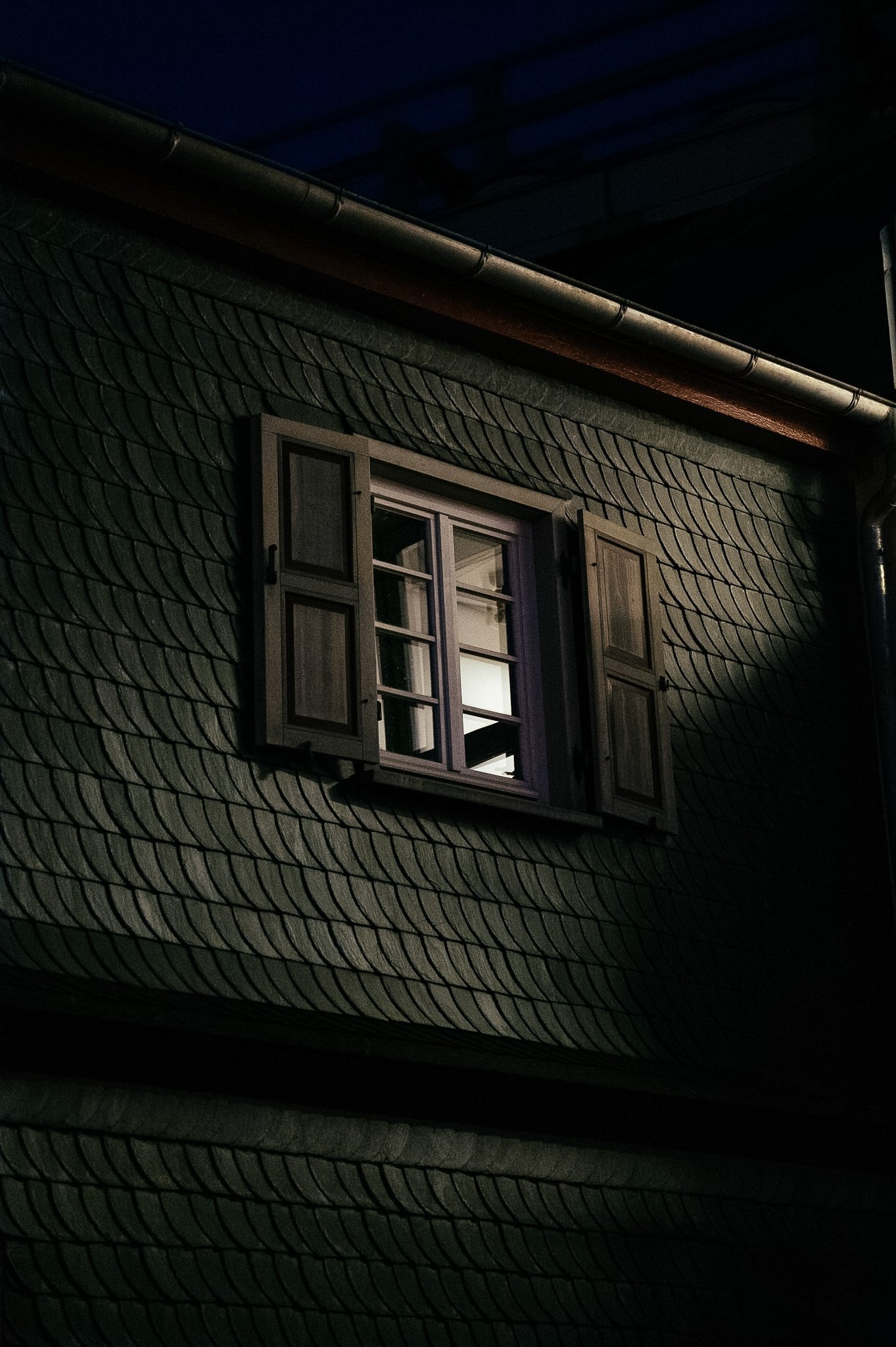
Something both Carlo and I noticed, especially during our twilight hours in downtown Wetzlar, was a distinctive color rendering. It is still very much in line with Leica’s overall look, but, as you will see in some of these photos, it has a slightly different signature. I think it comes from the new 44-megapixel sensor, and it is really pleasing. The rendering over all is very natural. It handles low light beautifully, and it renders greens and blues perfectly. Speaking of low light, the SL3-P held up far better than we expected. We did not run any scientific side-by-side tests, but it lived right up to the bar we have set with the SL3-S. That is surprising for a higher-resolution sensor.
In the Field in New York
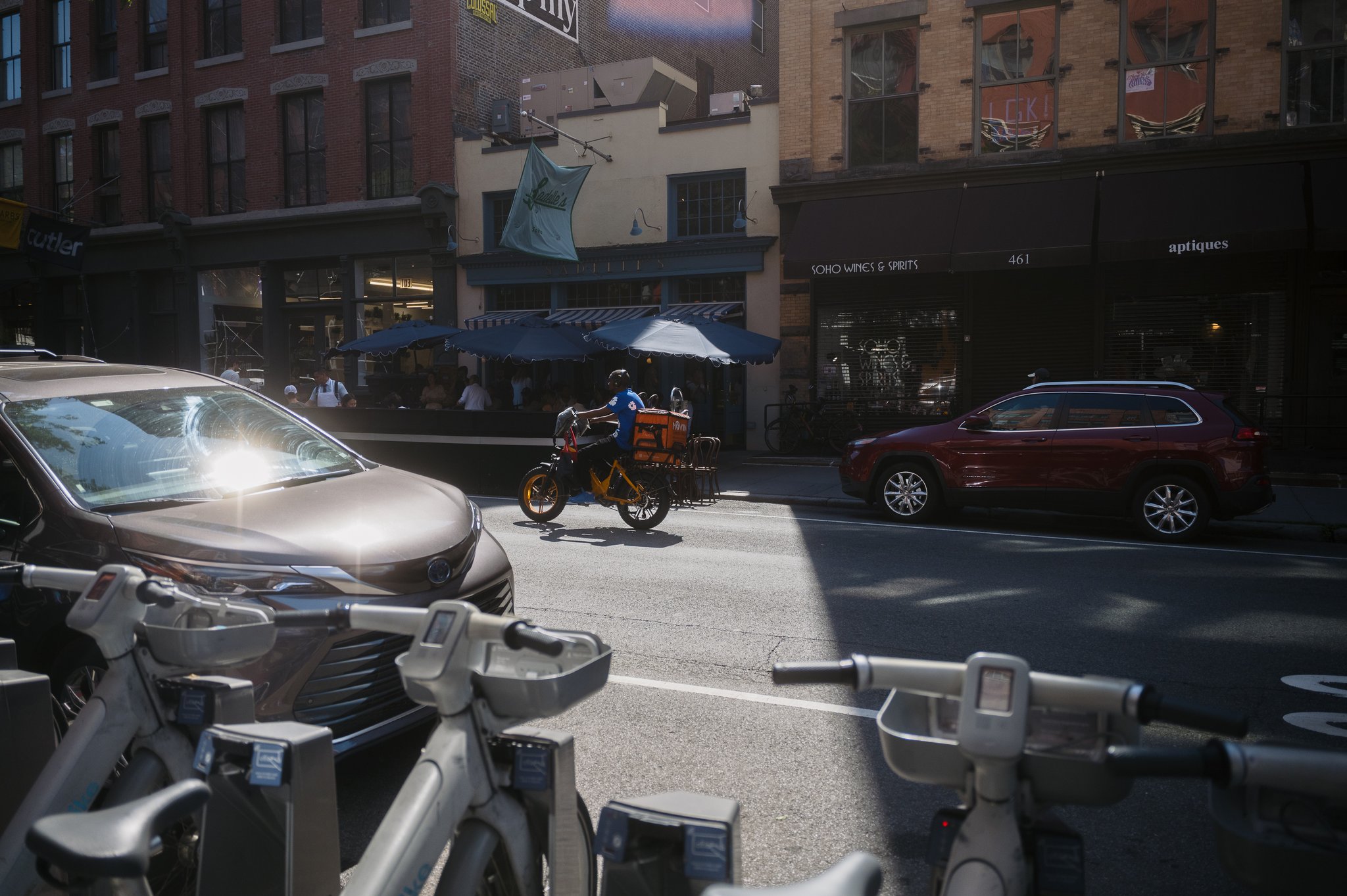
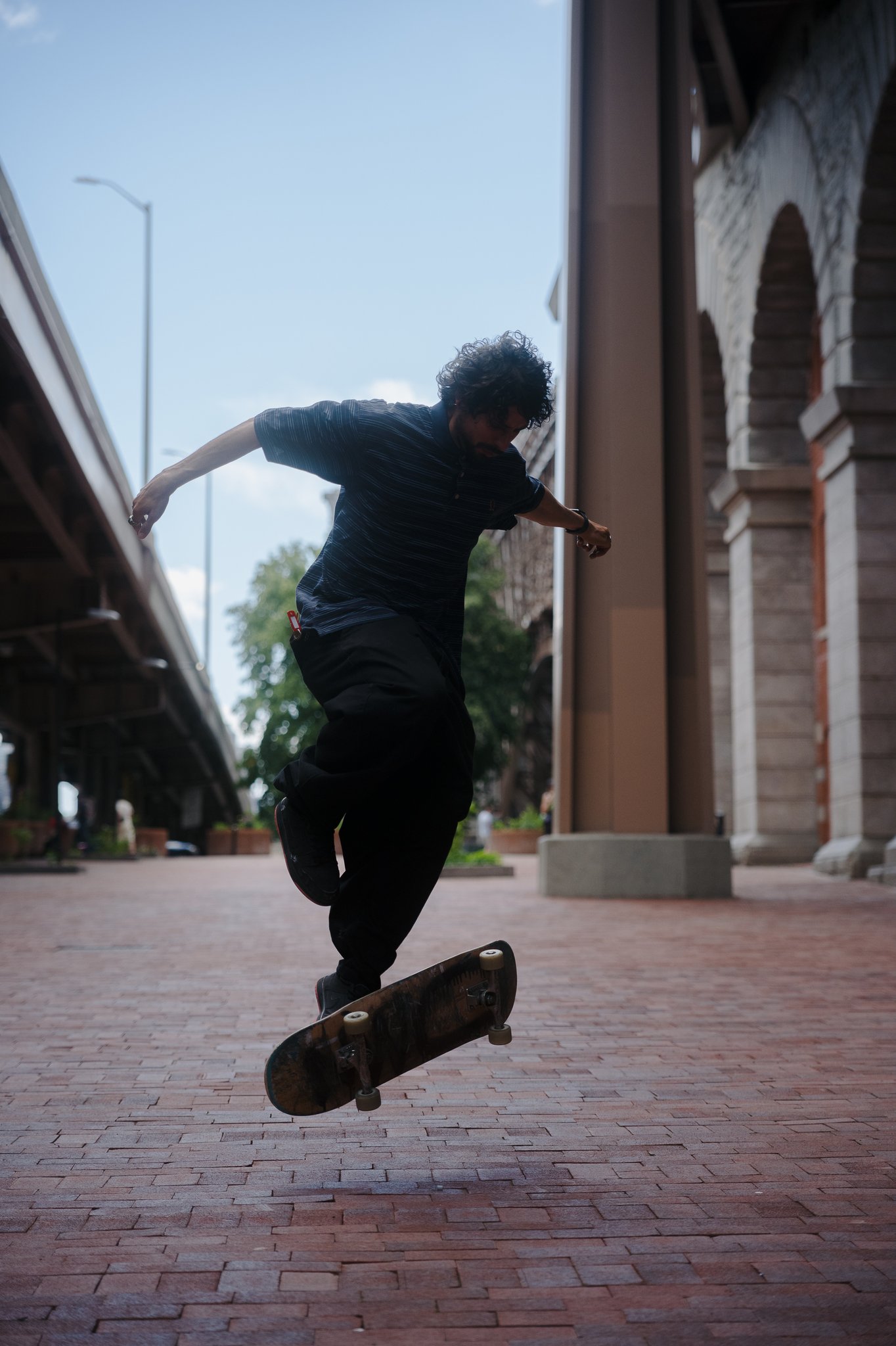
In New York, the autofocus performance was incredible, both in street scenarios and when we visited the Brooklyn Banks to photograph skateboarding. The autofocus worked. I cannot say this enough: it simply works. You do not need to dig into complex settings or understand exactly how it operates. It just works, with a few modes to move between. For modes, zones, and AFc or AFs, etc. The camera reads what you are trying to do, gives you a handful of options, and gets it right. The autofocus and the sensor readout are 156% faster than the SL3-S. I think that speed is why we never ran into a jello effect while autofocusing and firing the 40-frames-per-second burst you expect from an electronic shutter. We were photographing action and getting no distortion, which is absolutely incredible.
A Camera With a Soul
The SL system has always been a professional mirrorless camera with a soul. As I mentioned earlier in my anecdote about the SL 601, the SL camera has always taken a slightly different approach to a professional mirrorless camera. On paper, the SL has not always been the most impressive camera on the spec sheet, at least not in the past. But it has always been a camera you can pick up and connect with, unlike any other professional mirrorless body I have used in recent years. Not that those other cameras don’t do the job. They do. But there is something to be said for a tool you connect with and enjoy using, because it urges you to produce better work. That is exactly why I, and so many of the customers I have worked with, gravitate toward the M, the Q, and the previous SL cameras. They have a soul and they offer a different perspective on image making. These tools have a little extra something you connect with, something emotional almost. They do not drown you in menus or features. They give you exactly what you need, when you need it. The SL3-P is the epitome of that philosophy, inside and out.
Where It Sits in the Market
I could see the SL3-P being a great fit for anyone eyeing a Sony a1 II, a Canon R1, or a Nikon Z9. Those cameras sit in the same vein, and the SL3-P offers a similar, if not more well-rounded, optical menu through the L-mount. If you’re looking to use the best optics in the world and having a lot of options out there from third parties like Panasonic, Sigma, then the SL3-P is your foundation. If you’re looking for a system that has uncompromising versatility, then the SL3P option is your foundation. Beyond the L mount, M, and other manual and vintage lenses are a dream on the SL cameras and will behave beautifully on the SL3-P as they have on past SL cameras.
Come See It for Yourself
If you are interested in learning more about the SL3-P I can’t encourage you enough to come and try it for yourself in person. Drop us a line. Send us an email. Many of us at Camera West are SL photographers and have been for years and would be happy to walk your through experiencing the SL3-P for yourself. The SL3-P will be available body only at $6,690, or in three kit options: the Vario Kit with the 28-70, the Vario Kit with the 24-70, and the Vario Kit with both the 24-70 and the 70-200 f/2.8. We have cameras ready to ship today, June 25th, 2026, and we have cameras in store for you to experience for yourself. Visit our page all about the SL3-P to learn more and order yours.
Specs at a glance
- Mount: L-Mount
- Sensor: 44MP BSI-CMOS, Double Resolution (44 / 26MP)
- Multishot mode: 176MP
- Dynamic range: 14 stops
- ISO range: 50 to 200,000
- Sensor readout: 39.6 ms (14-bit), 20 ms (12-bit), the fastest of any Leica to date
- Autofocus: PDAF, Contrast AF, Object Detection AF, 819 AF points with machine learning tracking
- Burst speed: 40 fps with full AF support
- Video: 8K Open Gate, 8K HDMI-RAW, 6K, 60p, 4K/120p, 5.8K ProRes, anamorphic support
- Content Credentials: Yes, without restrictions
- Build: Full metal body, IP54 weather sealing, Made in Germany
- Design: P-Design, no red dot, all-black buttons