


In this episode, Carlo covers 3 iconic Leica 35mm f2 Summicron lenses ranging from vintage, modern, and high performing in a side by side comparison to determine which lens is right for you!
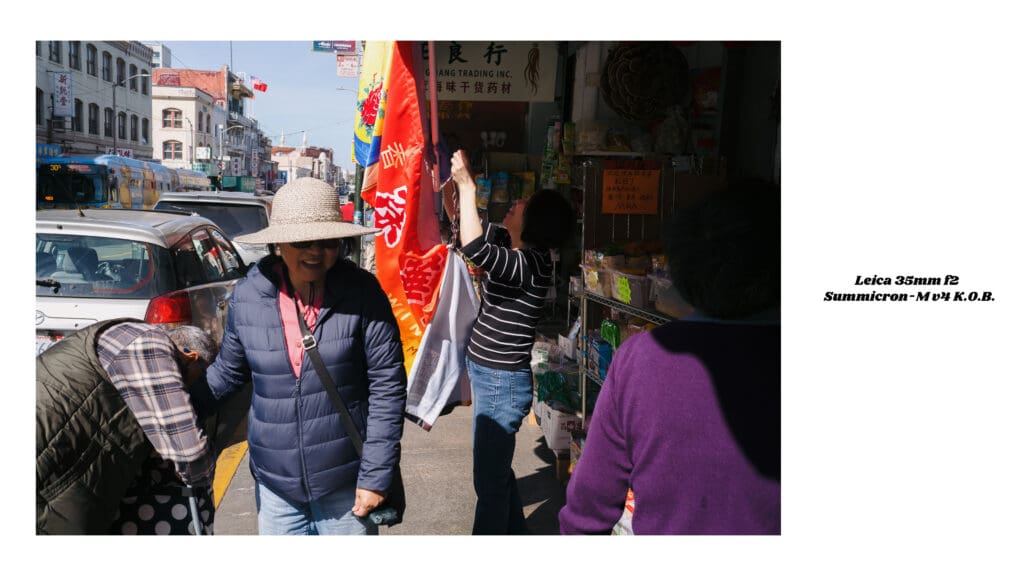
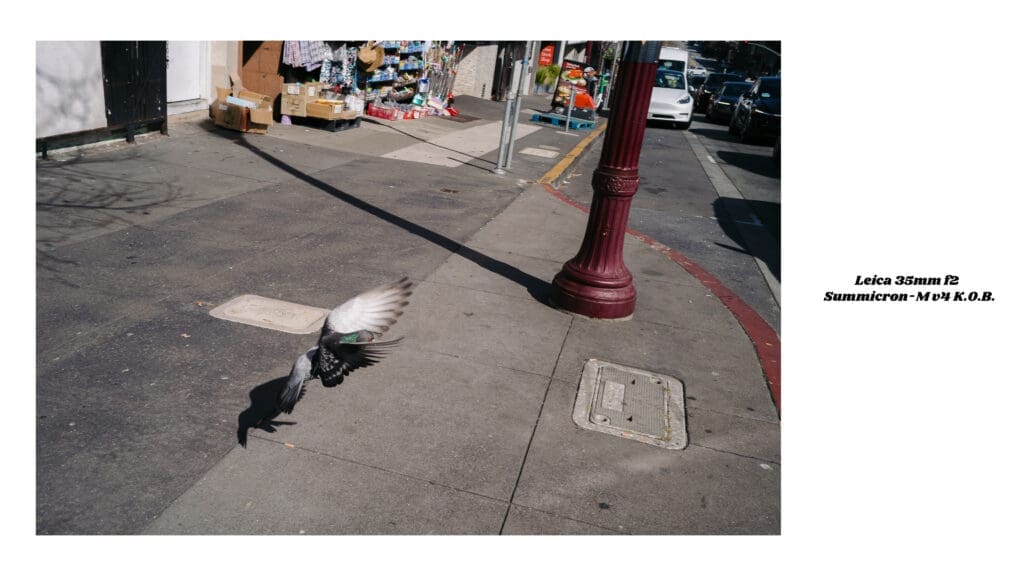
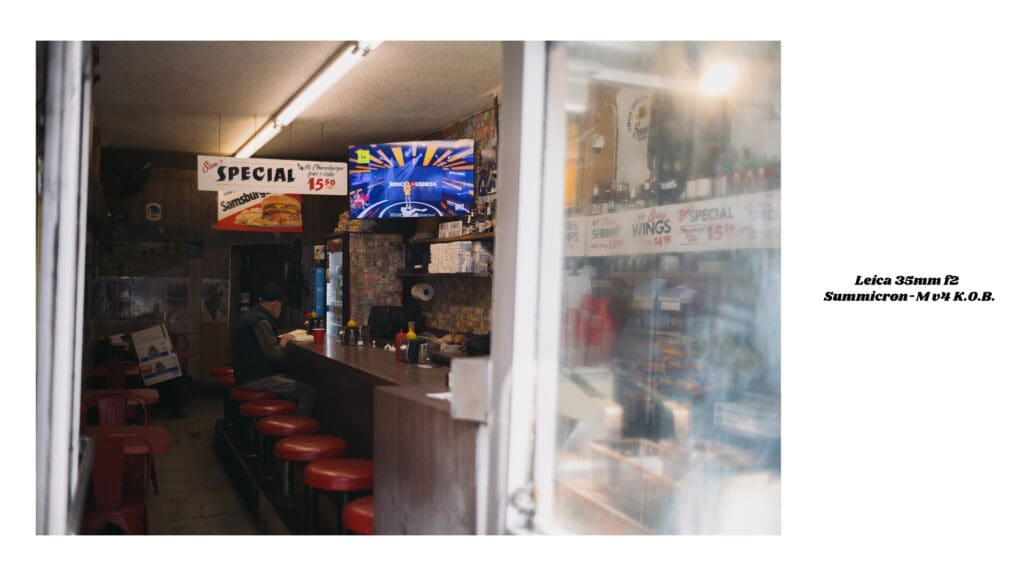
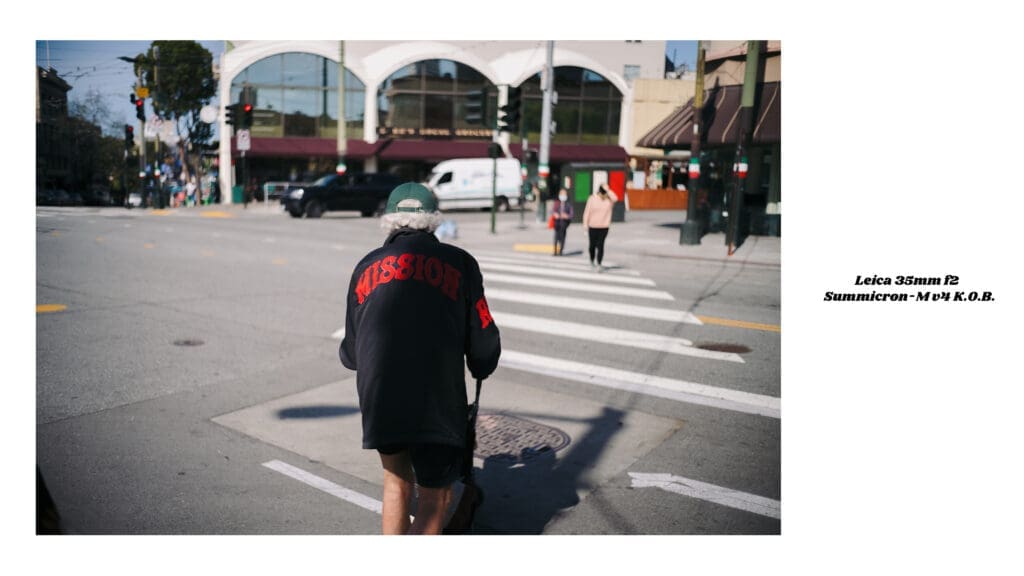
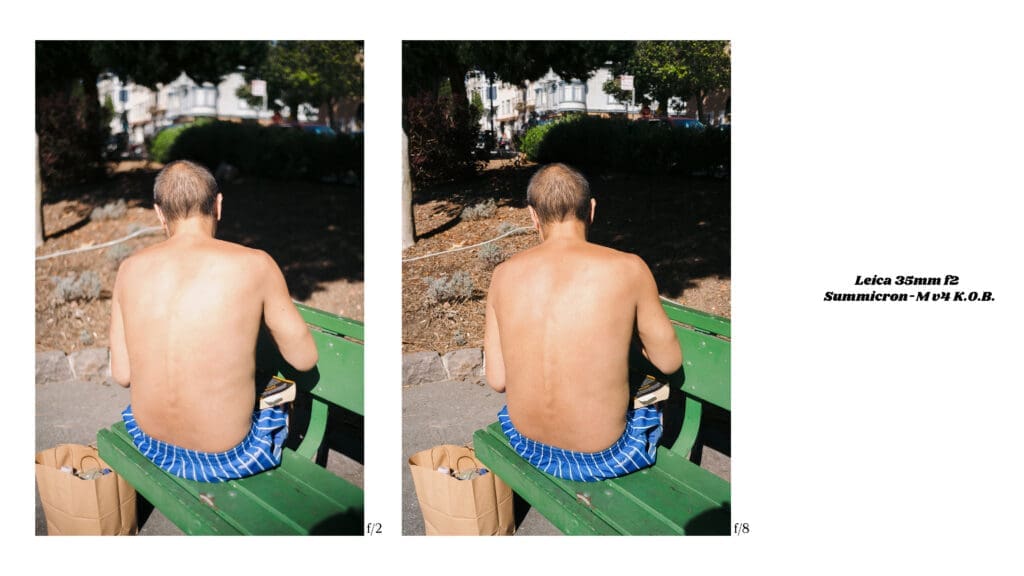
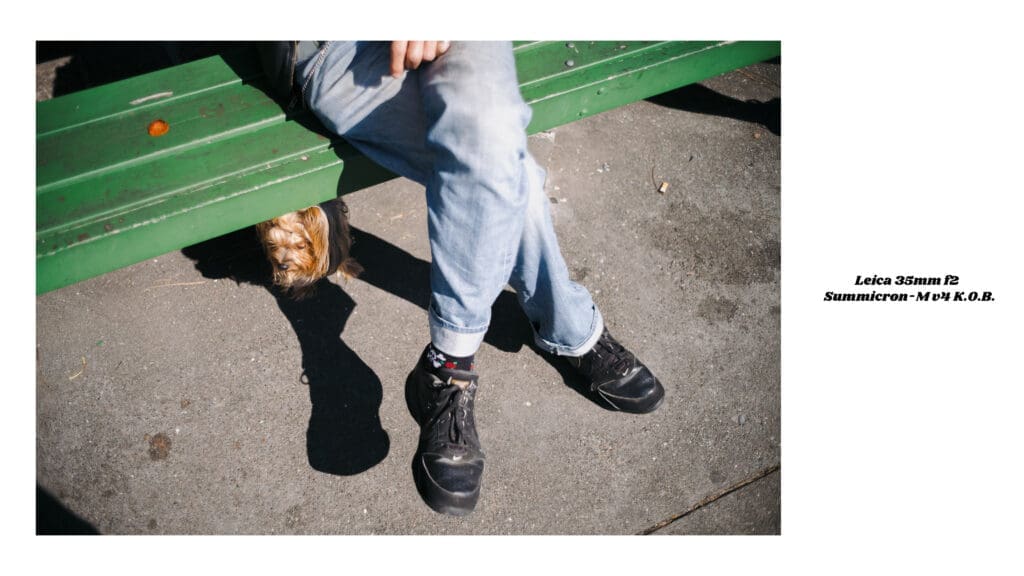
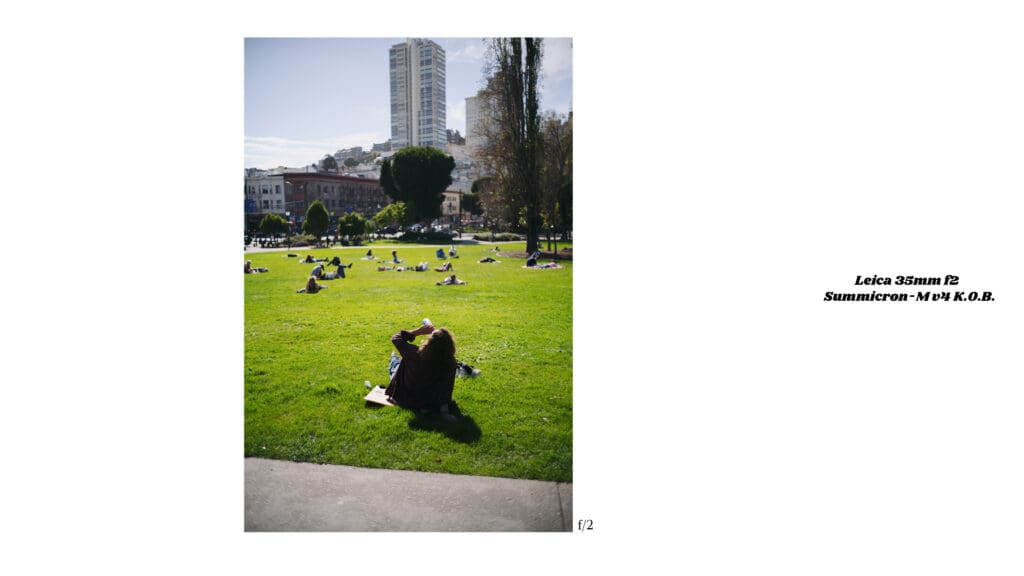
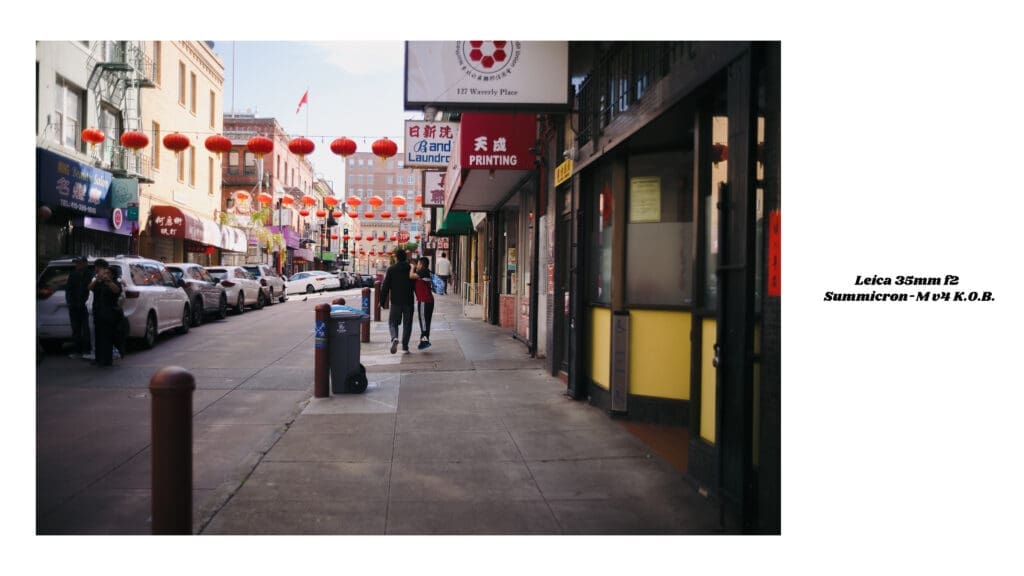
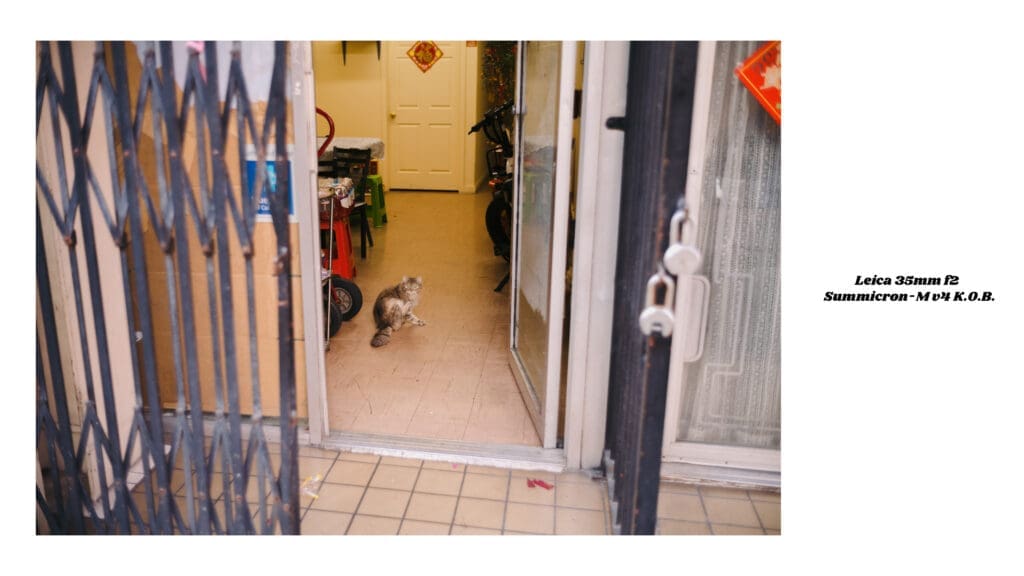
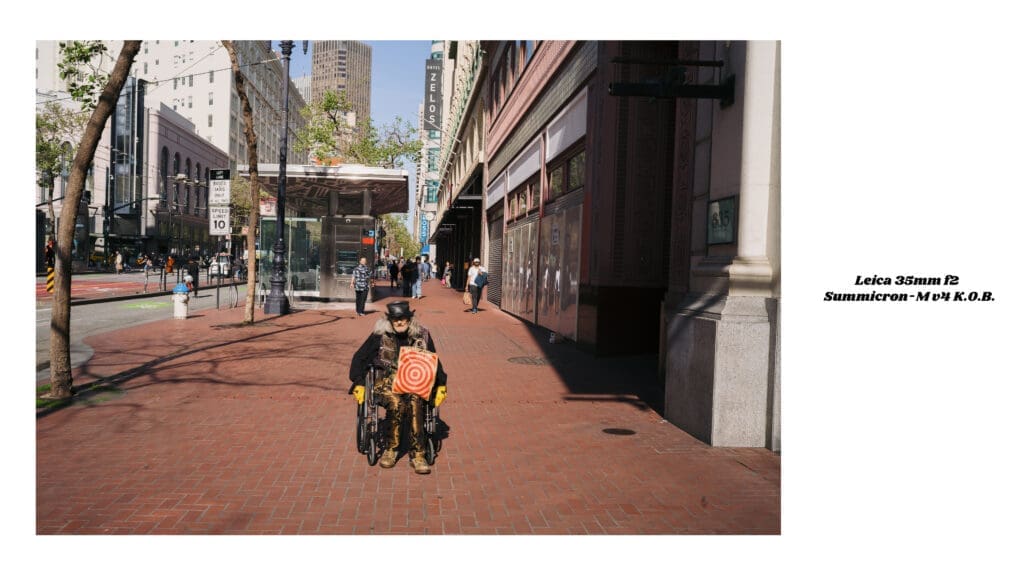
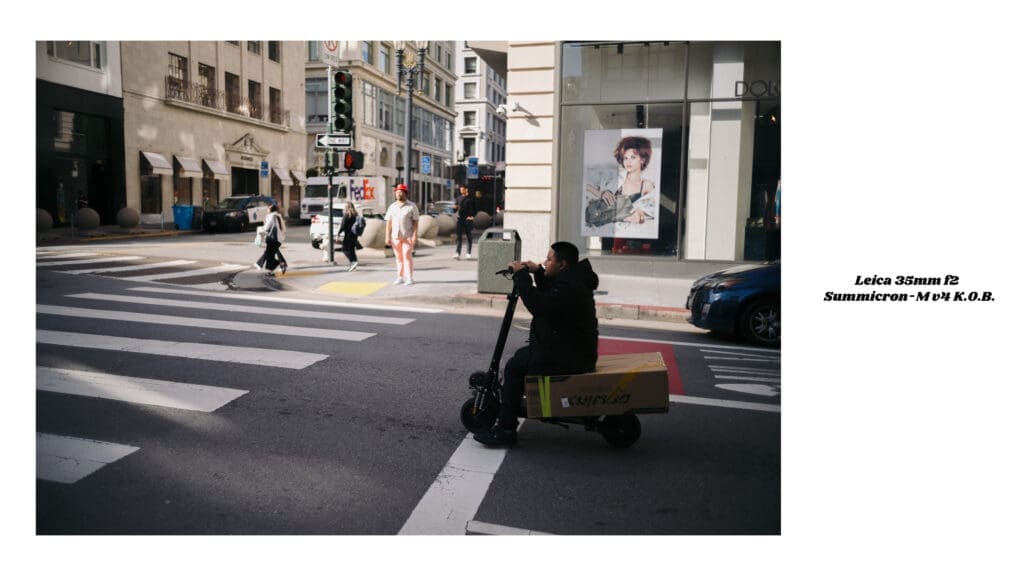
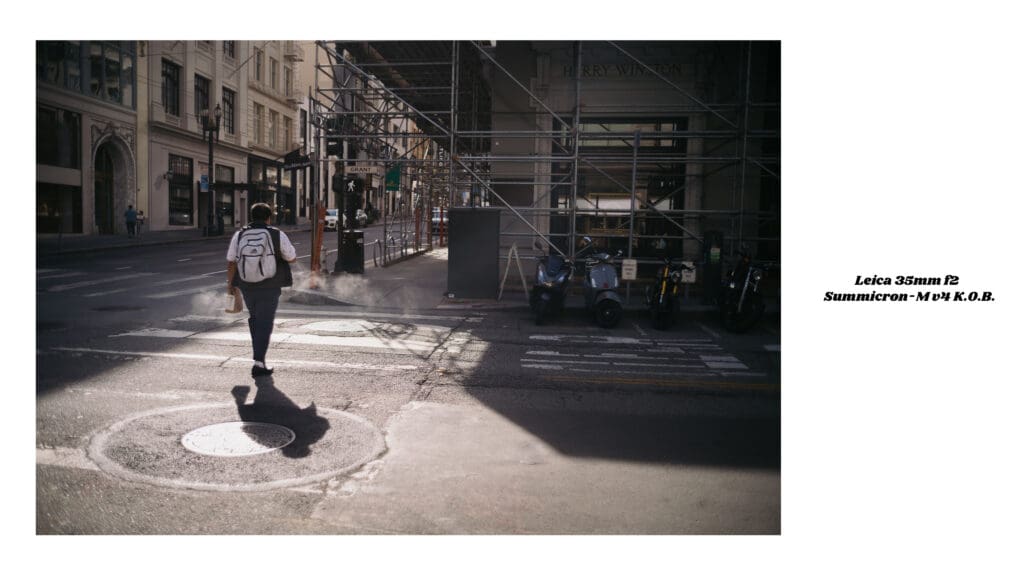
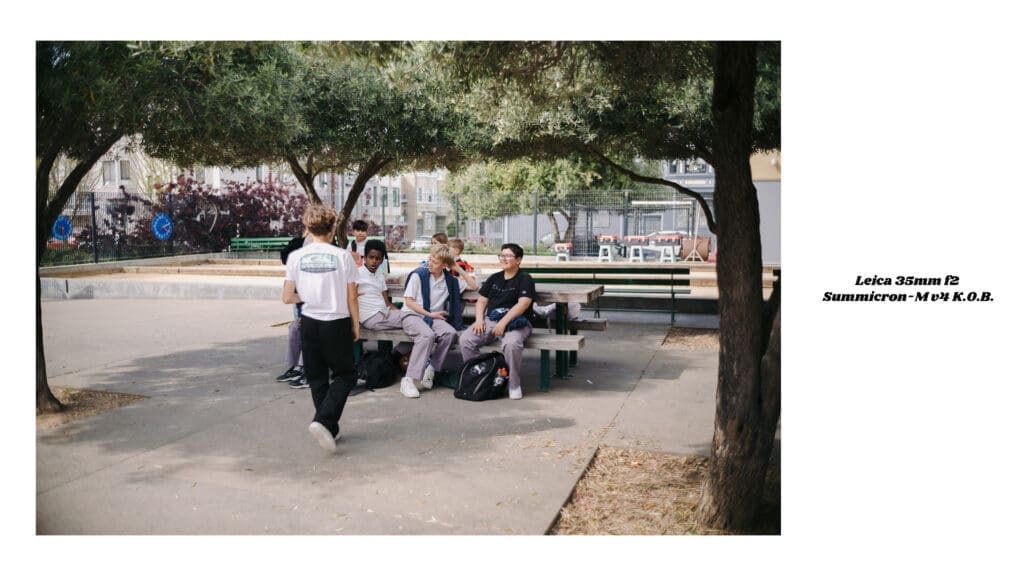
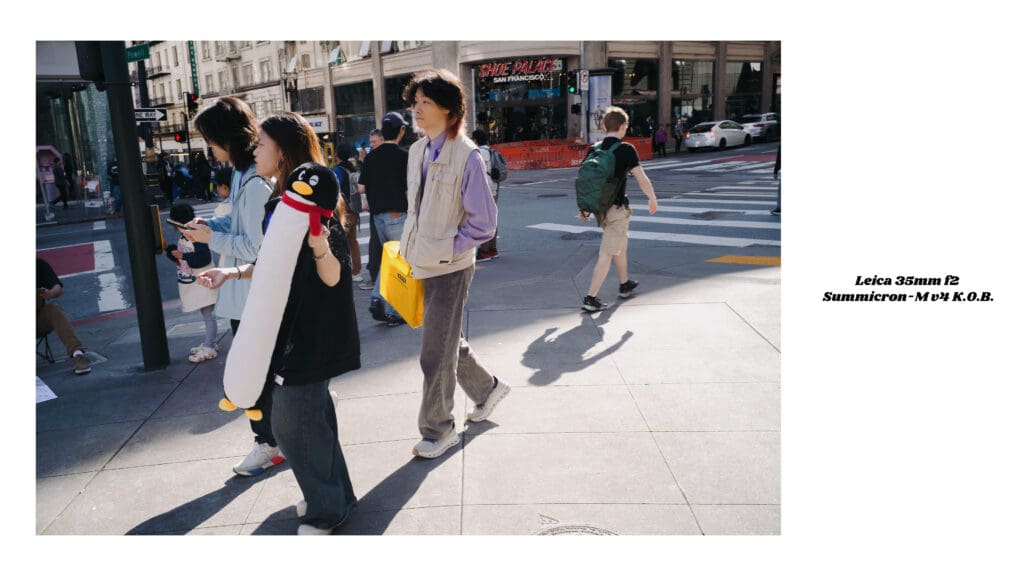
The Leica 35mm f2 Summicron-M Version 4 “KOB” [11309]: 1979 – 1996

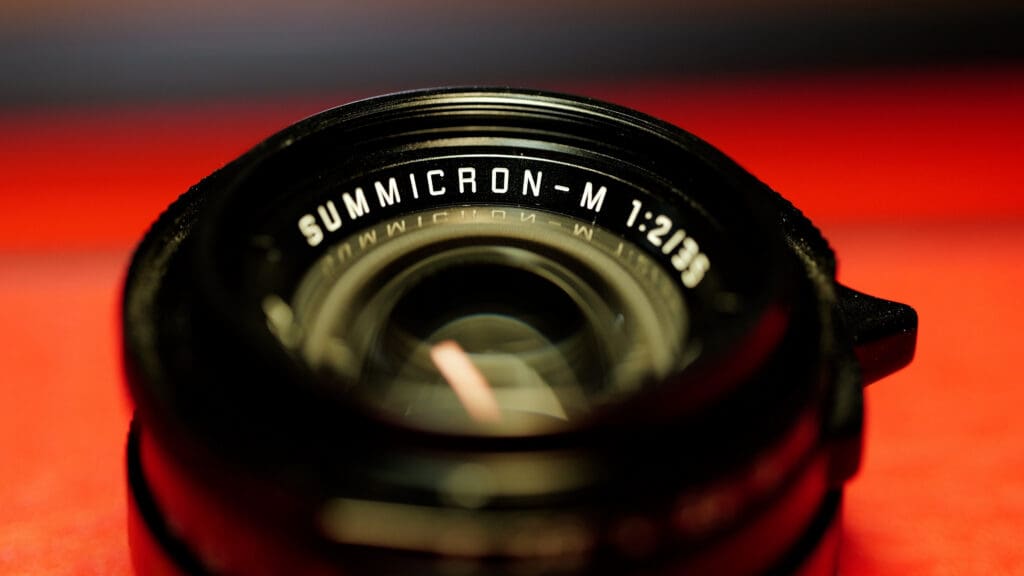
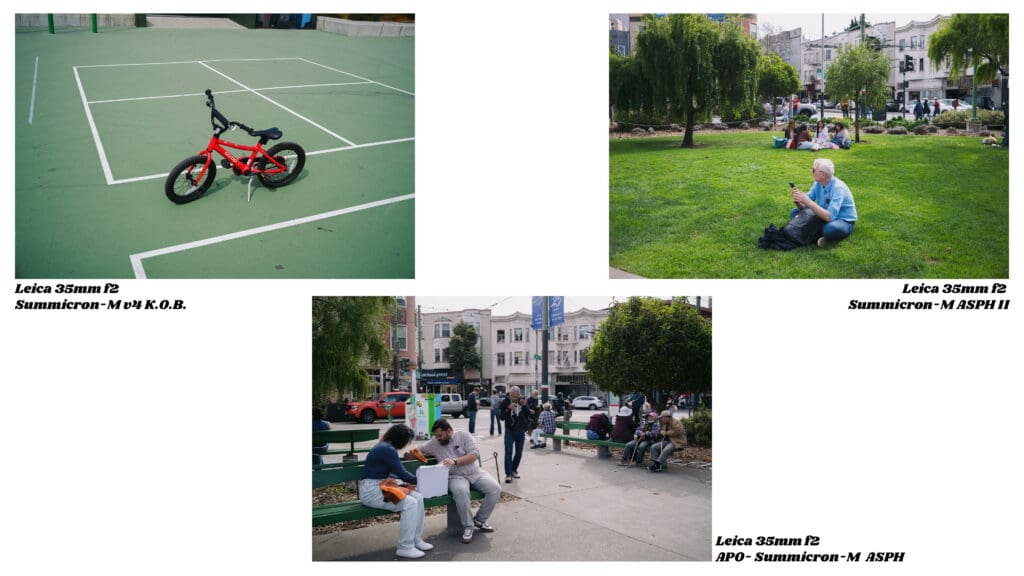
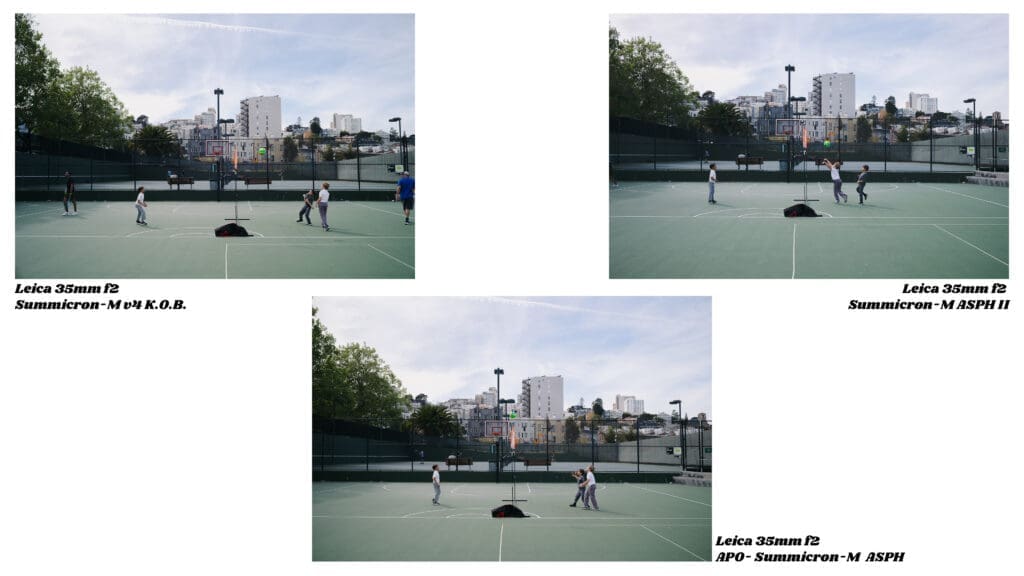
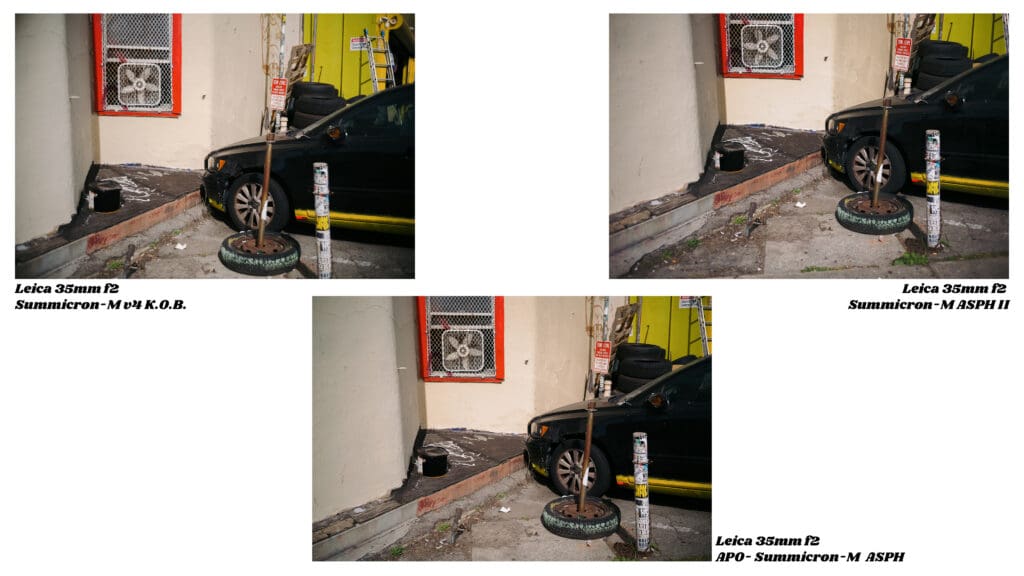
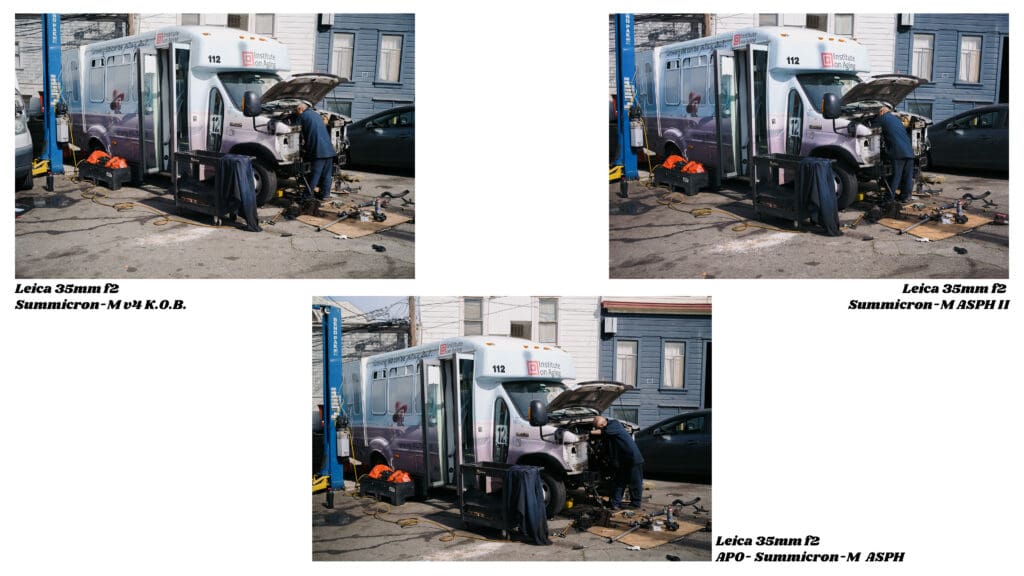
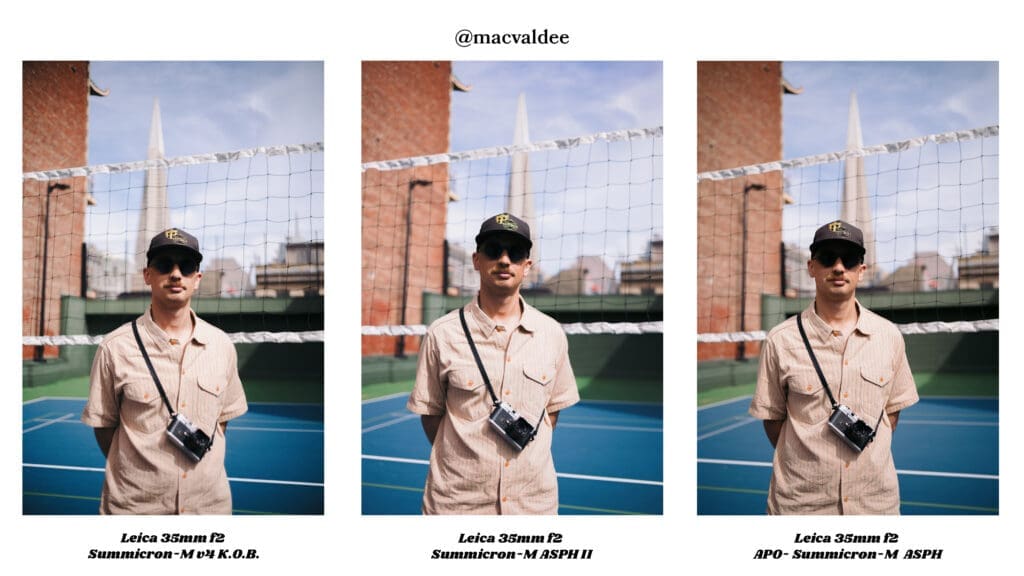
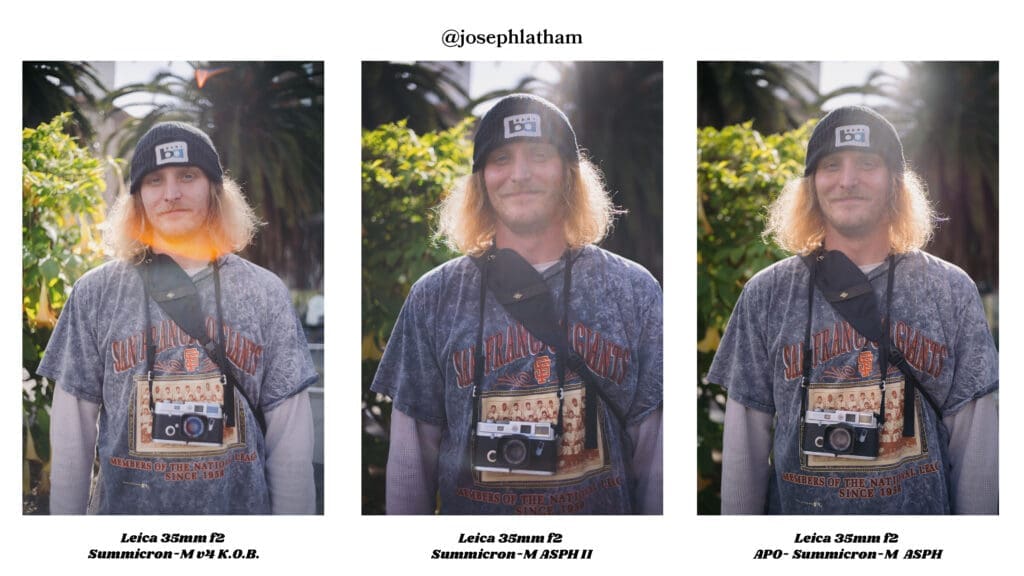
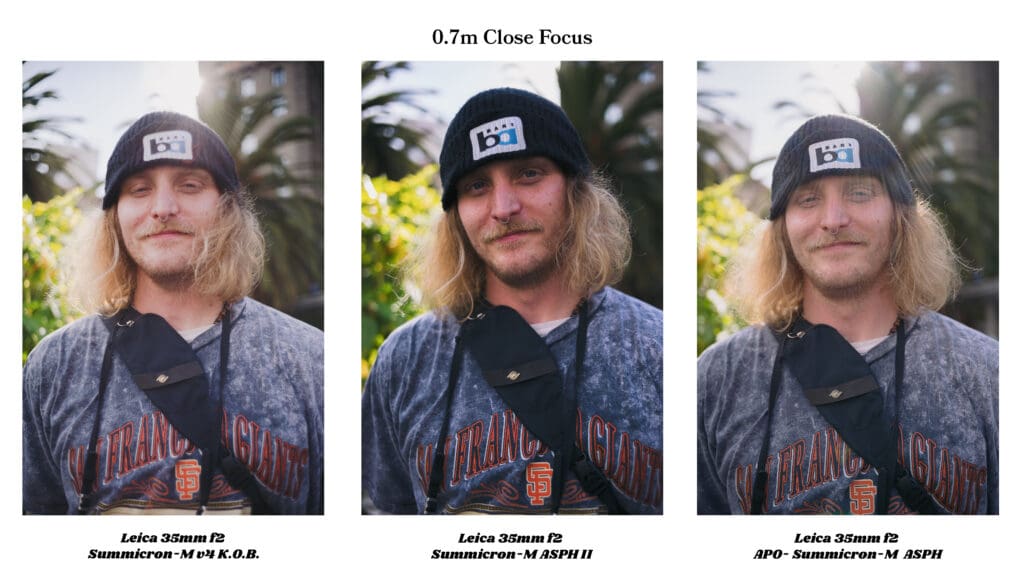
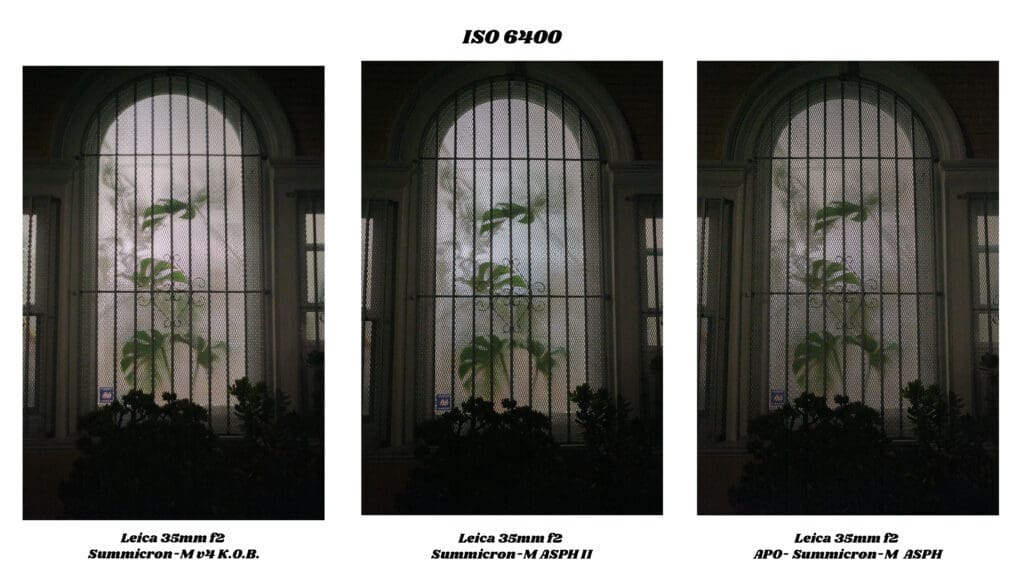
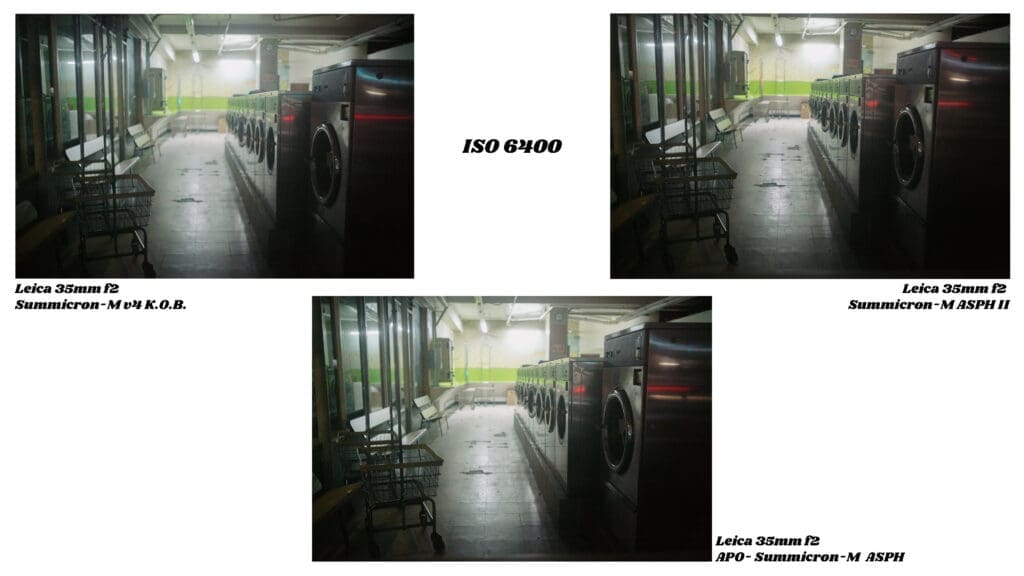
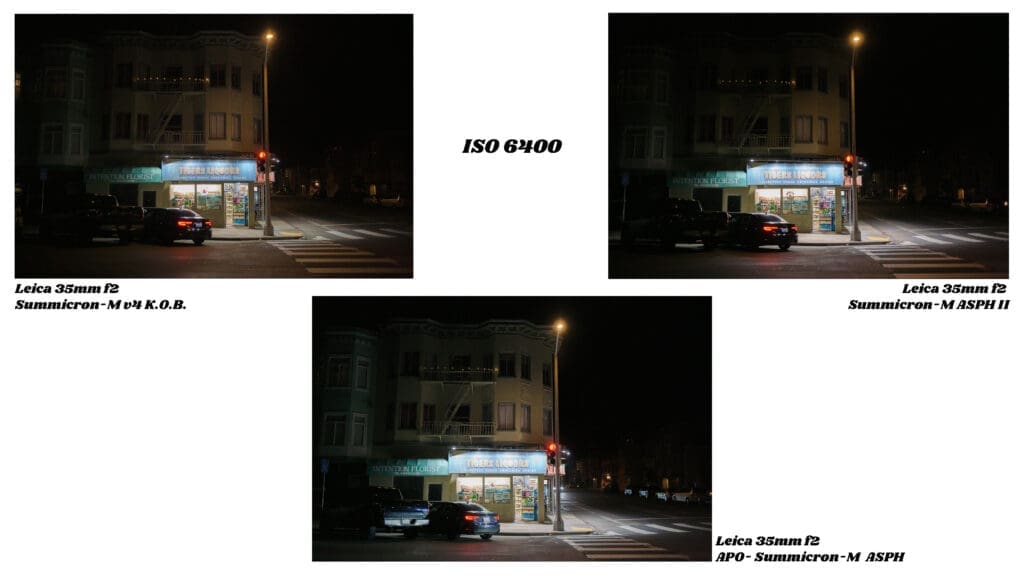
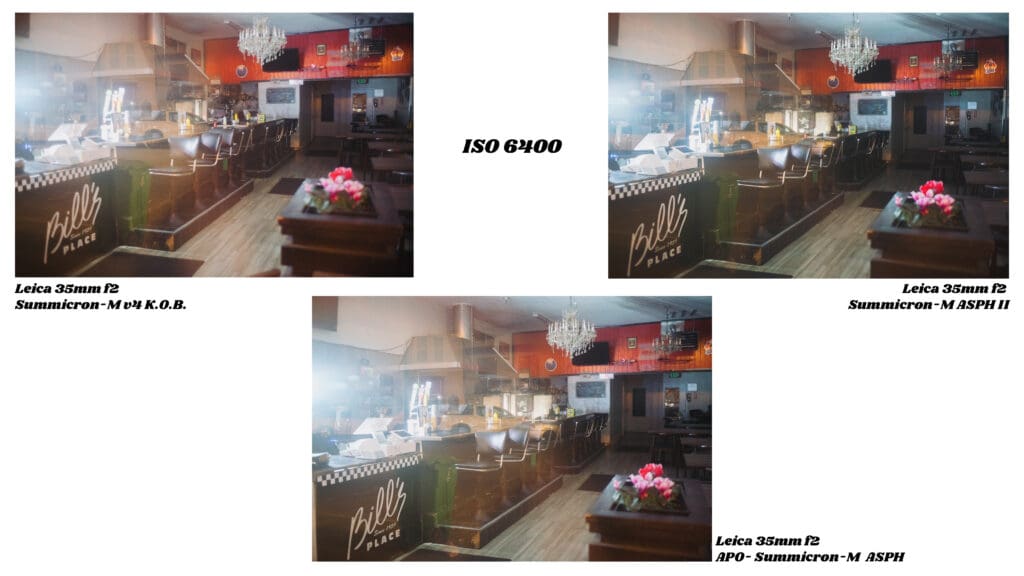
Designed by Walter Mandler, the v4 Summicron was the final version of the non aspherical 35 summicrons. Wide open, this lens has medium contrast, crisp definition of fine details, a smooth transition from sharp to unsharp areas and blurred patches in the background and vignetting. The rendering results in a unique signature in the out of focus areas. This lens was dubbed the “Bokeh King” in a 1997 lens review by Mike Johnston in Photo Techniques magazine. Since then, the title “King of Bokeh” has been associated with and defined the version 4 summicron.
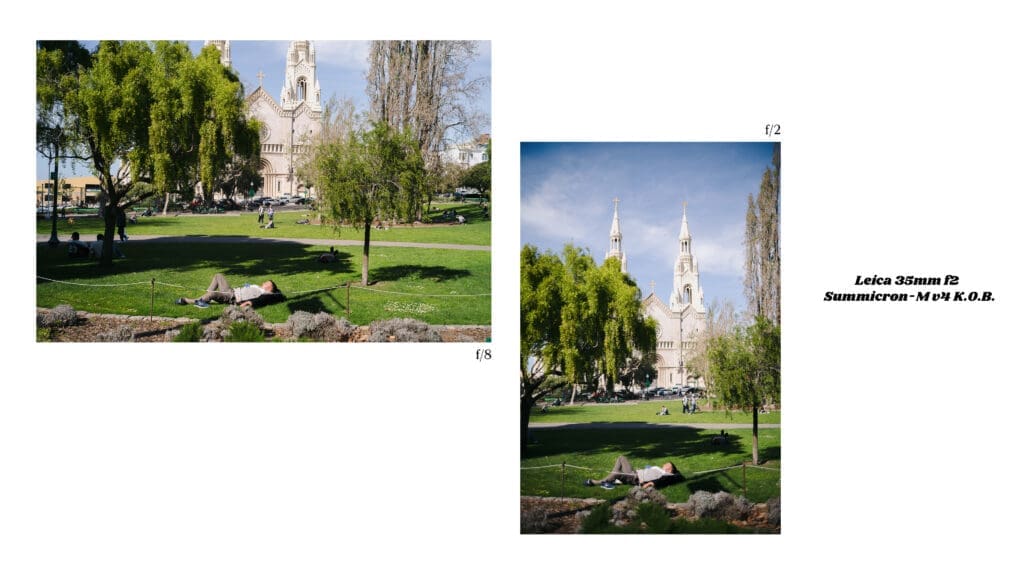
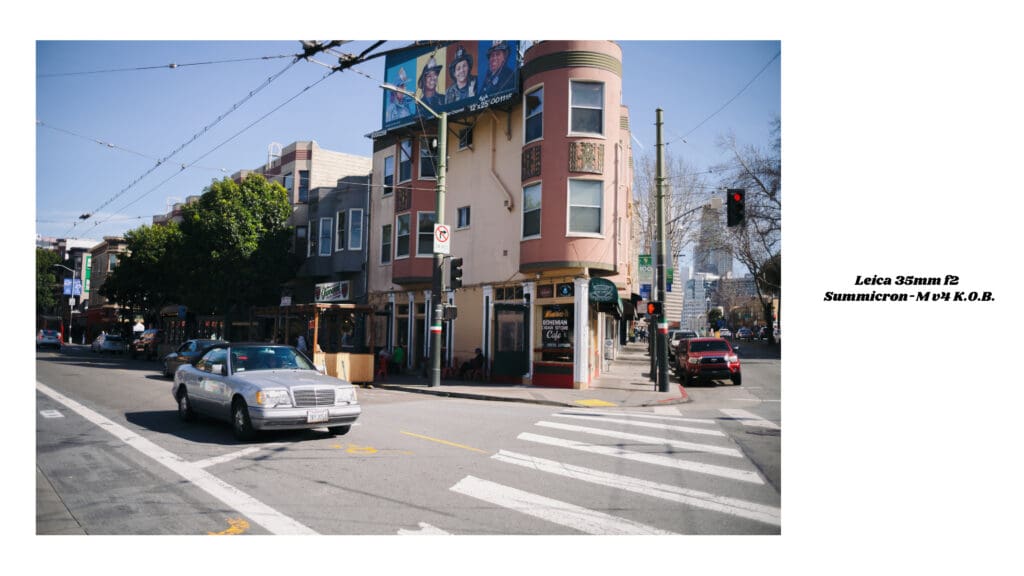
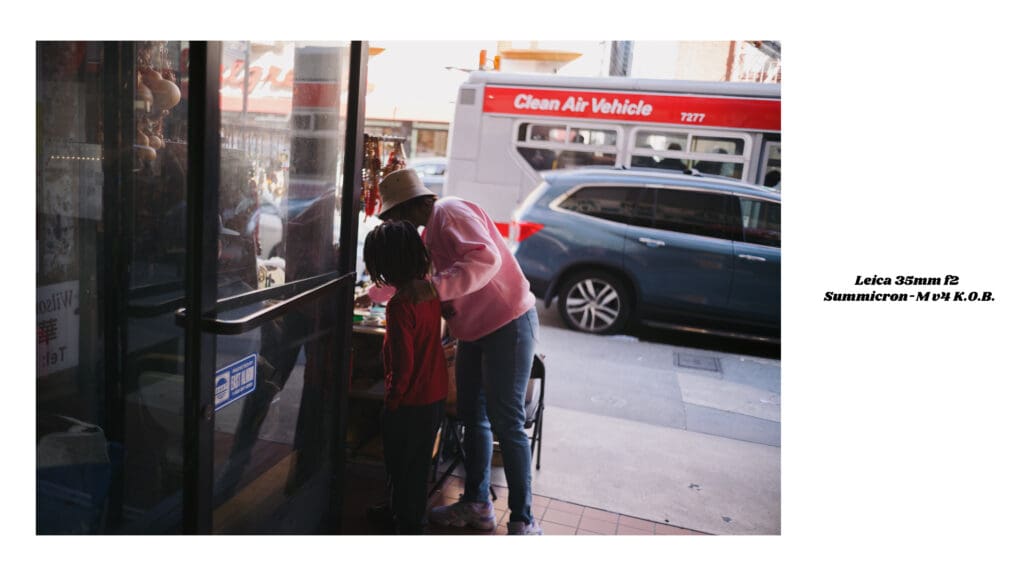
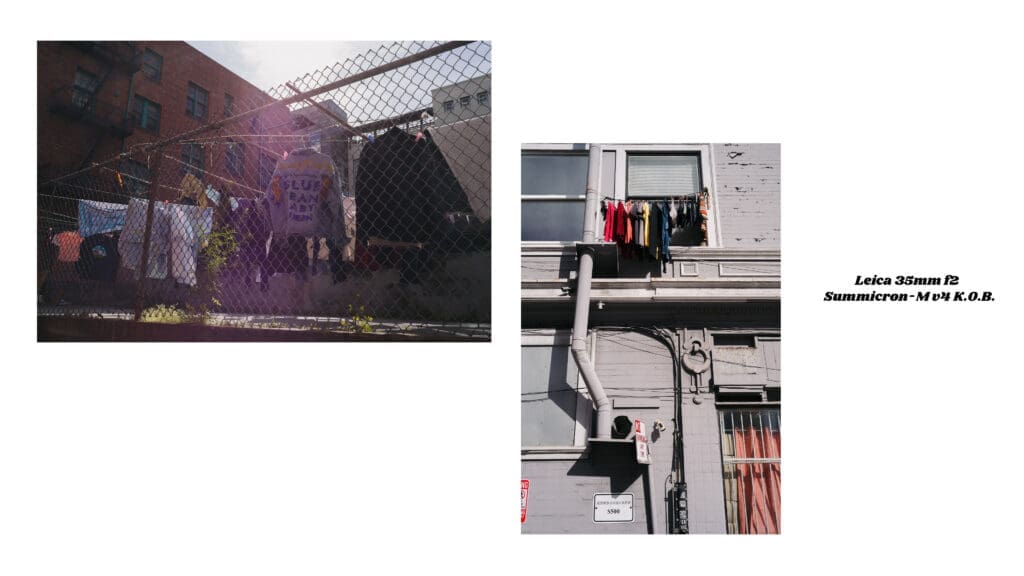
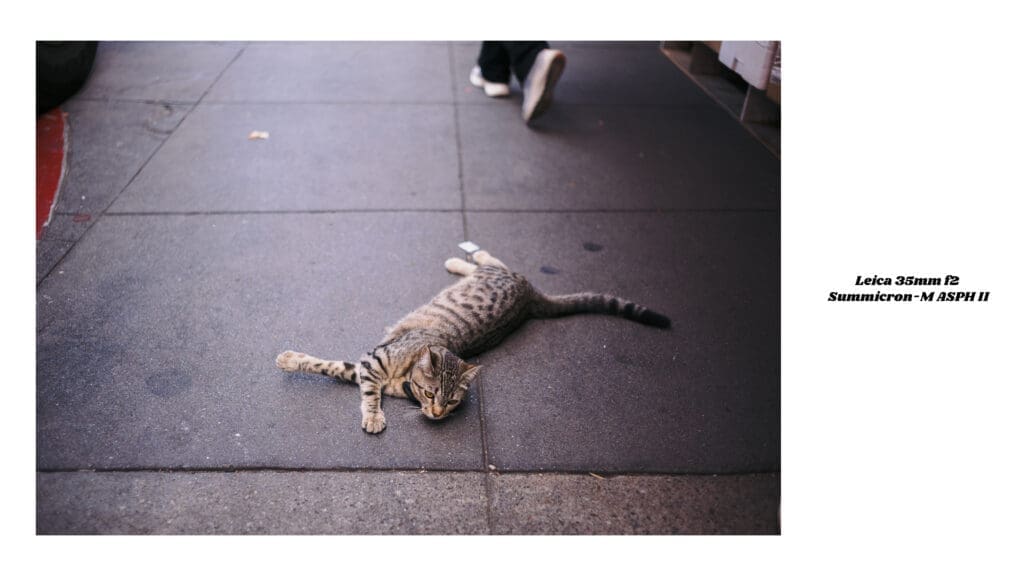
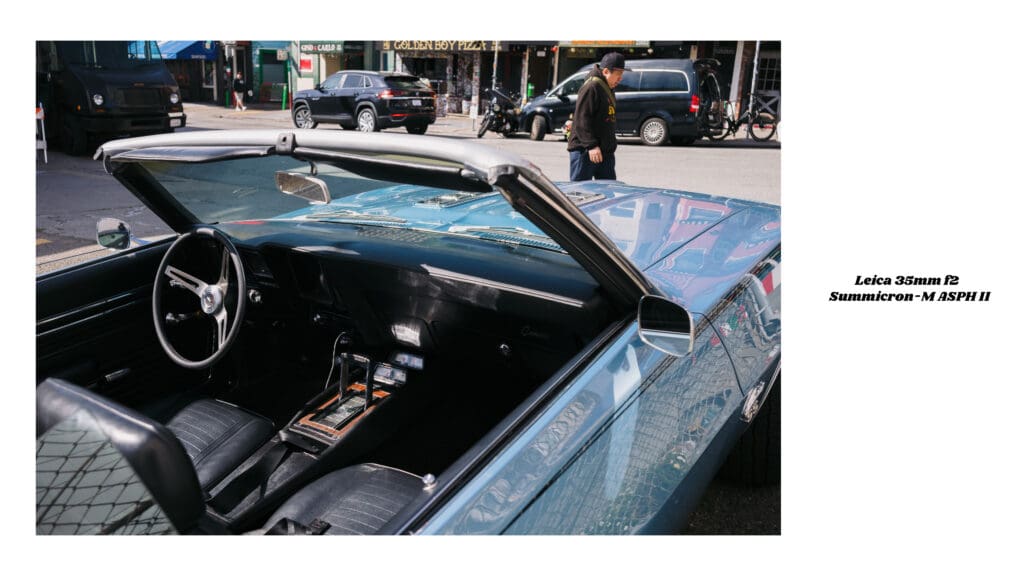
The Leica 35mm f2 Summicron-M ASPH [11879 & 11673]: 1996 – Current
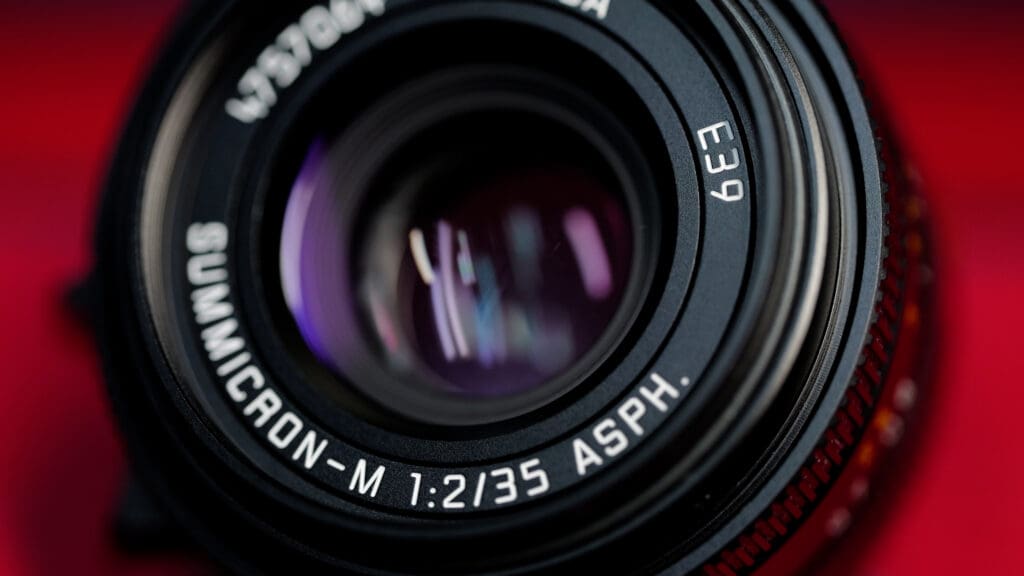
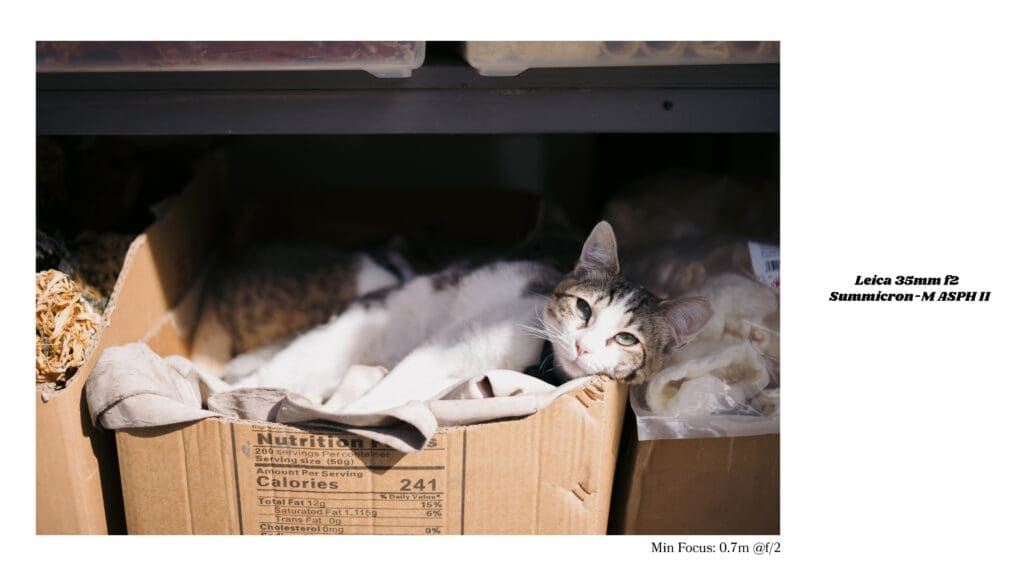
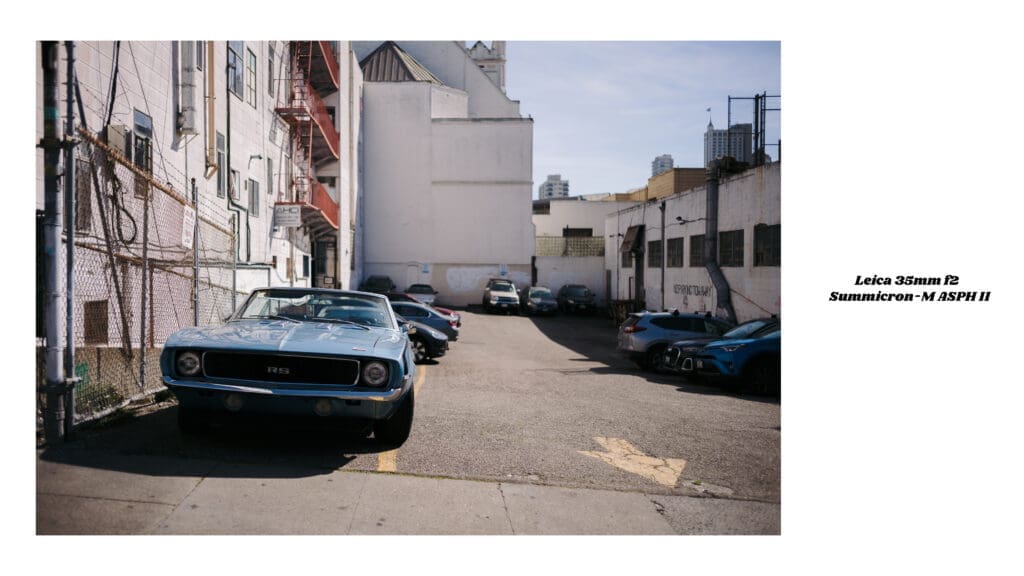
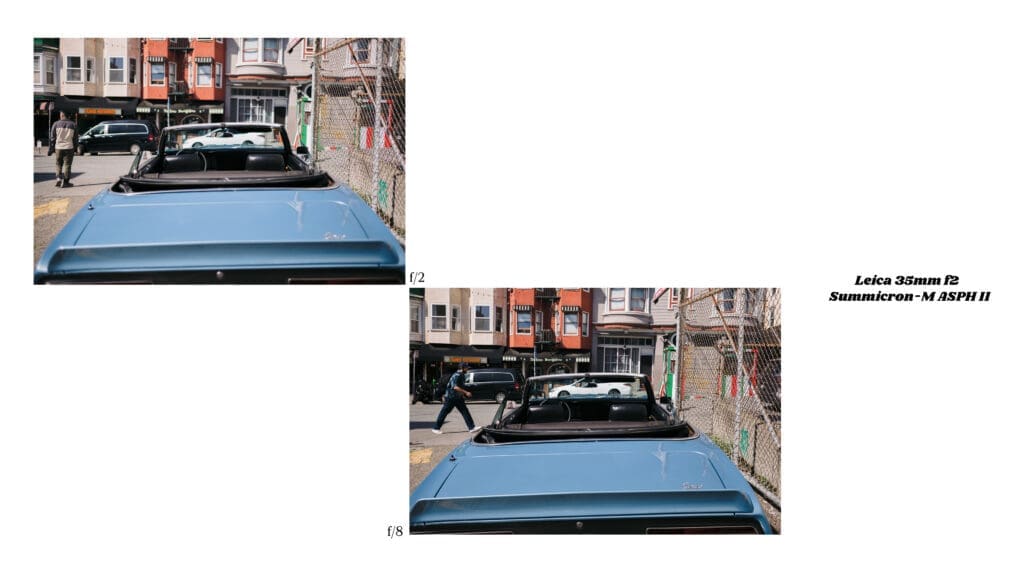
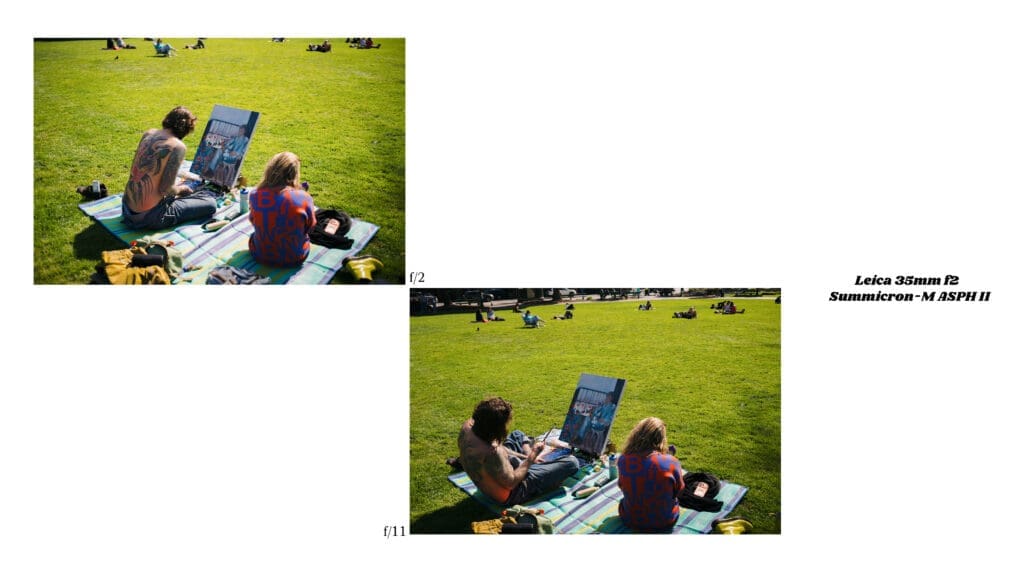
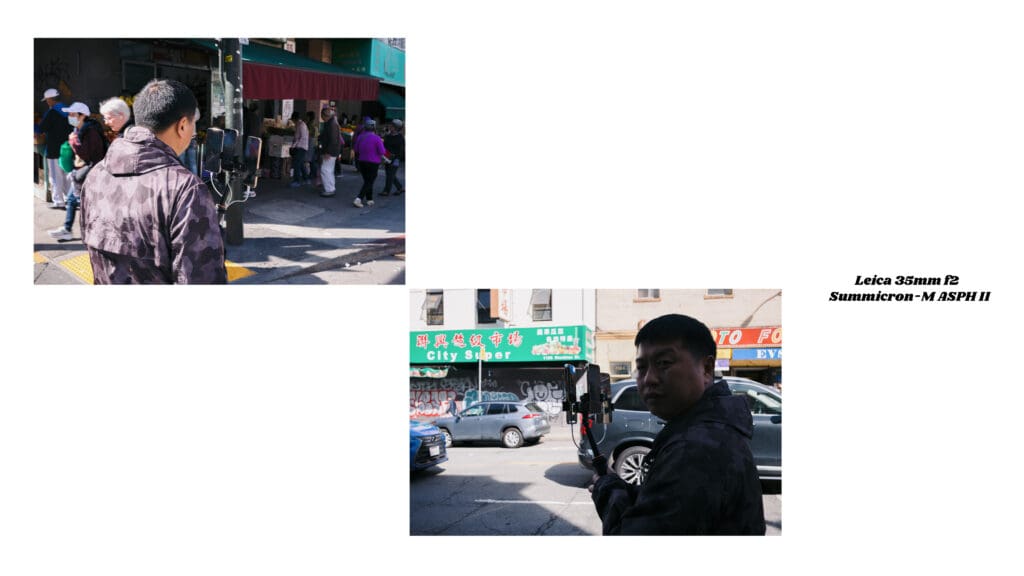
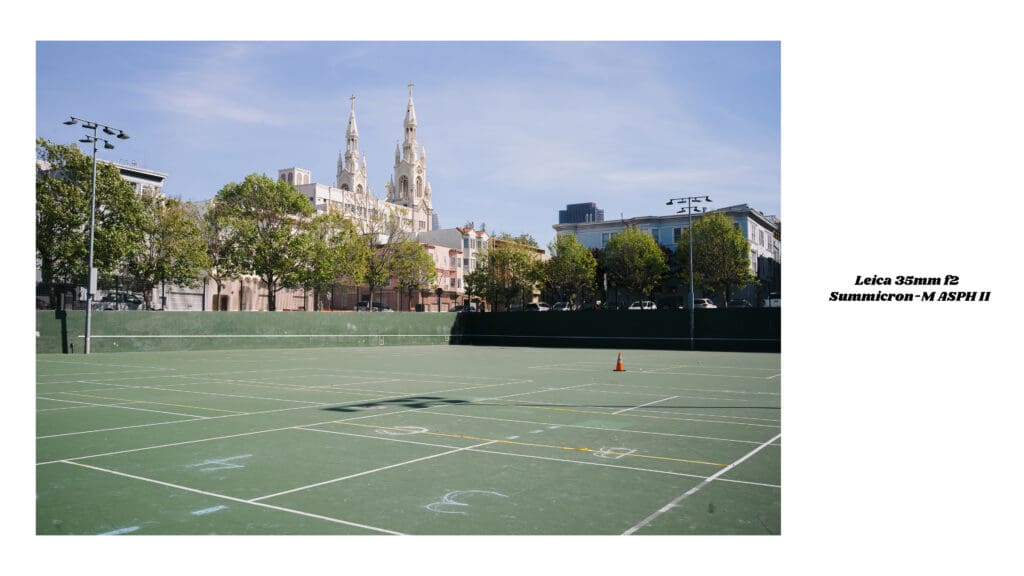
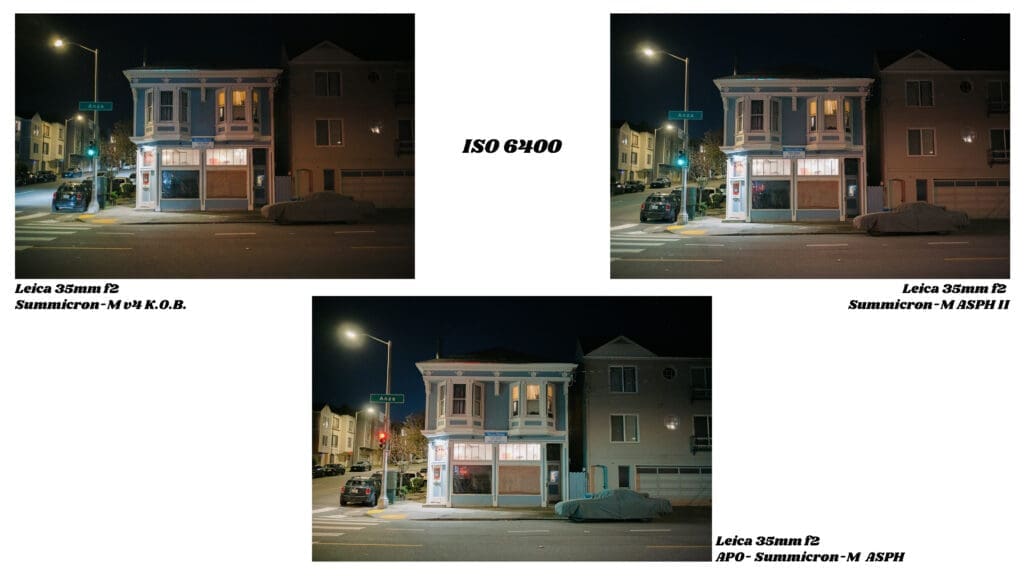
The ASPH Summicron deviated from traditional constructions by introducing an inward curving front element and blank pressed molded asphere which offered significant improvements over the classic Double Gauss design. Wide open, the ASPH has higher contrast and less vignetting than the V4 KOB while producing crisp definition of fine details over the image area and smooth transition to the out of focus areas. The second iteration added additional aperture blades for a smoother quality to the out of focus areas, screw in metal lens shade, updated coatings, and were optimised for high resolution sensors. It should be noted that Peter Karbe was on the optical design team at the time but not yet leading it.
ASPH II
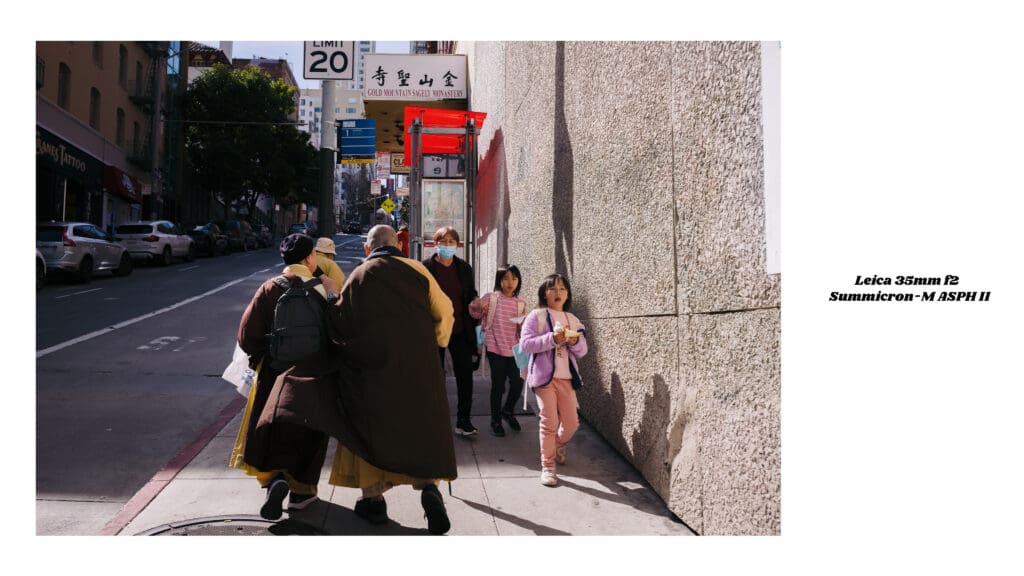
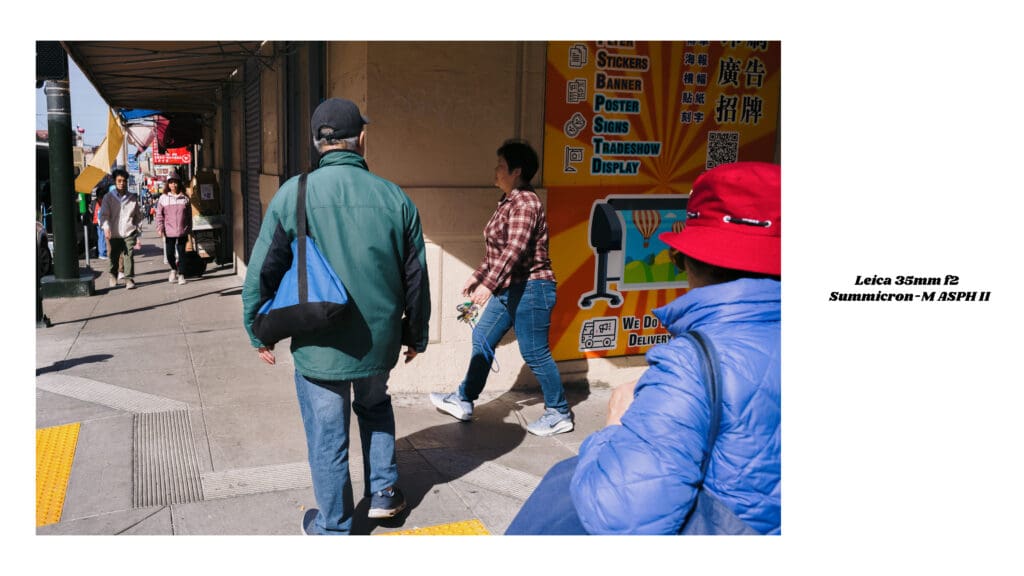


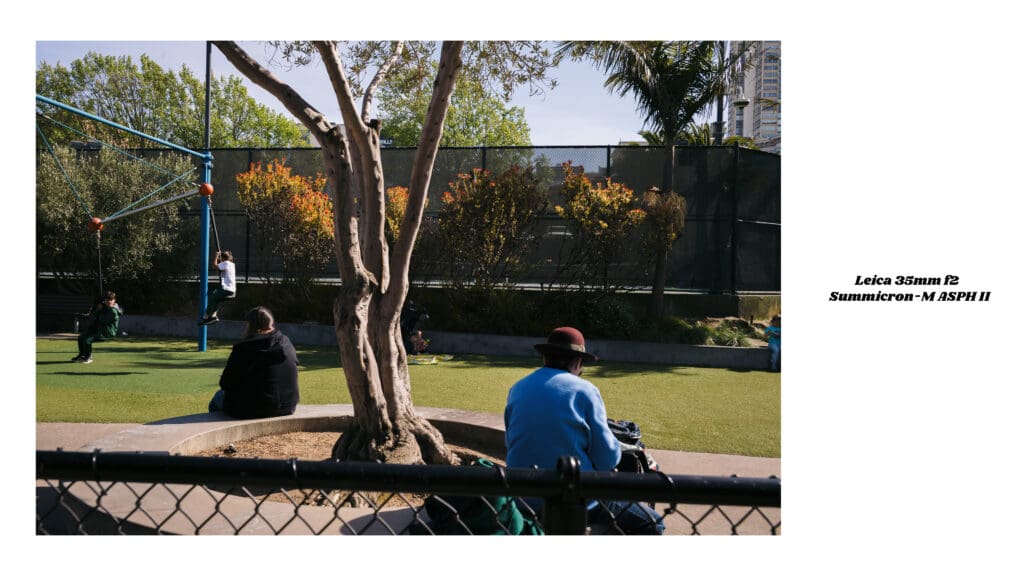
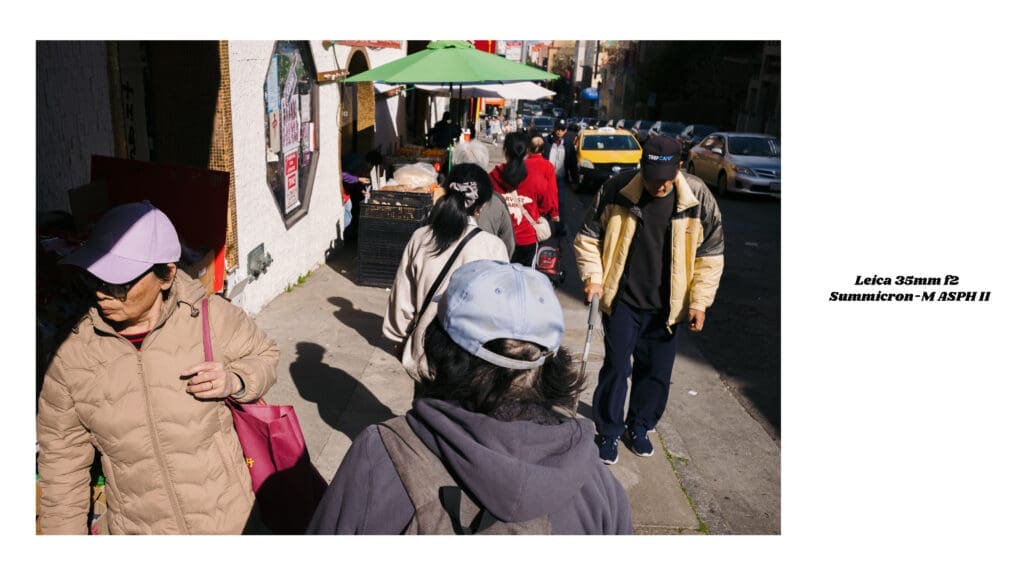
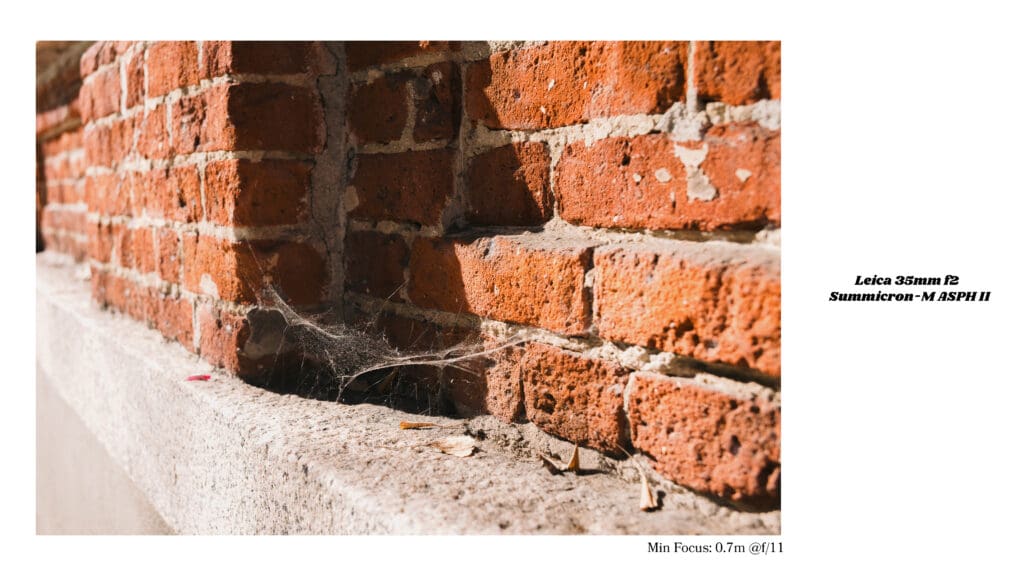

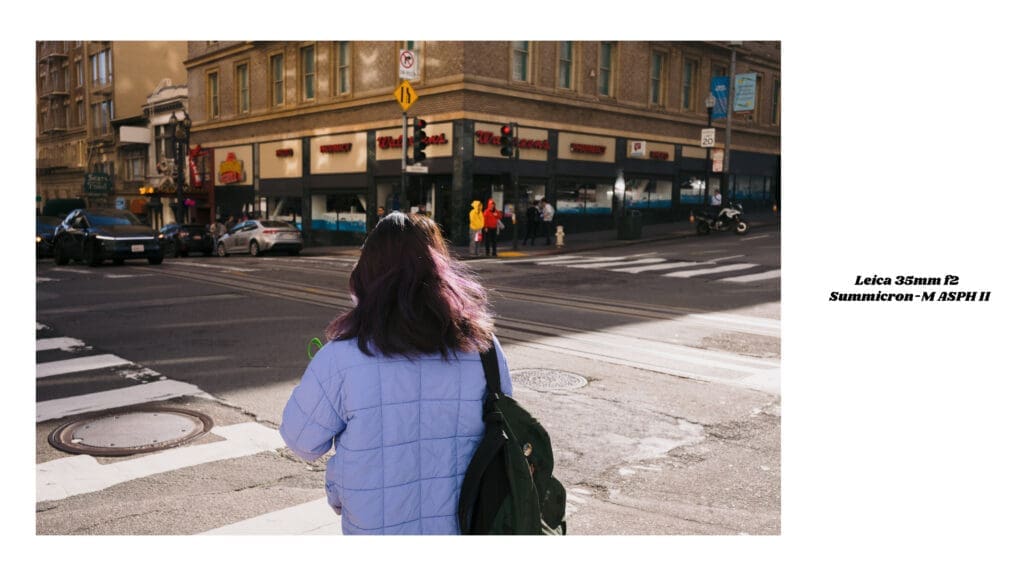
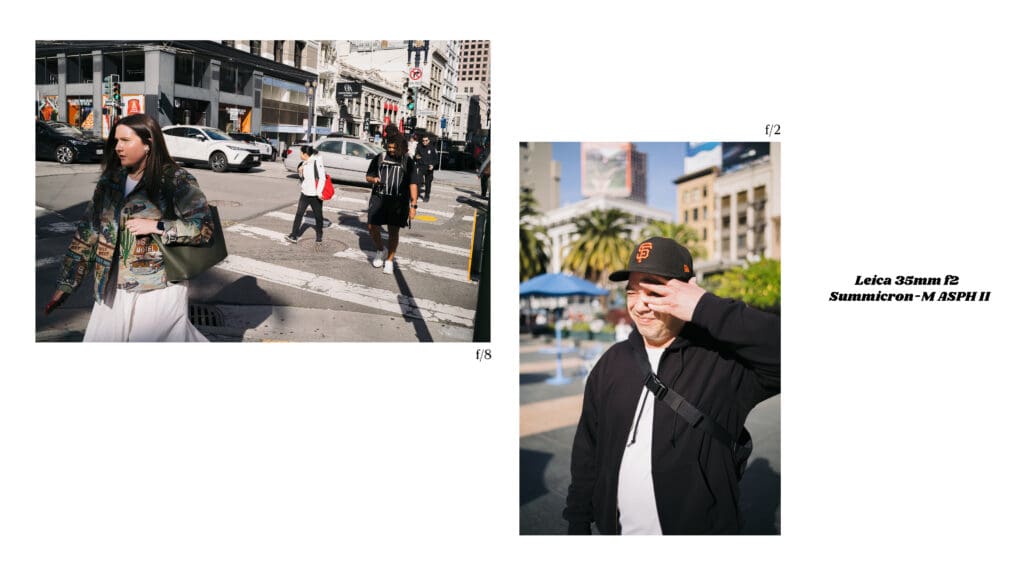
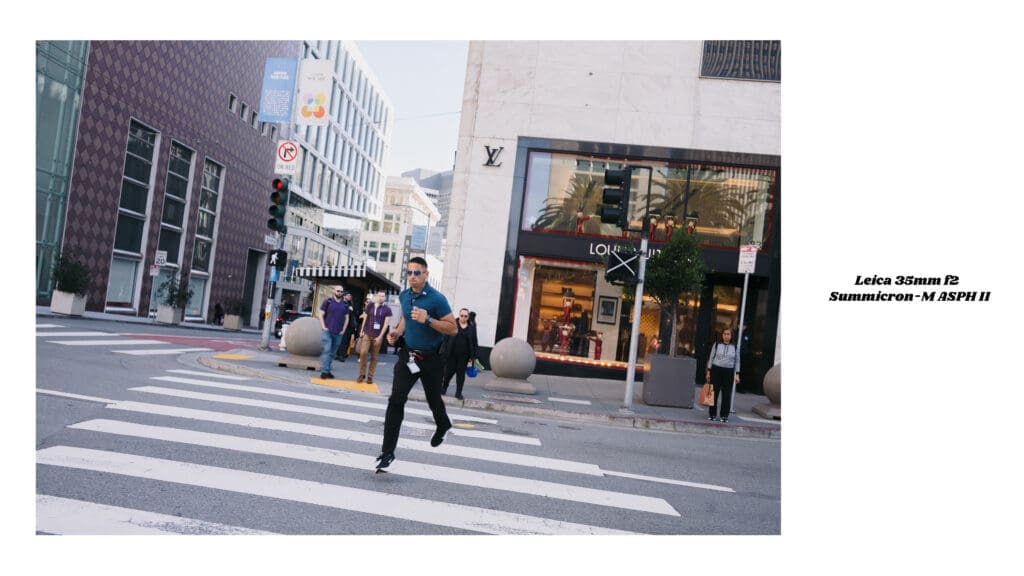
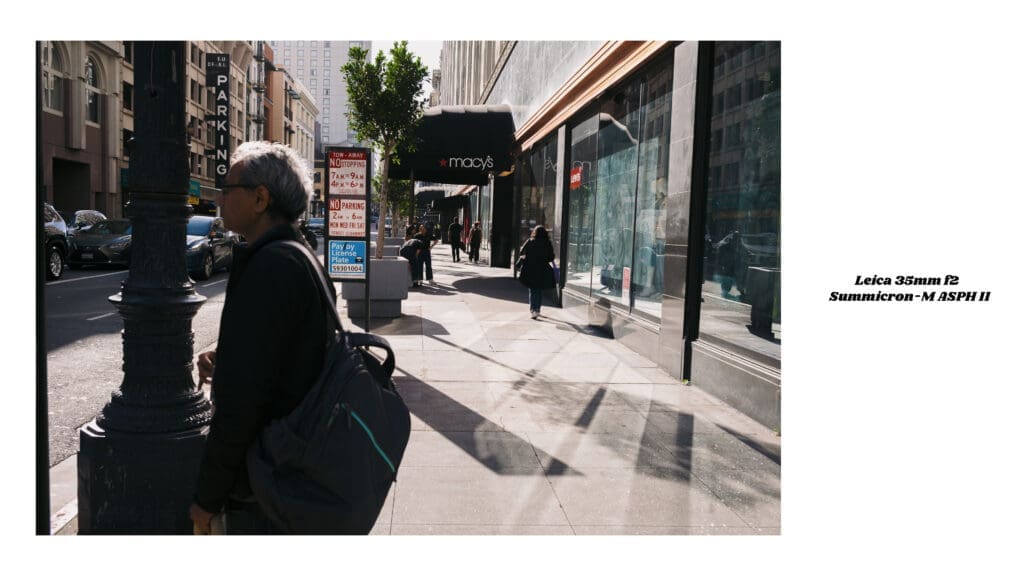
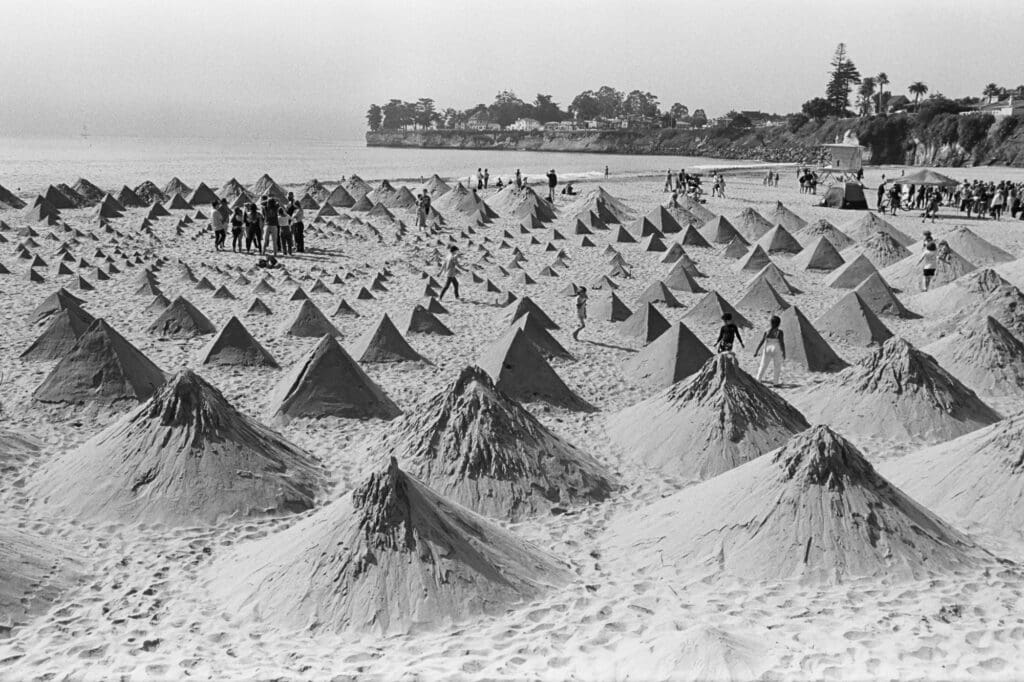
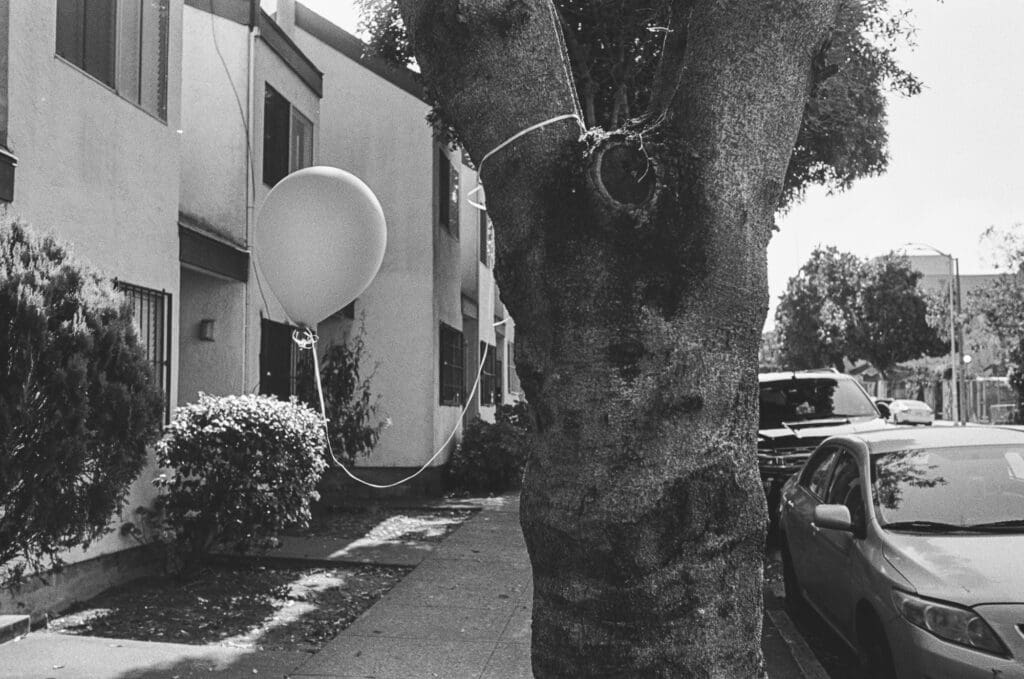
ASPH I – Marcus Valderrama @macvaldee
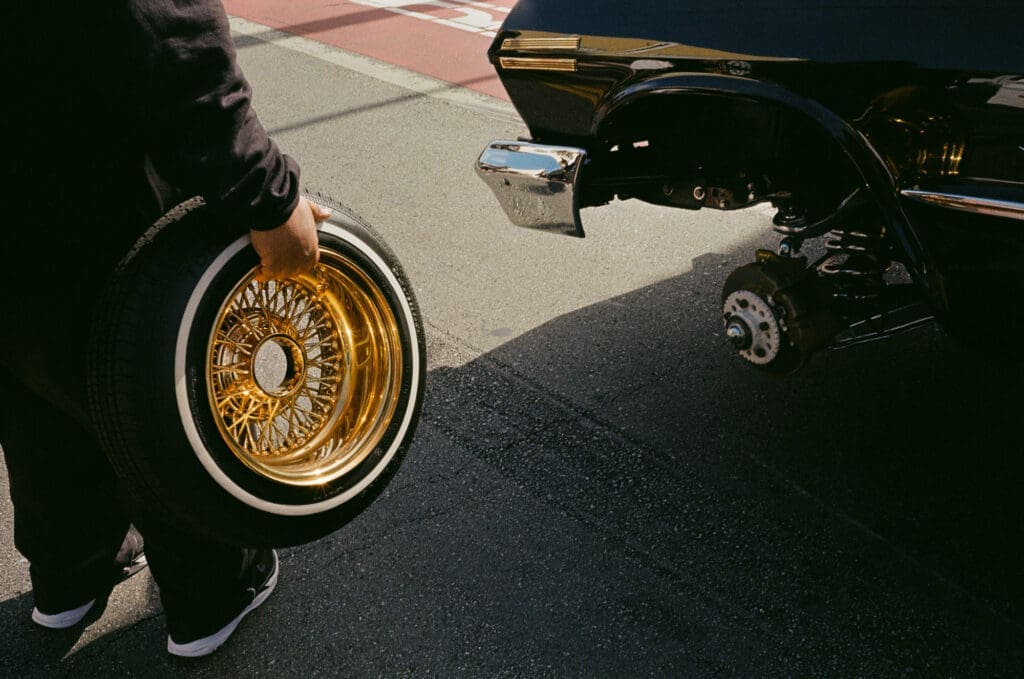
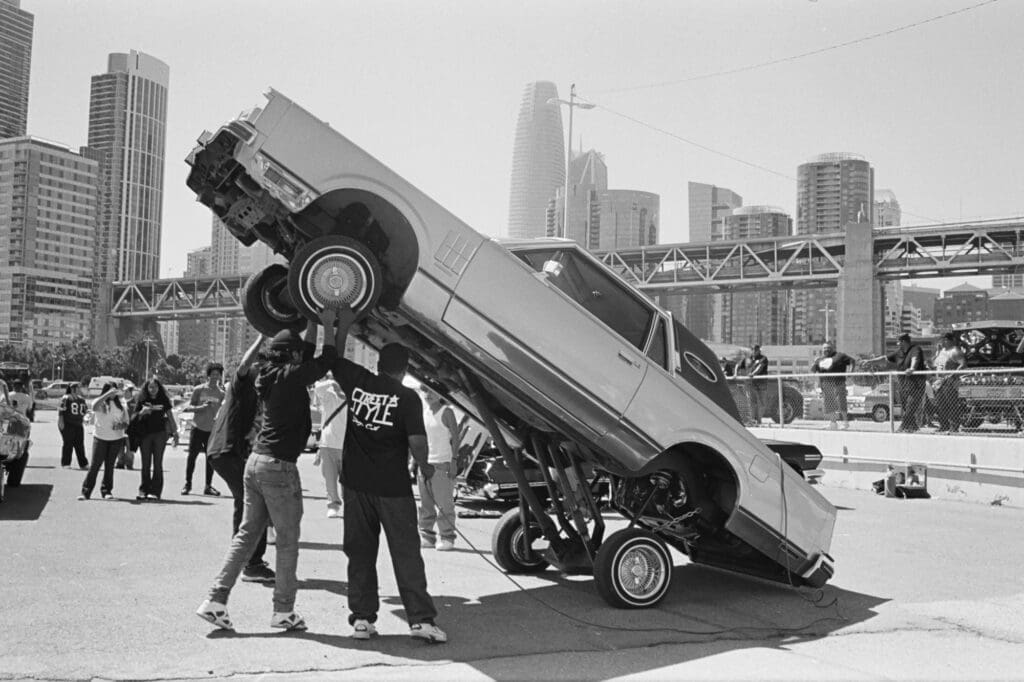

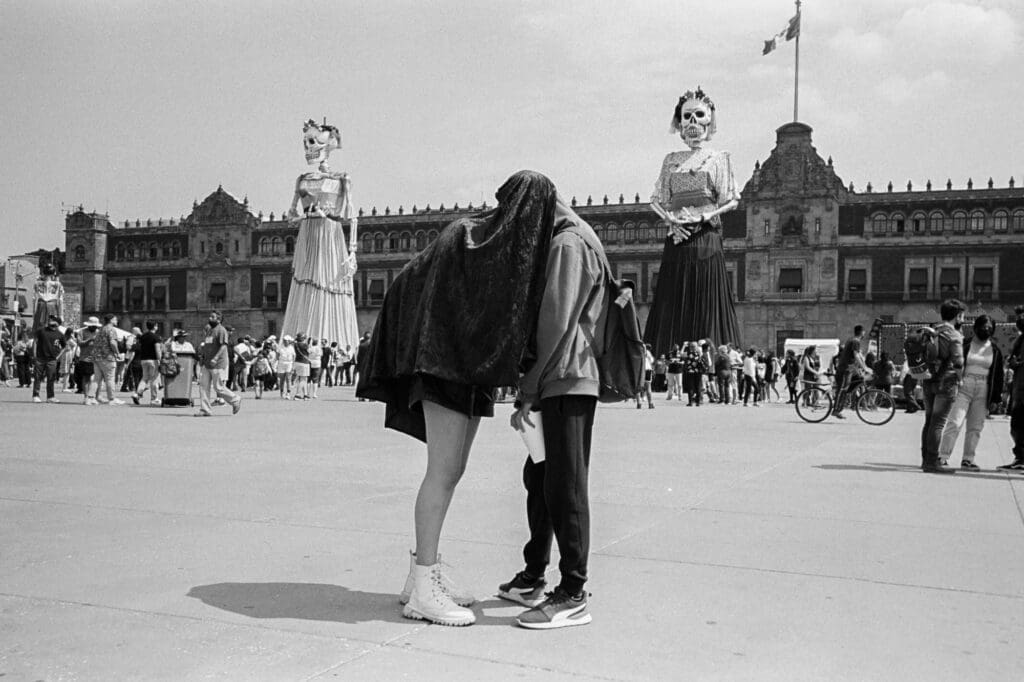




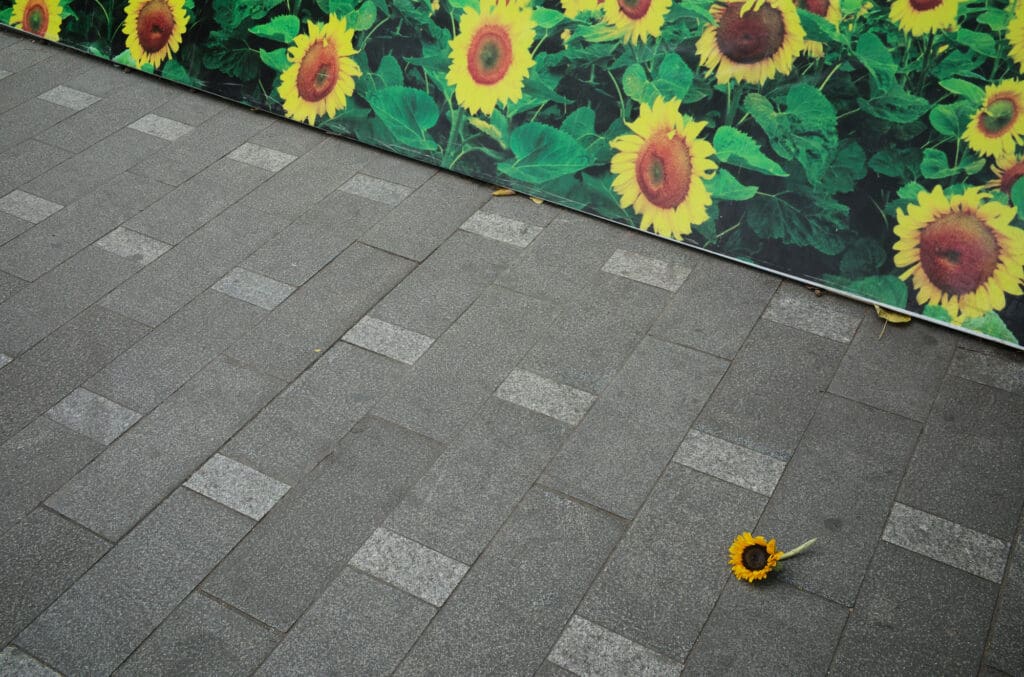
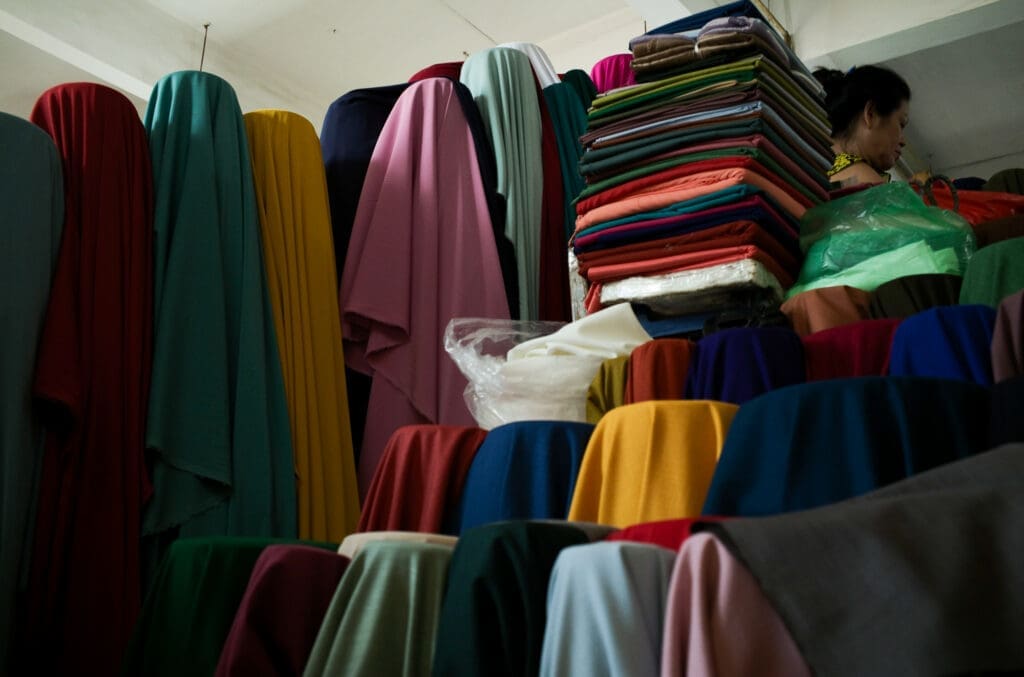




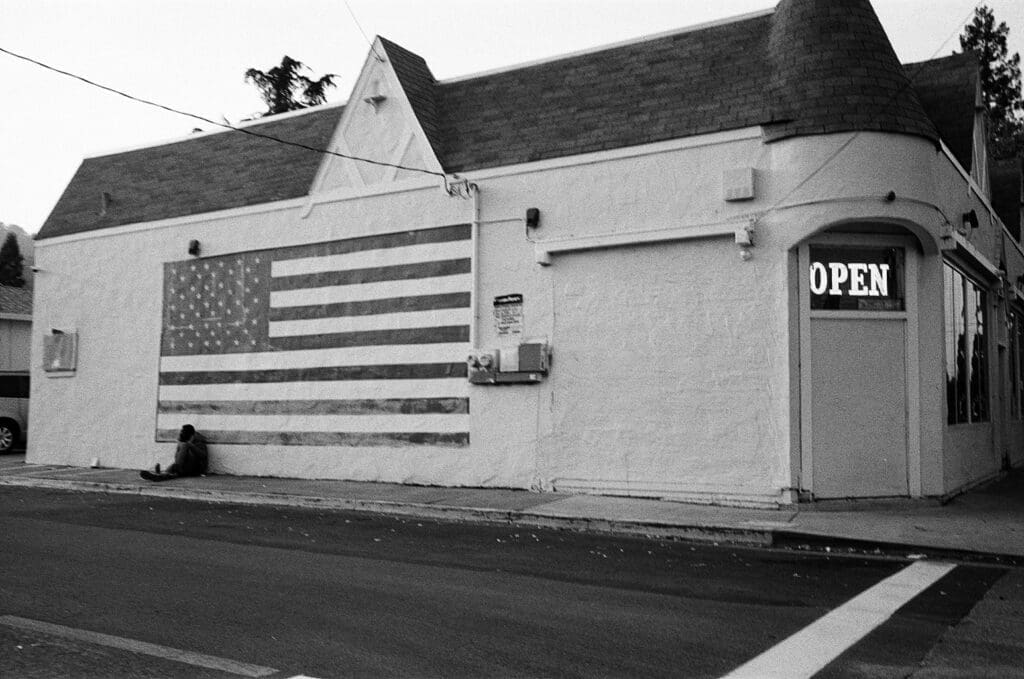
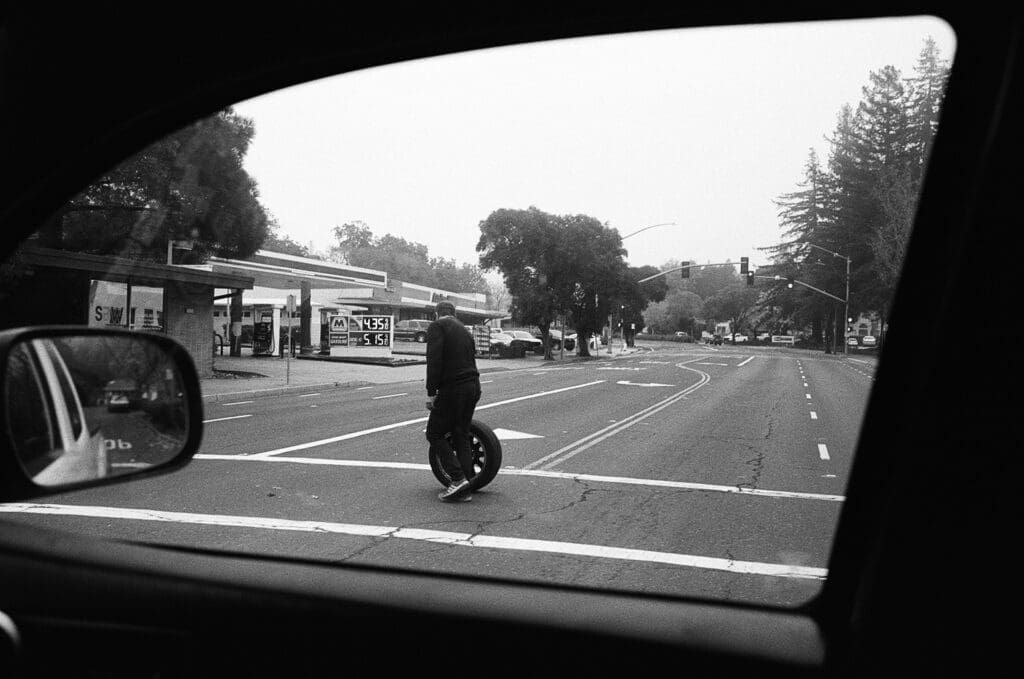
ASPH I – Joseph Latham @josephlatham






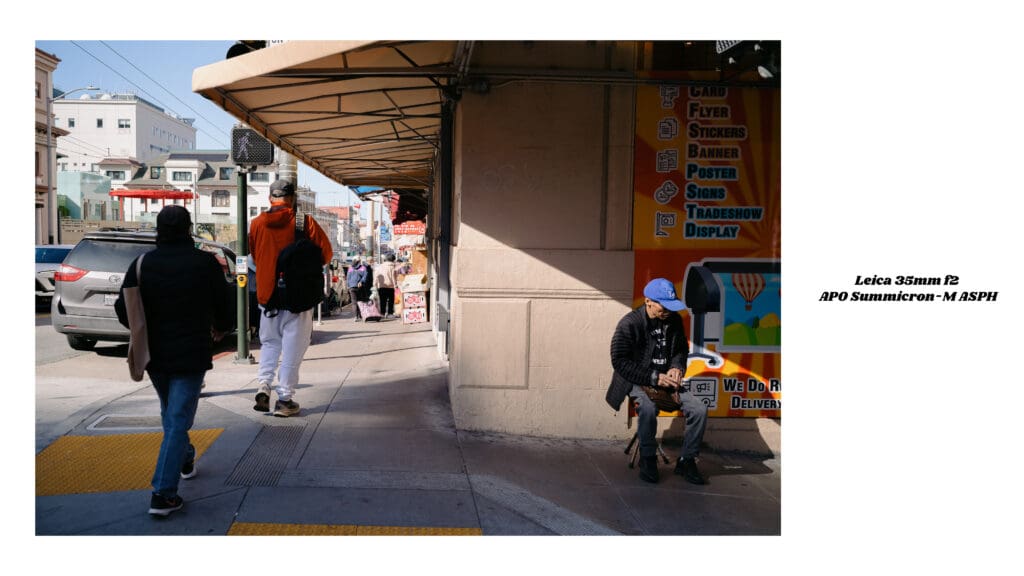
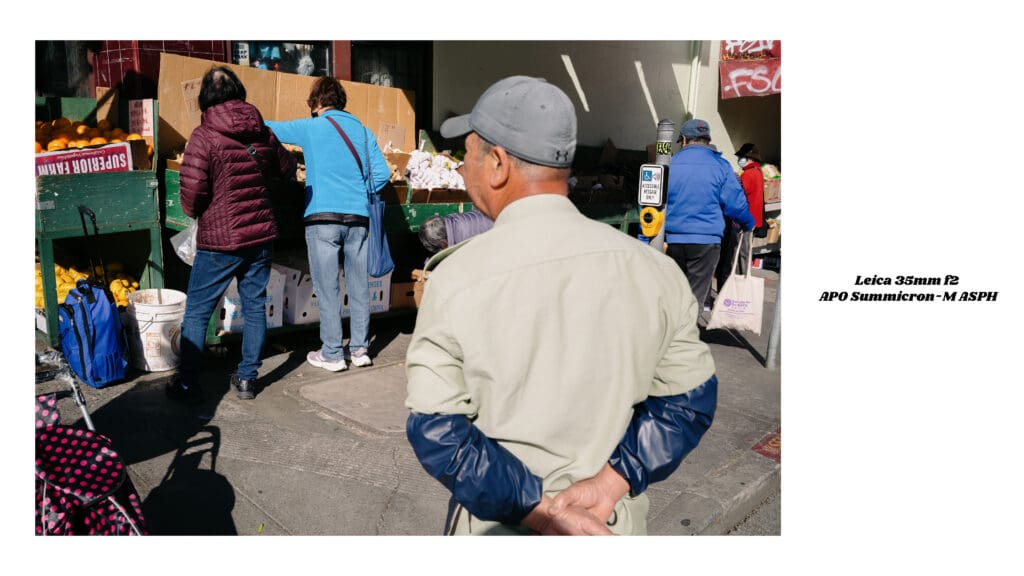
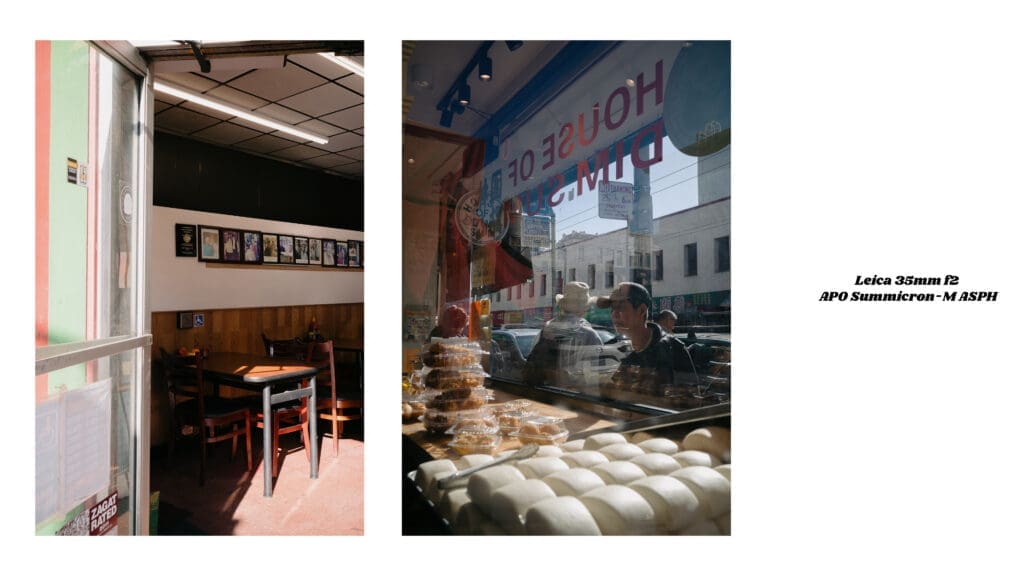
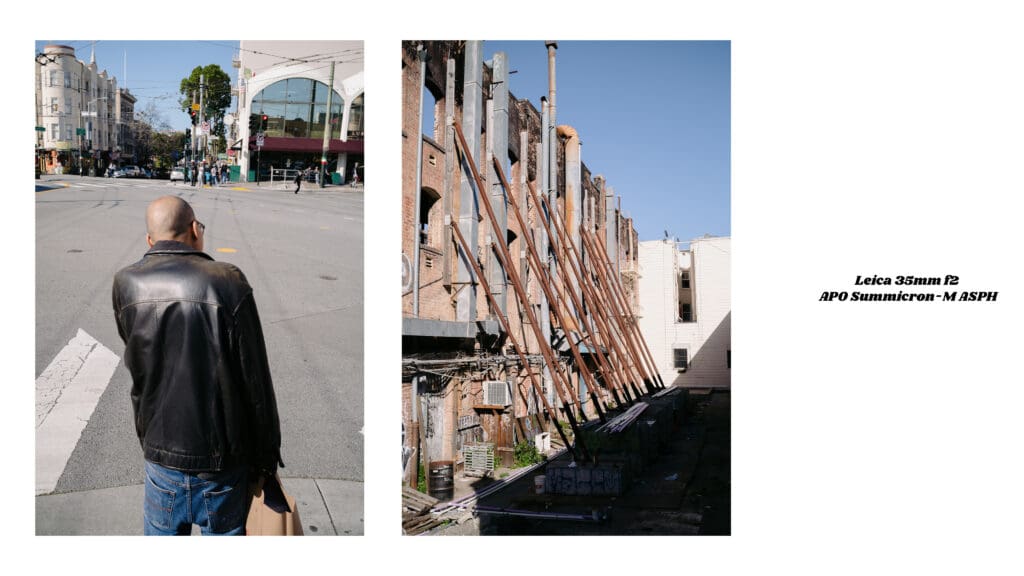
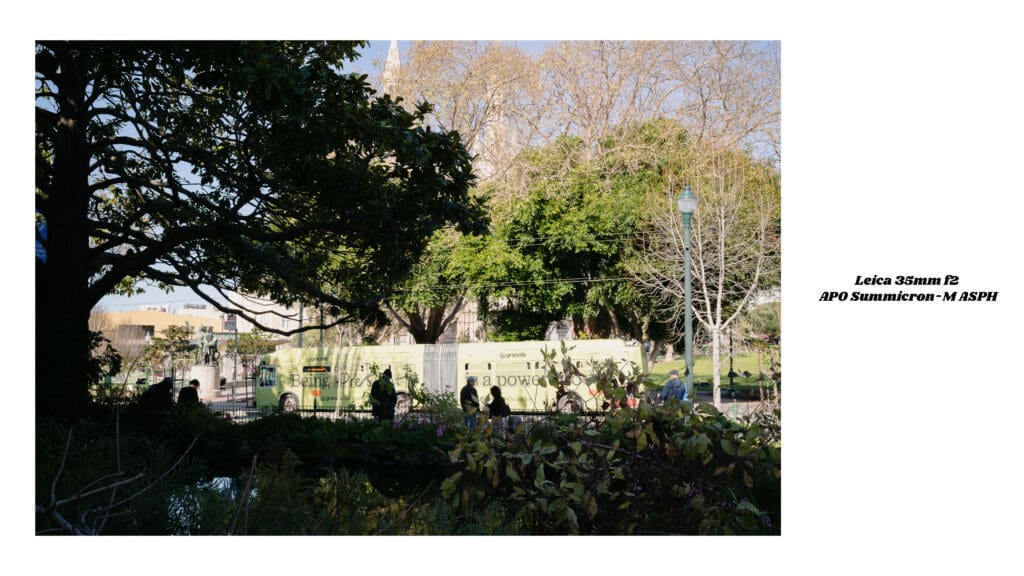
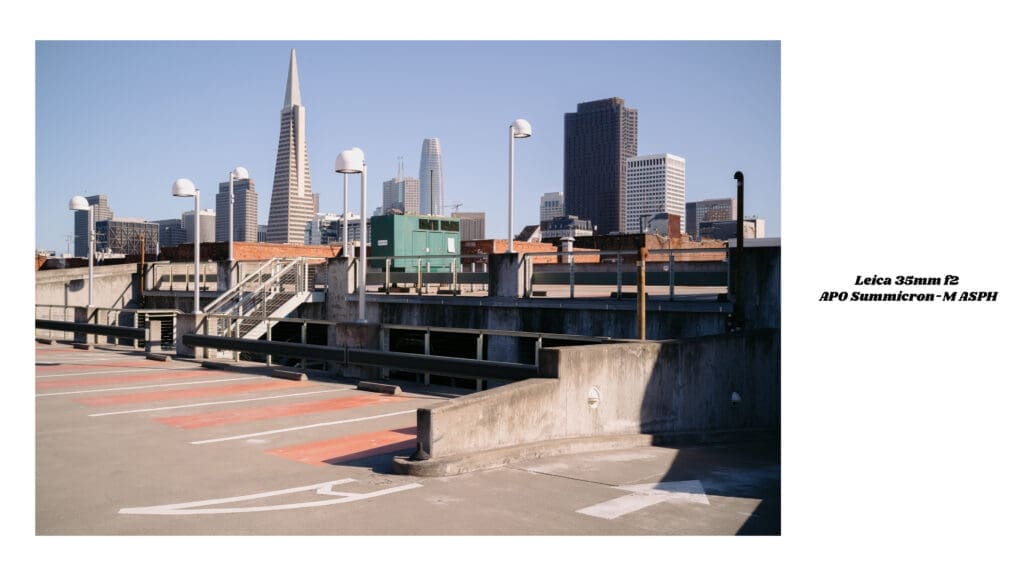
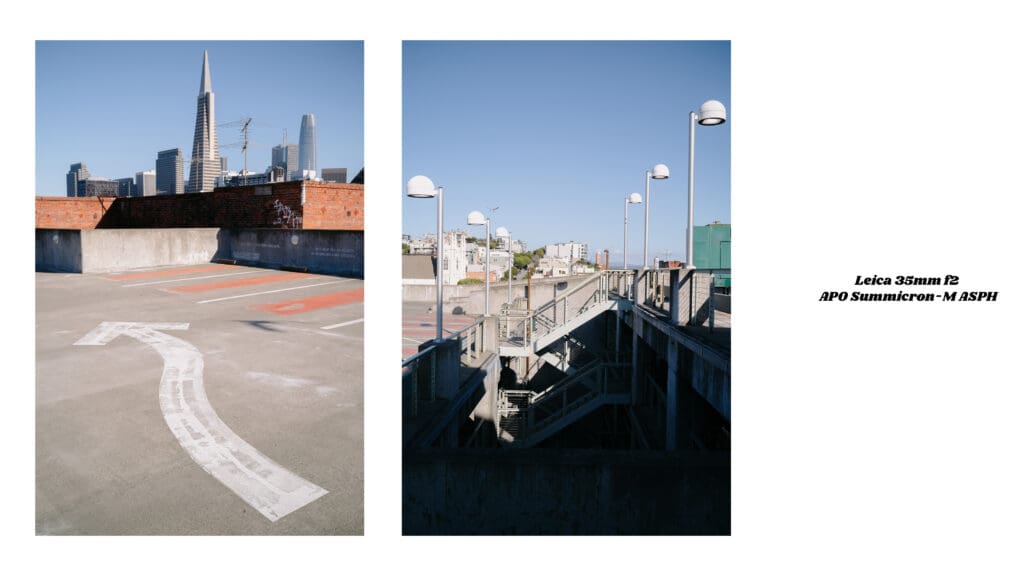
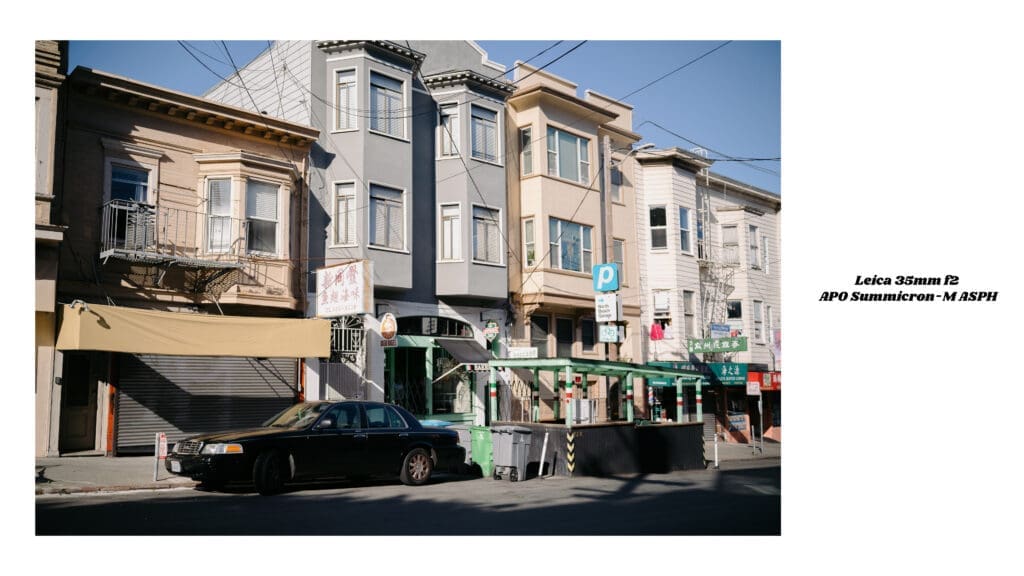
The 35mm f2 APO-Summicron-M ASPH [11699]: 2021 – Current
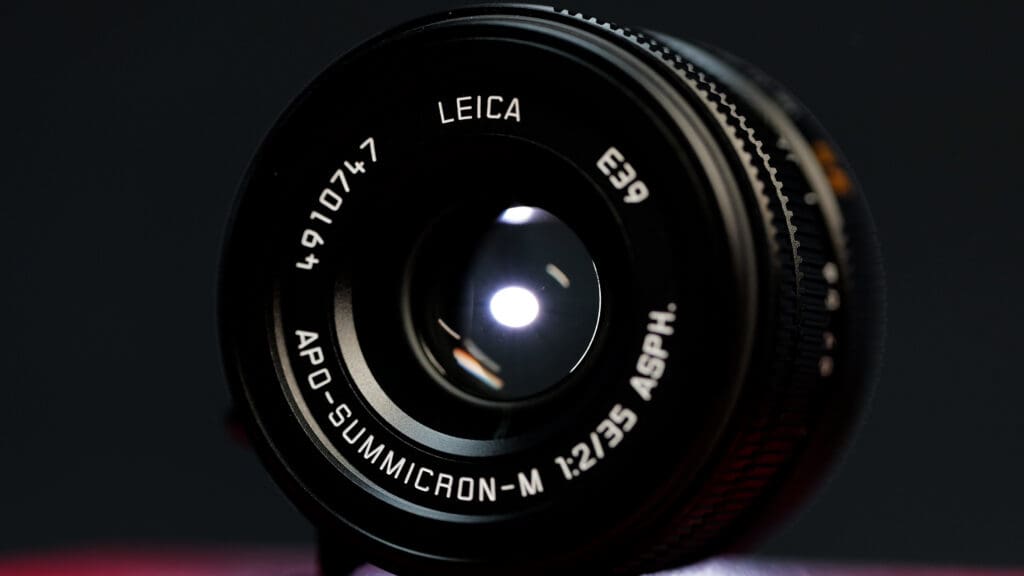
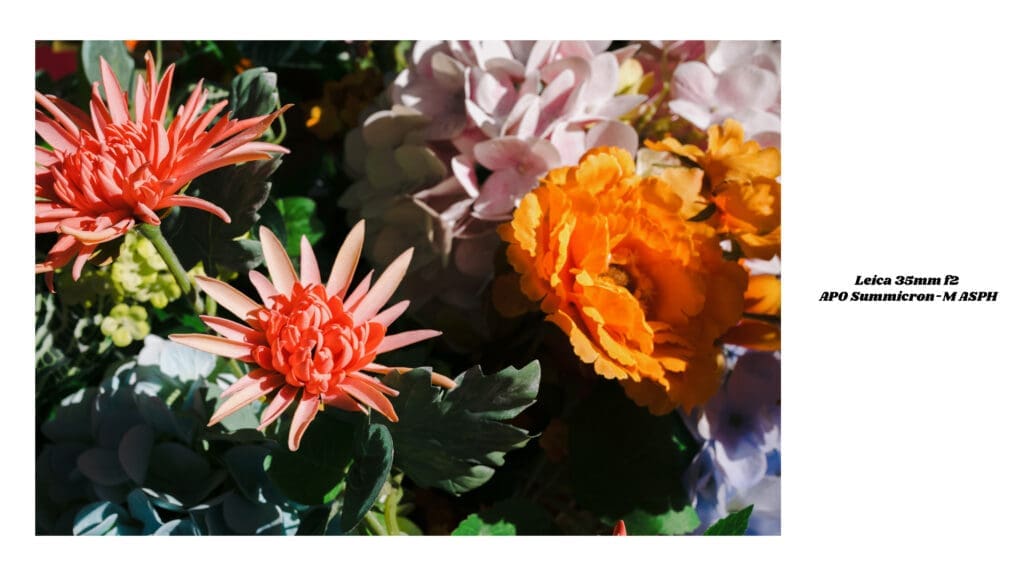
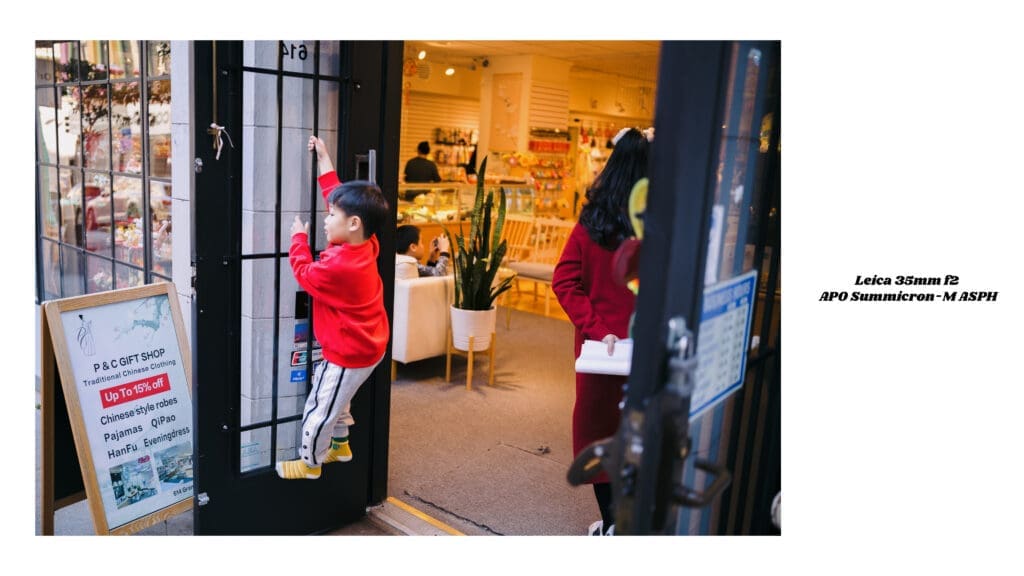
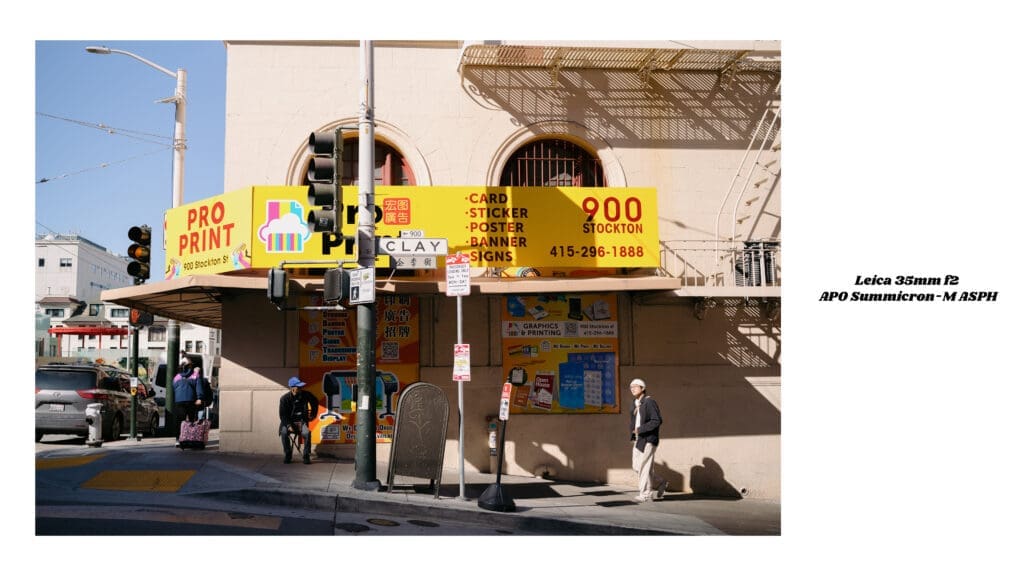
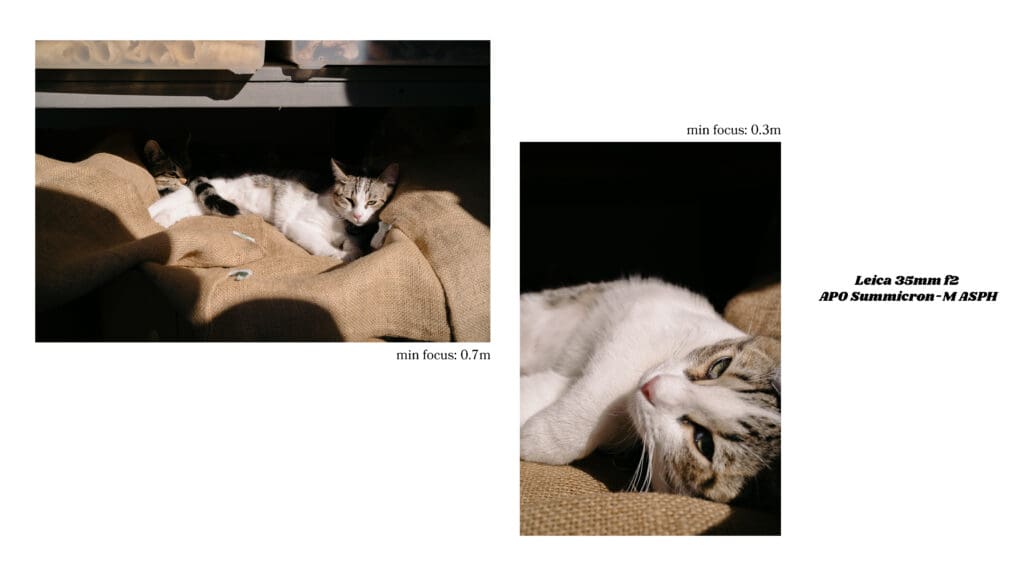
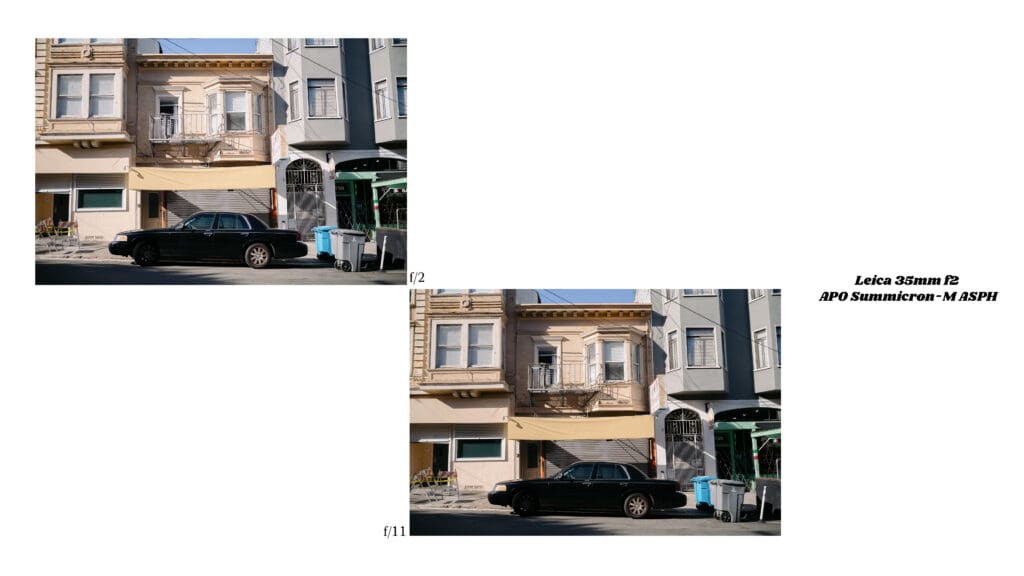
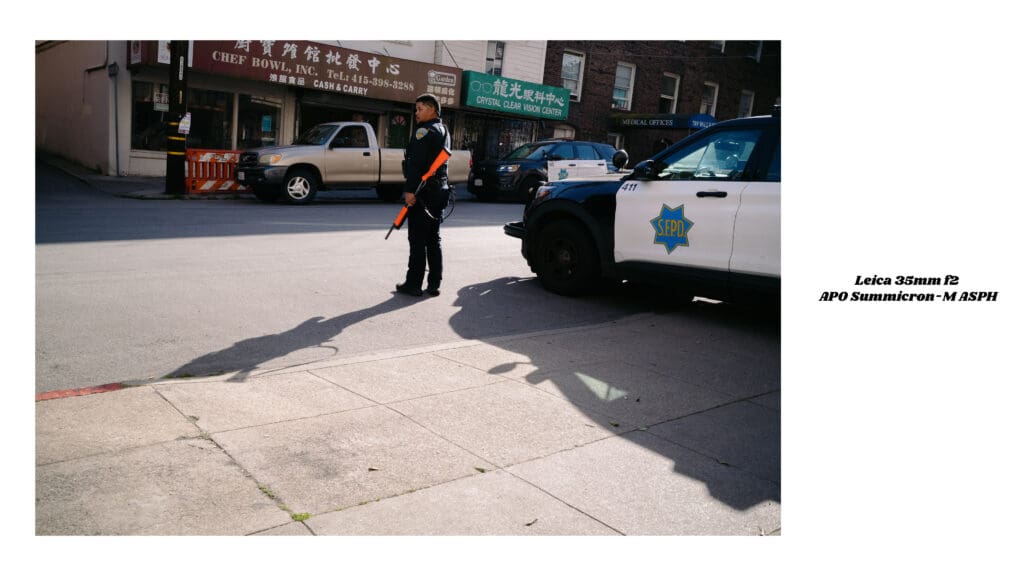
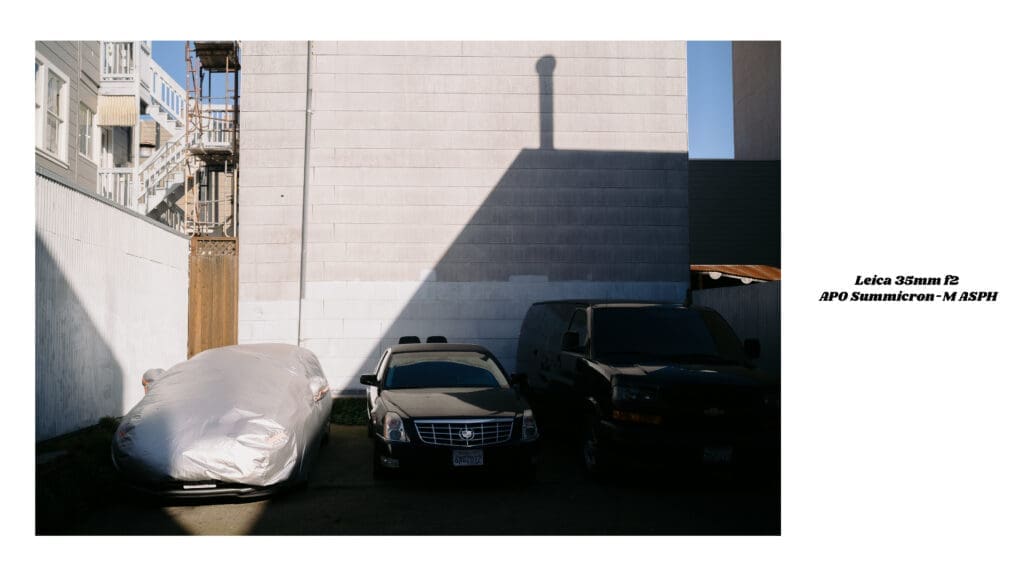
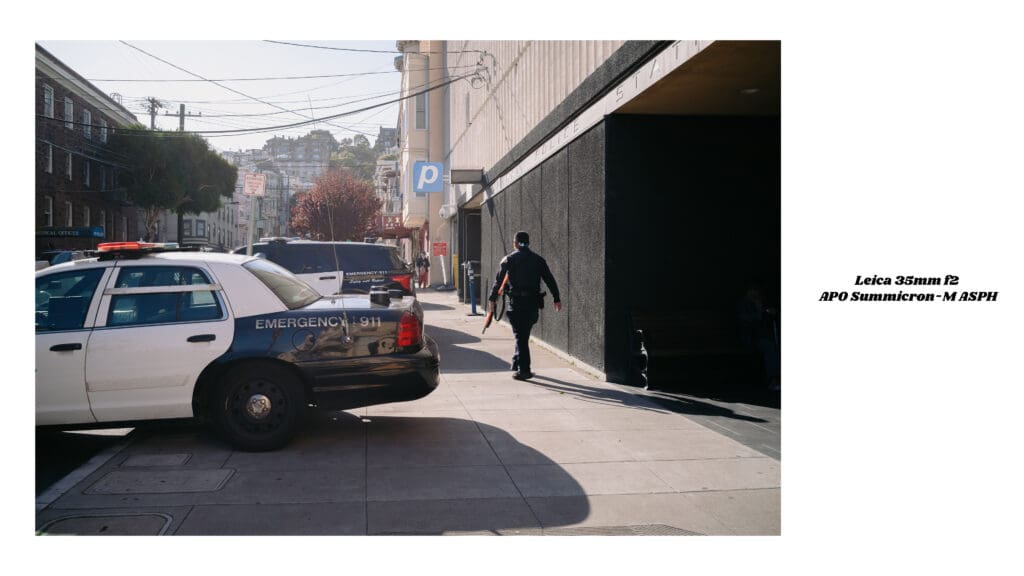
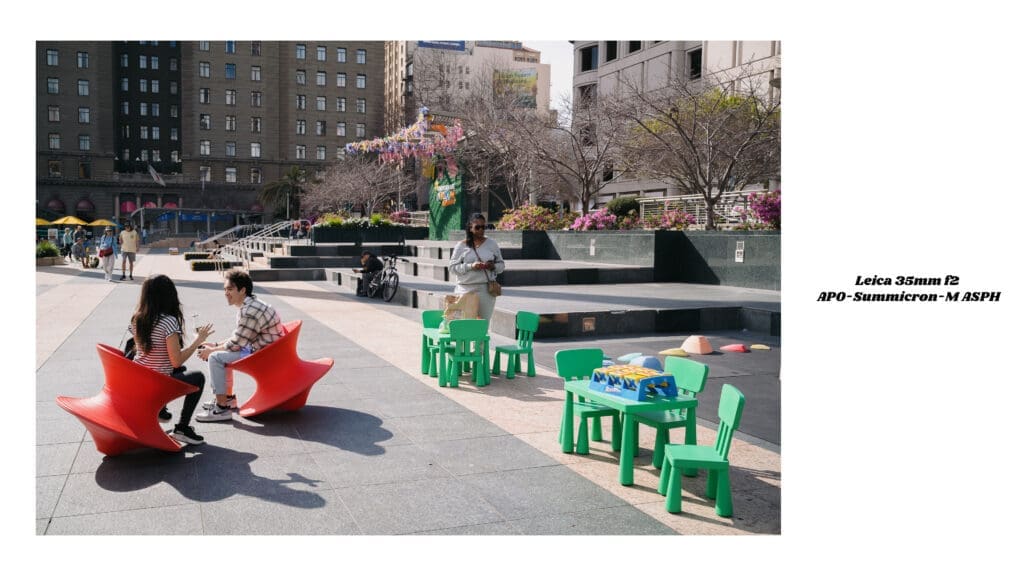
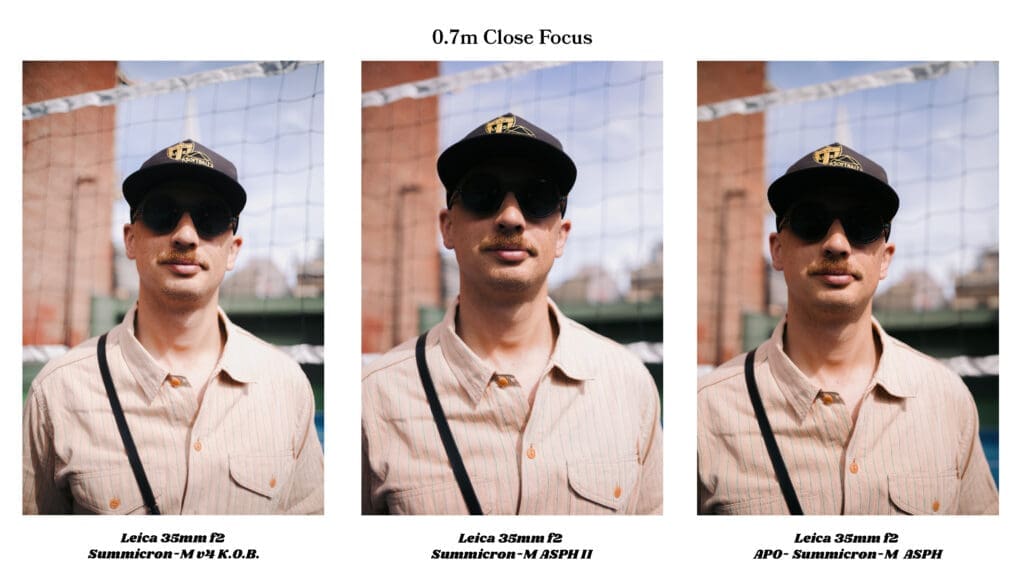
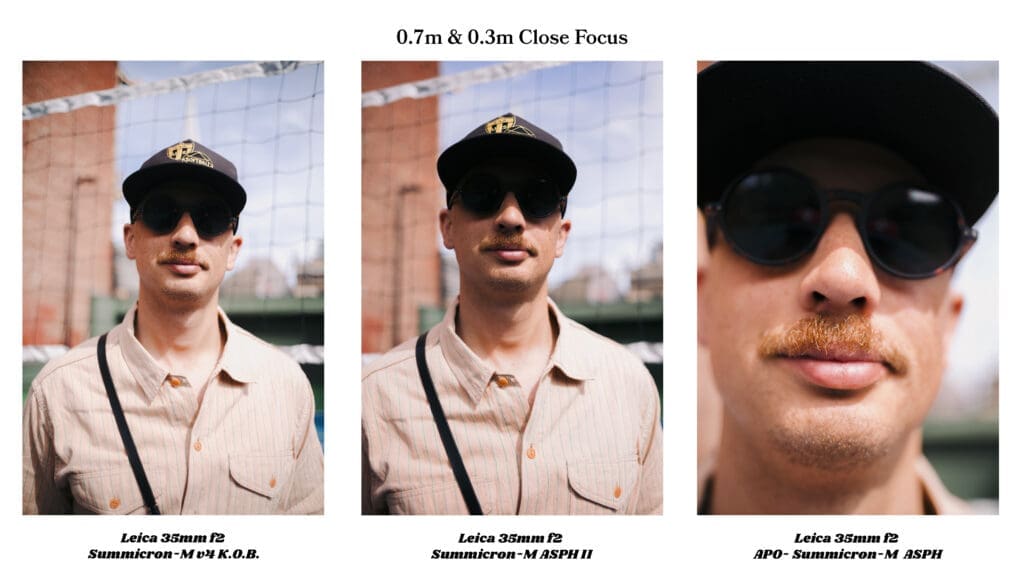
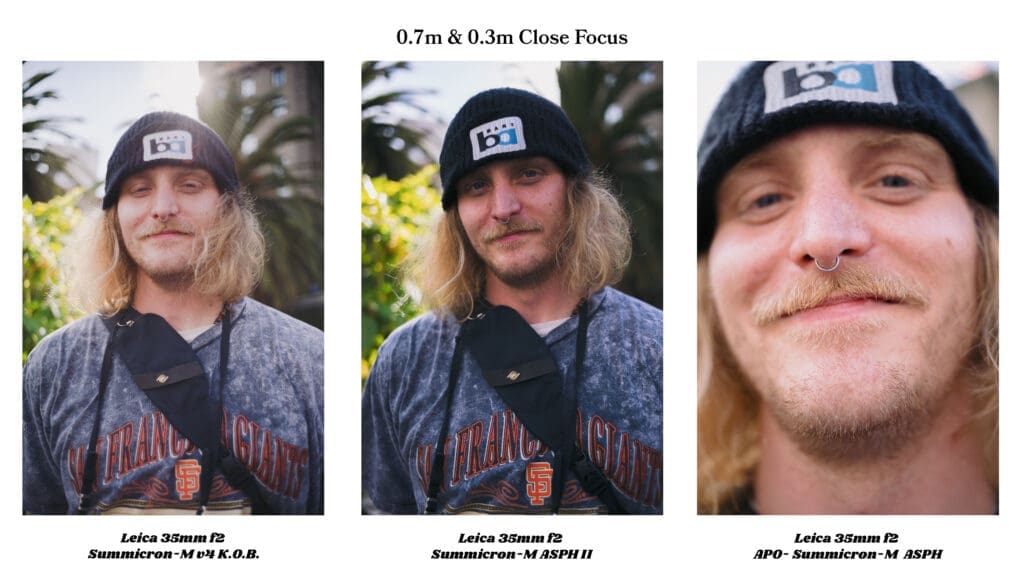
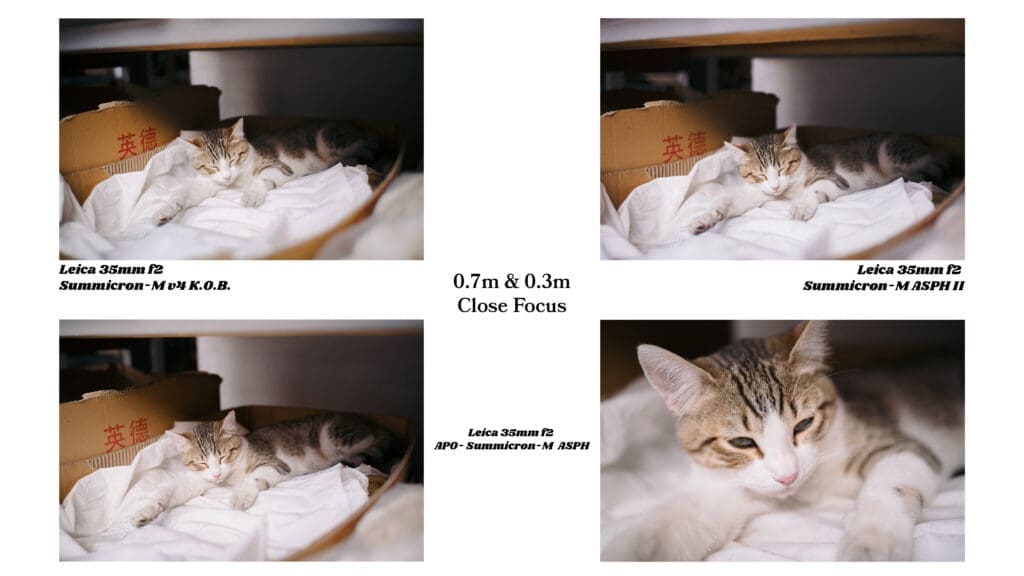
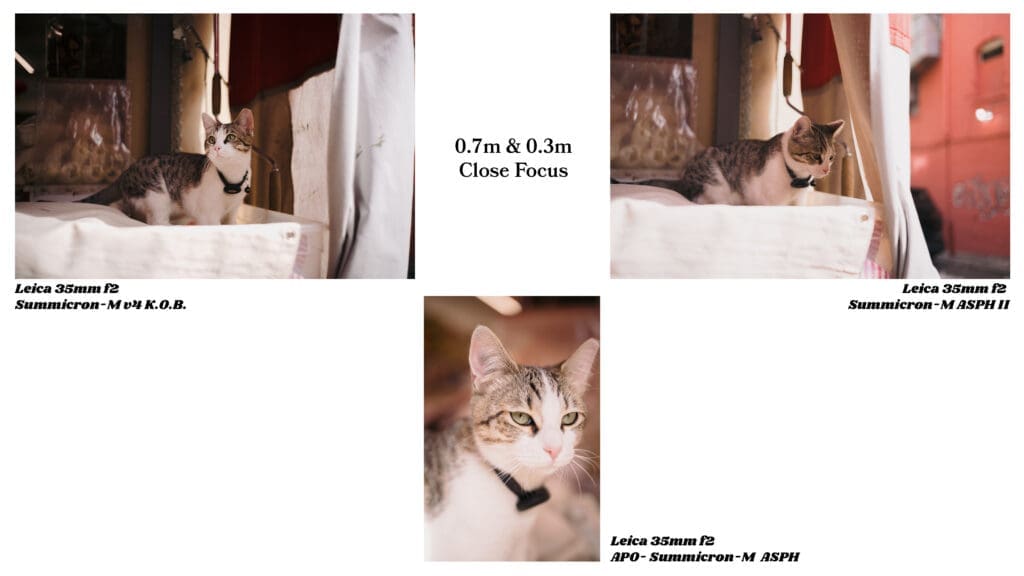
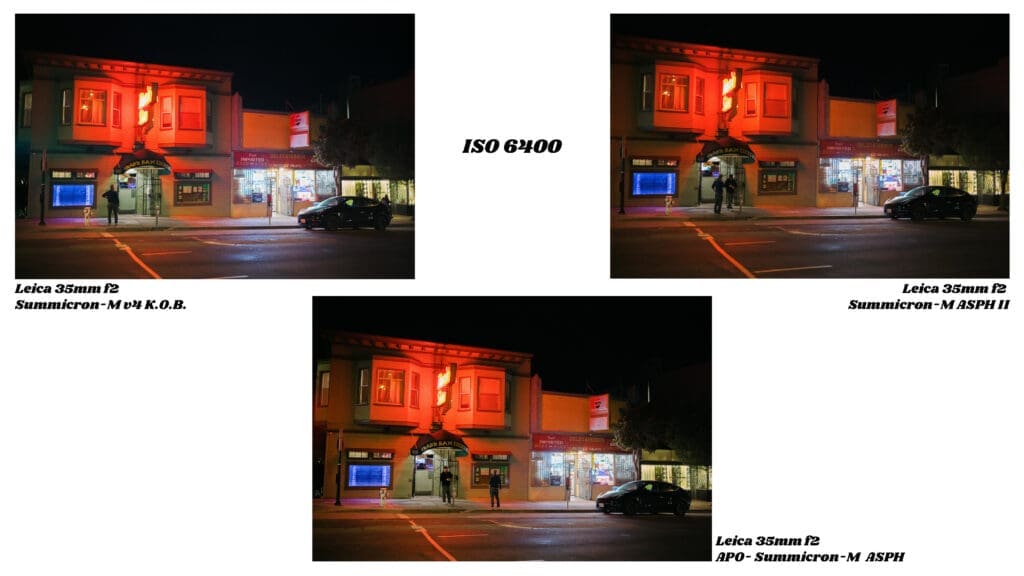
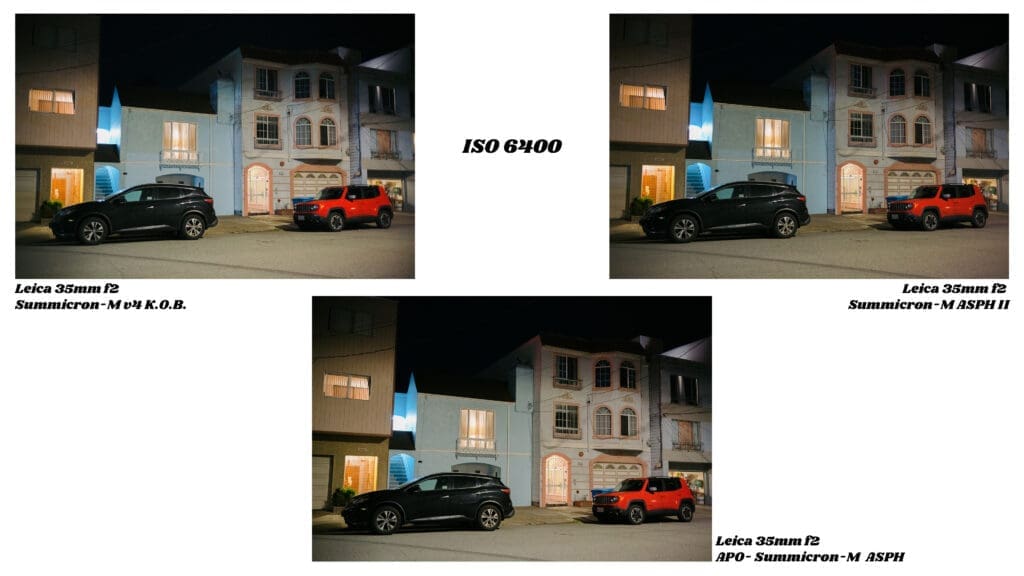
With the 35 Summicron-M ASPH going on a nearly a 20 year production run, where do you go from there? You add apochromatic corrections! This is one of Leica’s, if not, most complex lenses to date. Featuring a FLE, 3 ASPH elements, and a close focusing distance of 0.3m wrapped up in a compact lens design. Due to the apochromatic correction, the APO-Summicron-M achieves exceptional sharpness and imaging quality even with an open aperture, remaining free from color aberrations, even at high-contrast edges or under backlighting while the FLE maintains sharpness at closer distances.
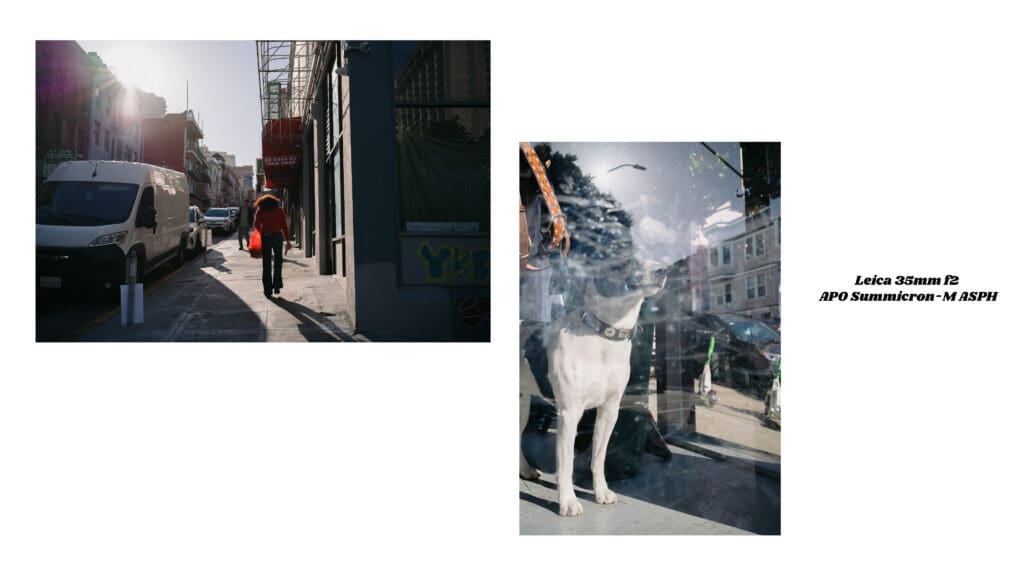
Thoughts/Comparison:
| Pros | Cons | |
| Summicron V4 “KOB” | – Compact and light. – Vintage rendering and character unique to Mandler era lenses – occasionally glows in the right lighting conditions. – Colors are soft and neutral. Similar to 40 Summicron-C. | – Vintage character can detract from image. – Over hype has inflated lens price and affordability. – Difficult to get a clean copy at a reasonable price. – Highlight retention not as refined as ASPH and APO. |
| Summicron-M ASPH | – Sharp and classic rendering. – Colors are neutral while having a slight pop in contrast. – Reliable and consistent results. Bokeh is smooth and consistent. | – Lens Character not as “special” or “flashy” as KOB. – Often overlooked/shadowed by other Leica optics. |
| APO-Summicron-M | – Best image quality of all the 35mm Leica lenses. Colors appear more vibrant due to APO corrections. – Images wide open retain detail in highlights and shadows. Shows off micro contrast and tonal range. – Little to no flaring. – Closer focus. | – Price. – Close focus cannot be used properly without live view or an EVF. |
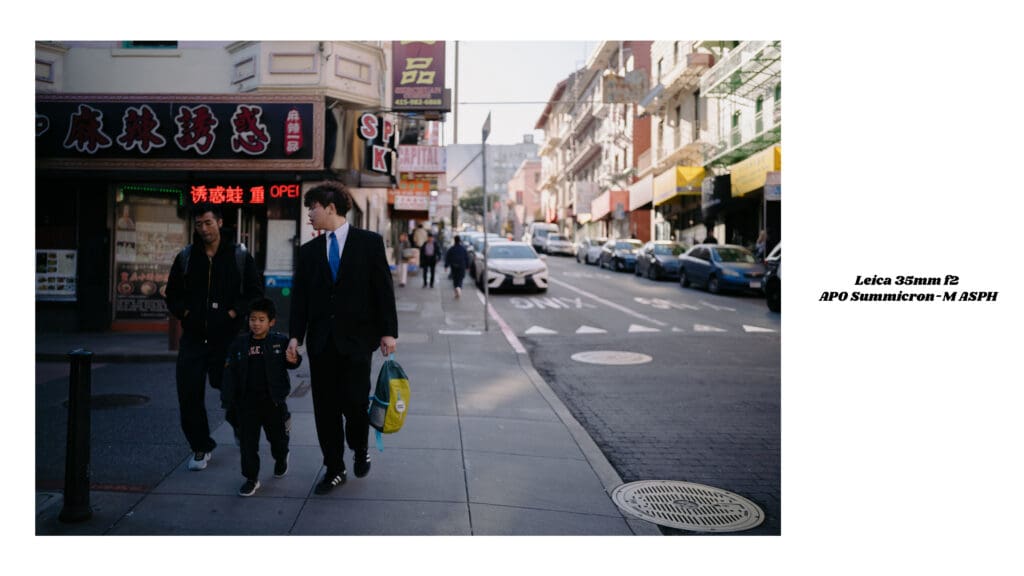
General Use
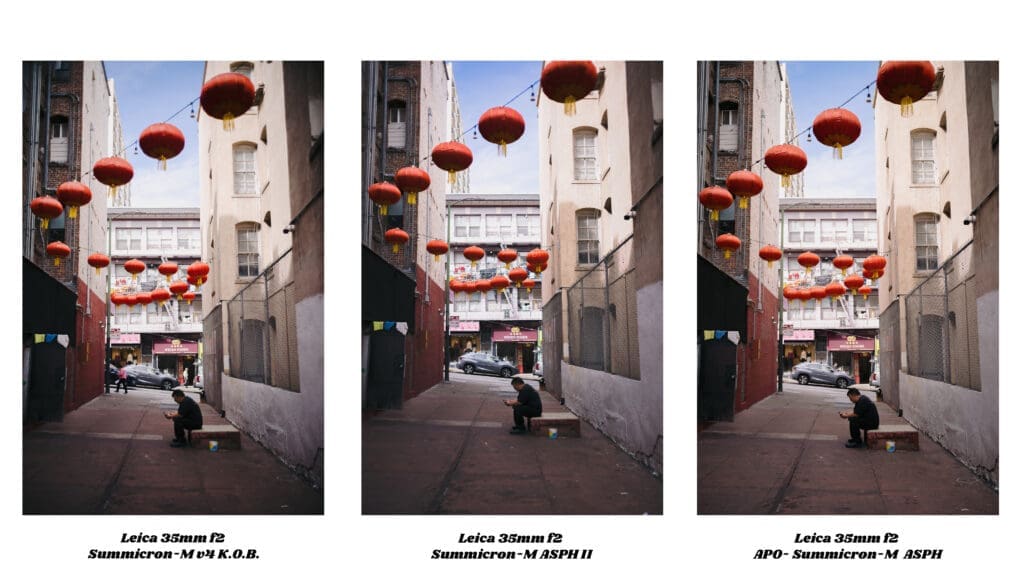
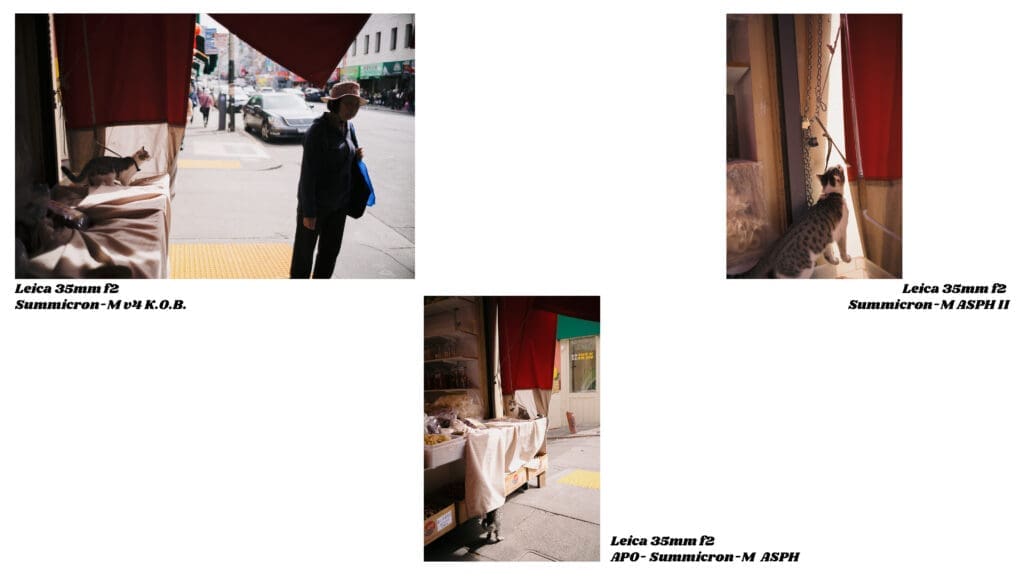
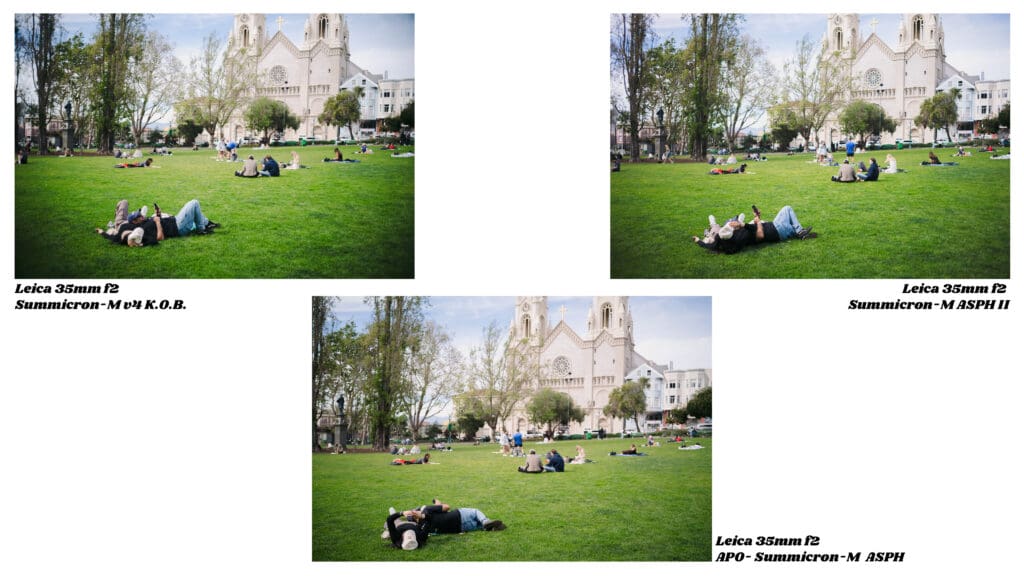
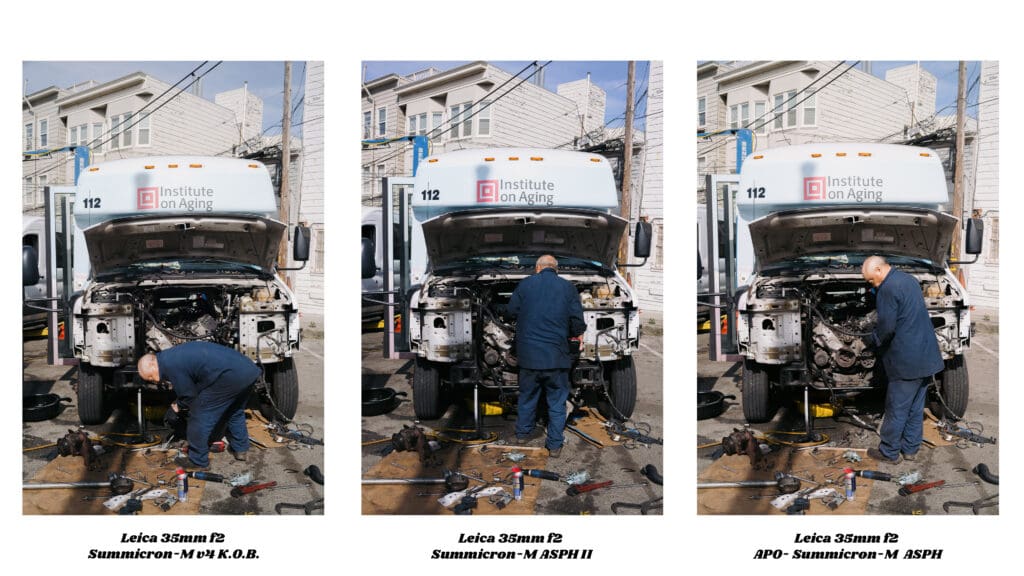

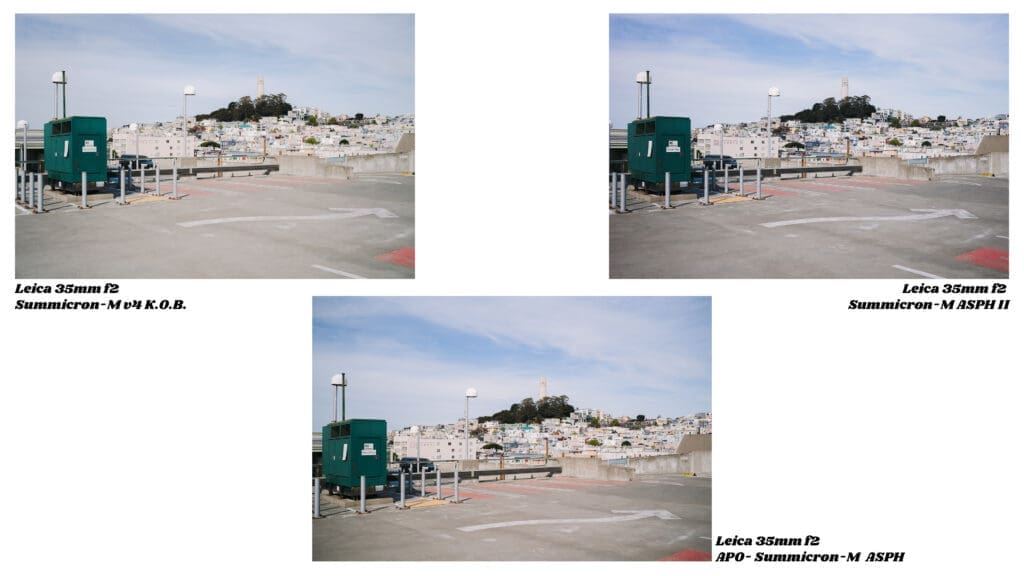
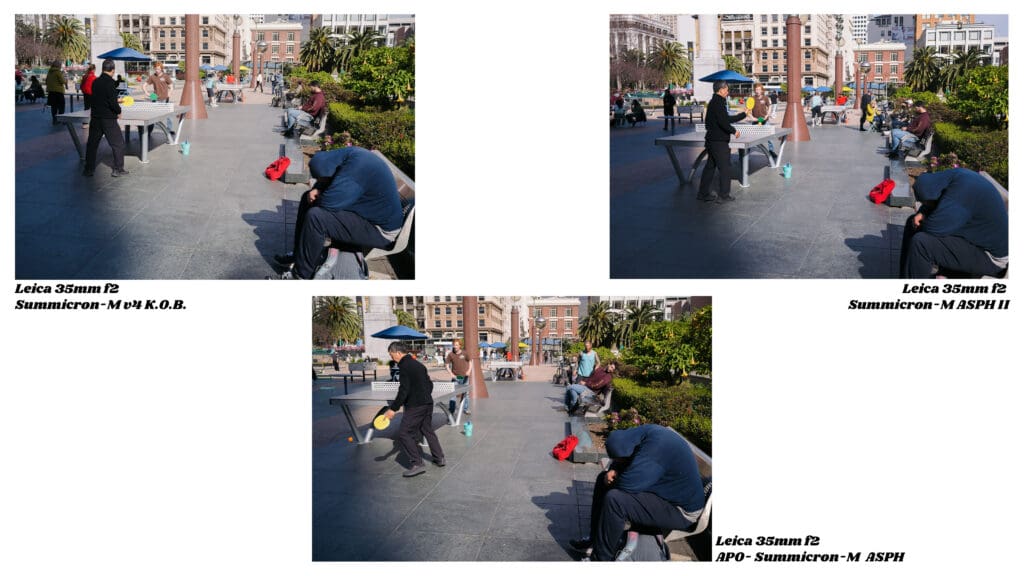
Character: Vintage & Modern

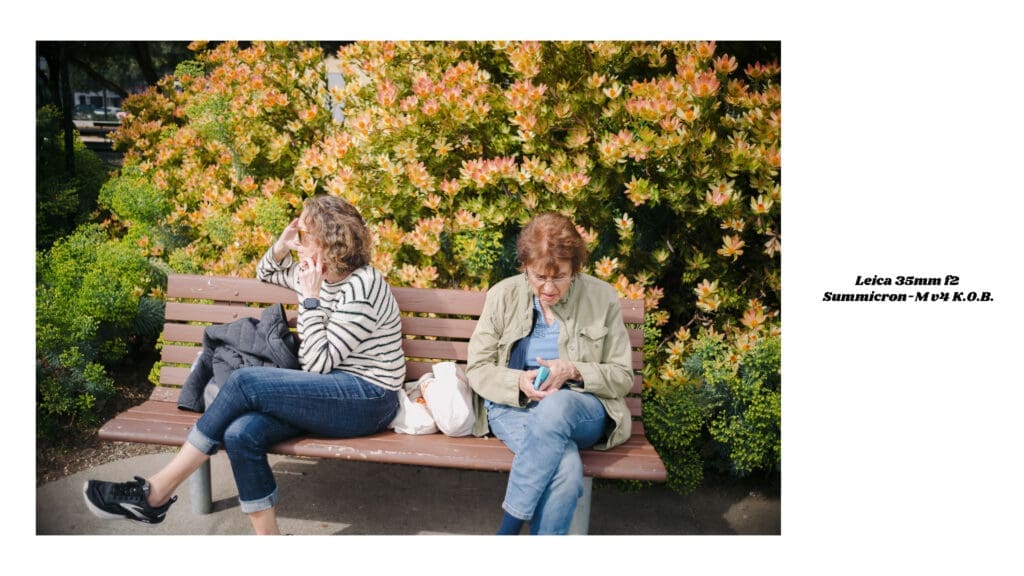

Close Focus
Low Light
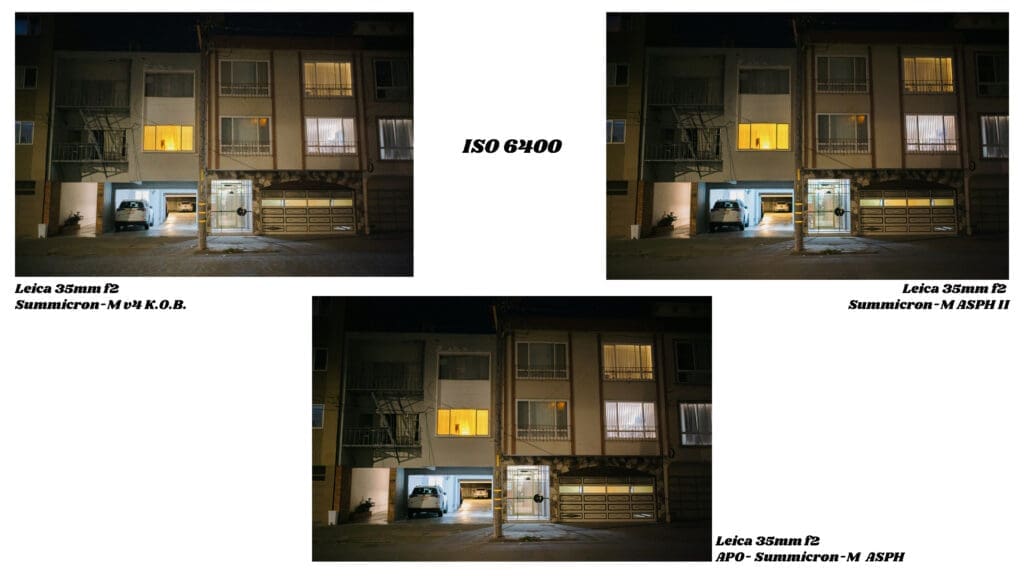
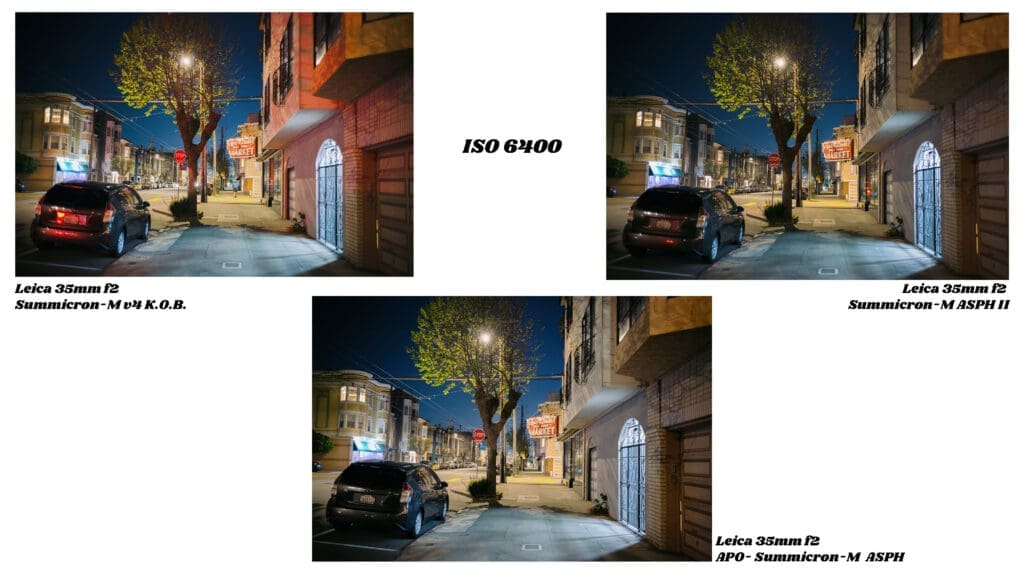
Which 35 Summicron is for you?
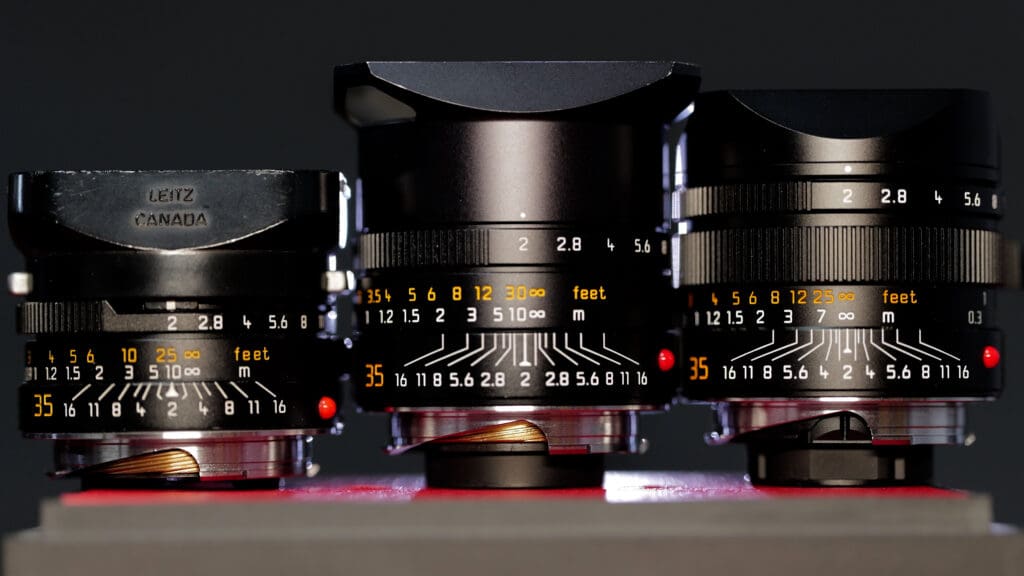
Each version of the Leica 35mm f2 Summicron offers their respective renderings, benefits, and drawbacks. The Leica 35mm f2 Summicron-M v4 is perfect for those seeking a compact optic with vintage character and wanting to embrace slight imperfections. The Leica 35mm f2 Summicron-M ASPH I & II offers consistency and is great for those who prioritize sharp, reliable results. The Leica 35mm f2 APO-Summicron-M ASPH is great for those who need a high resolving optic with outstanding image quality and micro contrast, while capturing the most detail for large scale printing or cropping. No matter which version of the Leica 35 f2 Summicron you reach for, you will not be dissapointed!
Special thank you to our friends Marcus and Joey for their support and sharing your insights on the Leica 35mm f2 Summicron-M ASPH I in today’s exploration. Additional thanks go to Dave and the folks at Very Good Co. for the short neck strap used in this episode. Stay tuned for more adventures in lens history, and let us know what you’d like to see next! Remember to like, comment, and subscribe for more episodes of Thumbprints & Signatures on Youtube.